What Is Inside a Portable Washing Machine?
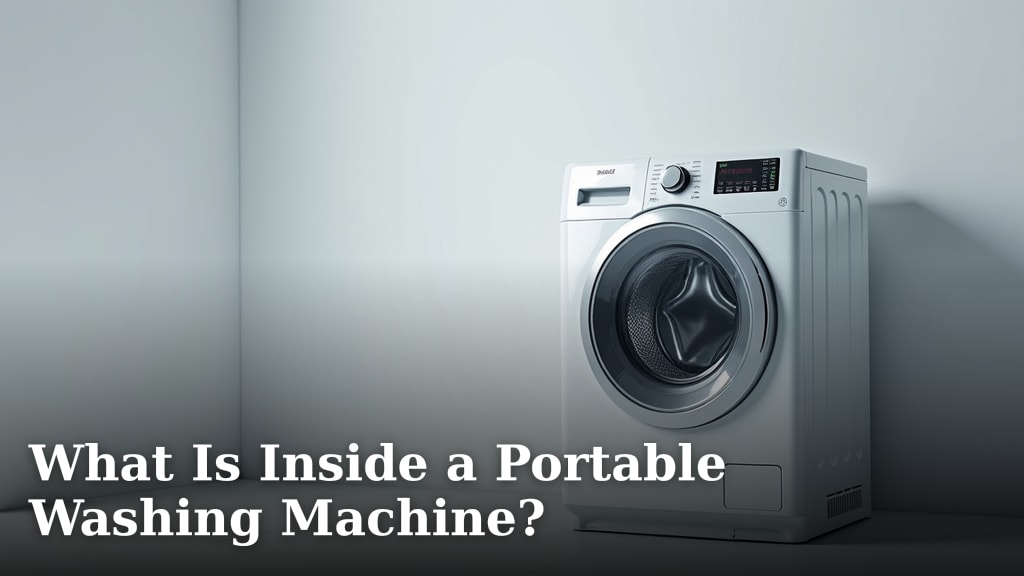
Inside a portable washing machine, you’ll find a drum for clothes, a motor to spin it, and a water inlet and outlet system. These machines are designed to mimic the basic functions of a larger washing machine but in a compact size. They typically include a water pump and drainage hose for easy water removal.
These handy appliances are built with simplicity in mind, making them a great choice for small living spaces or travel. You’ll also find controls for setting wash cycles and timers. Think of it as a miniature version of your home’s laundry setup, engineered for convenience and portability.
- Portable washing machines have a drum, motor, and water systems.
- They are designed for compact spaces and easy use.
- Key components include a water pump and drainage hose.
- Controls allow you to manage wash cycles and timing.
We’ve researched the inner workings of these convenient devices. Let’s break down exactly what makes them tick so you can better understand your portable laundry solution.
Inside Your Portable Washer: A Look at the Core Components
So, you’re curious about what actually makes your portable washing machine work, right? It’s not magic, just clever engineering packed into a small space. Let’s break down the essential parts you’ll find inside.
The Heart of the Operation: The Drum and Motor
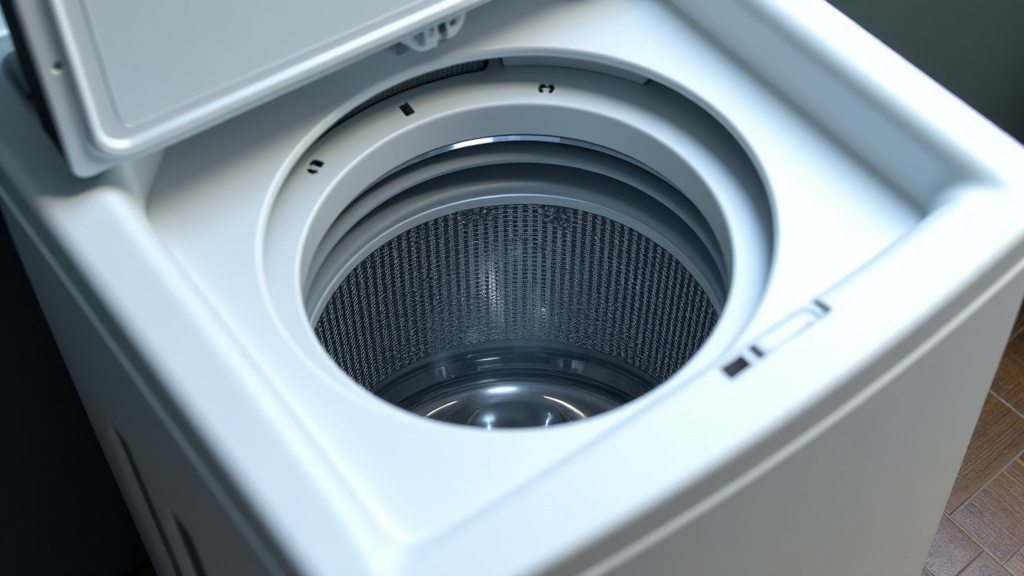
The most obvious part is the drum where your clothes go. This is usually a stainless steel or plastic tub. It’s perforated with holes to let water in and out. Surrounding this inner drum is an outer tub that holds the water during the wash cycle. Think of it like a bucket within a bucket.
Next up is the motor. This is the powerhouse that makes everything happen. It’s connected to the drum and is responsible for making it spin. The speed and power of the motor determine how well your clothes get agitated and cleaned. Many portable washers use a belt-driven motor, similar to older, full-sized machines.
Water In, Water Out: The Plumbing System
A portable washer needs a way to get water in and out, and this is handled by its unique plumbing. You’ll typically find a water inlet valve. This valve opens and closes to control the flow of water into the machine. It’s usually connected to your faucet via a hose.
Then there’s the water pump. This little gadget is super important for draining the dirty water. Once the wash or rinse cycle is done, the pump kicks in. It pushes the water out of the tub and through the drain hose. Without a working pump, you’d be left with a tub full of soggy clothes and dirty water.
The Drain Hose: Your Water’s Escape Route
The drain hose is the exit path for all that used water. It’s usually a flexible tube that you position over a sink or into a drain. The pump forces water through this hose to remove it from the machine. Ensuring this hose is properly placed is key to avoiding any accidental spills. We found that using a hose support can prevent it from slipping out of place.
Controlling the Wash: The Control Panel and Timer
Your portable washer isn’t just a box of spinning parts; it has a brain, too! The control panel is your command center. It usually has simple knobs or buttons for selecting wash cycles, water temperature, and spin speed. You’ll also find a timer here.
The timer is a vital component that dictates how long each part of the cycle runs. For instance, it tells the machine how long to agitate, how long to spin, and when to drain. Many timers are mechanical, making a distinct ticking sound as they count down. Some newer models might have electronic timers for more precise control.
Simple Cycles for Simple Needs
Don’t expect a dozen fancy wash cycles on a portable machine. They are designed for simplicity. You’ll usually find a “Wash” setting and a “Spin” setting. Some might offer a “Delicate” or “Normal” option. The focus is on getting the job done efficiently without overwhelming you with choices.
The Frame and Casing: Holding It All Together
Everything we’ve talked about needs to be housed securely. The frame provides the sturdy structure for the machine. It supports the weight of the drum, motor, and water. The outer casing, usually made of plastic, protects these internal components. It also gives the machine its finished look and helps keep noise down.
The casing is designed to be lightweight and durable. This is crucial for a machine that’s meant to be moved. You’ll often find handles or molded grips to make carrying it easier. Think of the casing as the machine’s protective shell, keeping its inner workings safe and sound.
Beyond the Basics: What Else Might Be Inside?
Depending on the model, your portable washer might have a few other components. Some machines include a small built-in water heater, though most rely on your home’s hot water supply. Others might have a detachable spinner basket, which you can use to remove excess water after washing.
We found that models with a separate spinner are often very effective at removing water, leading to faster drying times. These are a great feature if you’re looking for maximum convenience. Some even come with small detergent dispensers, though many users find it just as easy to add detergent directly.
A Quick Checklist for Your Portable Washer’s Components
Let’s recap the main things you’ll find when you peek inside your portable washing machine:
- The Drum: Where your clothes get clean.
- The Motor: The engine that powers the spin.
- The Water Pump: For efficient draining.
- The Drain Hose: The exit for used water.
- The Control Panel & Timer: Your interface for starting washes.
- The Outer Casing: Keeping everything protected and portable.
How These Parts Work Together for Your Laundry Needs
So, how do all these parts cooperate? It’s a pretty straightforward process. You load your clothes and add detergent. Then, you connect the water hose and select your cycle. When you start the machine, the motor engages the drum to agitate your clothes in the water.
After the wash, the water pump activates. It draws the dirty water from the tub and sends it out through the drain hose. If your machine has a spin cycle, the motor will then spin the drum at a high speed. This forces much of the remaining water out of your clothes through the drum’s perforations.
Many portable washers are designed to be quite efficient with water usage. They often use less water than a standard washing machine. This is a big plus for smaller living spaces or when you’re camping. We found that the simplicity of these machines means fewer parts that can break down, leading to greater reliability.
| Component | Function | Typical Location |
|---|---|---|
| Drum | Holds clothes, rotates during wash/spin | Center of the machine |
| Motor | Powers drum rotation | Usually at the bottom, connected via belt or direct drive |
| Water Pump | Removes dirty water from the tub | Typically at the bottom, connected to drain hose |
| Control Panel | Sets wash cycles, timers, and settings | On the top or front of the machine |
| Drain Hose | Channels water out of the machine | Connected to the pump, extends to drain point |
Understanding these components can help you troubleshoot minor issues or simply appreciate the ingenuity behind your compact laundry solution. It’s reassuring to know exactly what’s working to get your clothes clean, wherever you are. Understanding these components can help you better estimate how long a portable washing machine last.
Conclusion
You now have a clear picture of what makes your portable washing machine work. It’s a smart, compact design with essential parts like the drum, motor, and a reliable water pump and drain hose system. These components work together efficiently to handle your laundry needs without taking up much space. Understanding these parts can help you appreciate its convenience and troubleshoot simple issues. Ready to make laundry day even easier? Consider where you’ll place your portable washer to make setup and drainage as smooth as possible.
Frequently Asked Questions
Do portable washing machines need a special water hookup?
No, most portable washing machines don’t require a permanent water hookup. They typically connect to your regular faucet using an adapter and a hose. We found this makes them very easy to set up and disconnect when not in use.
Can a portable washer handle a lot of laundry at once?
Portable washers are designed for smaller loads. While they are efficient, they won’t hold as many clothes as a full-sized machine. It’s best to wash smaller batches to ensure proper cleaning and avoid overworking the motor.
How does the spin cycle work in a portable washer?
The spin cycle uses the same motor that agitates your clothes, but it spins the drum at a much higher speed. This centrifugal force pushes water out of your clothes through the holes in the drum. We found that many models have a separate spin basket for more effective water removal.
Are portable washing machines noisy?
They can produce some noise, especially during the spin cycle, but generally less than larger machines. The outer casing helps to dampen the sound. You might hear the motor running and the water pump, but it’s usually manageable.
What kind of maintenance do these machines typically need?
Maintenance is usually straightforward. You’ll want to wipe down the exterior regularly and ensure the drain hose is clear of debris. Periodically checking the water inlet hose for any wear is also a good idea. We found that keeping the machine clean helps it last longer.