What Is an Impeller Portable Washing Machine?
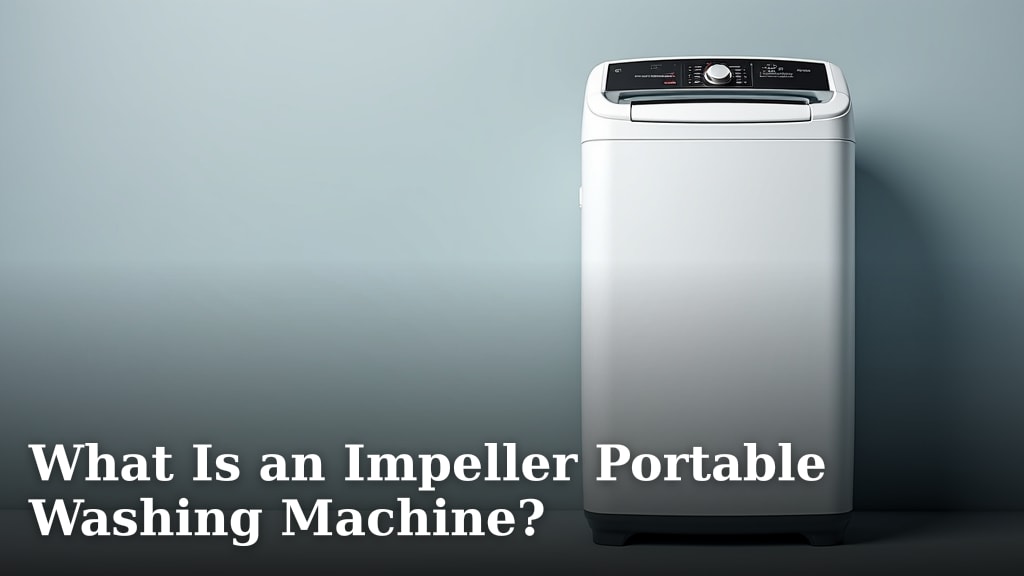
An impeller portable washing machine is a compact device that uses a spinning disc, or impeller, at the bottom to create water currents. These currents help agitate your clothes for cleaning. They are often used for small loads and are great for apartments, RVs, or dorm rooms.
Unlike traditional washing machines, these units usually involve more manual steps. You’ll often need to fill them with water yourself and drain them afterward. They offer a convenient way to wash small numbers of items without needing a full-sized appliance. Many models are designed for easy storage, making them a smart choice for limited spaces.
- An impeller washing machine cleans clothes using a spinning disc.
- It’s ideal for small laundry loads.
- Perfect for small living spaces like apartments or RVs.
- Requires manual filling and draining of water.
- Offers a space-saving solution for basic washing needs.
Ready to learn more about how these handy machines work and what they can do for you? Let’s dive into the details of impeller portable washing machines.
Understanding How Impeller Portable Washers Work
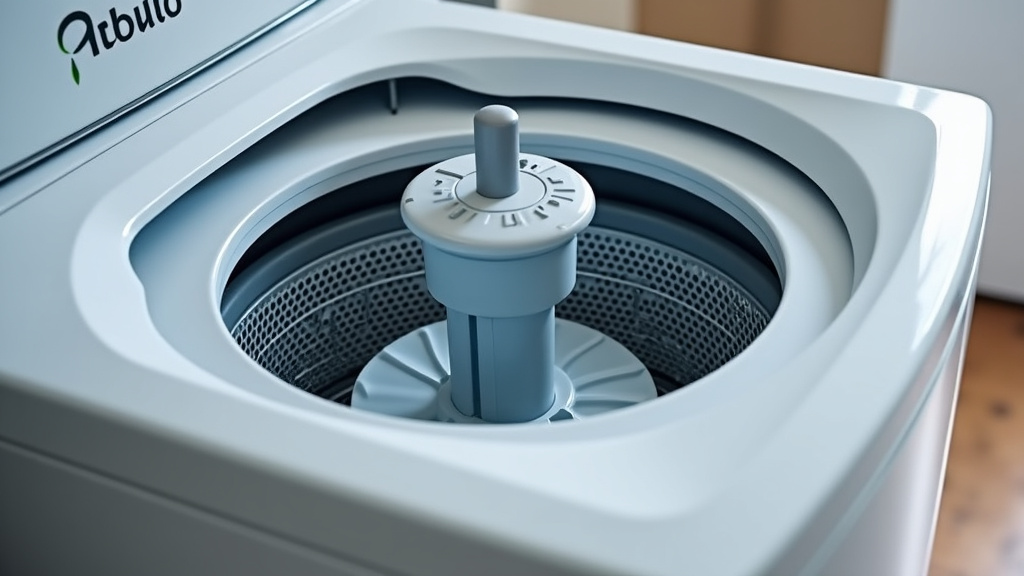
So, what exactly makes these small washing machines tick? It all comes down to a clever little component called an impeller. Think of it as the heart of the washing action. This impeller is usually a disc or a series of fins located at the bottom of the wash tub. When the machine runs, this impeller spins rapidly, creating a powerful swirling motion in the water.
This swirling water is what gets your clothes clean. It circulates the water and detergent around your garments. It also causes friction between the clothes themselves and between the clothes and the water. This action gently scrubs away dirt and grime. Many people find this agitation method to be quite effective for everyday laundry.
The Impeller’s Role in Cleaning
The impeller doesn’t just spin; it’s designed to create specific water currents. These currents are key to lifting dirt from fabric fibers. The spinning motion can be quite vigorous, depending on the machine’s settings. It’s this controlled turbulence that mimics the action of a larger washing machine, but in a much smaller package.
Research into washing machine technology shows that water movement is essential for removing soil. An impeller aims to create this movement efficiently within its compact design. It’s a smart way to get your clothes clean without the need for a big, bulky machine.
Comparing Impeller Action to Other Methods
You might be wondering how this compares to other types of washing machines. Traditional top-loaders often use an agitator, which is a central post that twists and turns. Front-loaders tumble clothes through a small amount of water. The impeller uses a gentler, more sweeping water motion. This can be less harsh on delicate fabrics.
We found that the impeller method is often preferred for smaller loads because it’s quite effective at agitating items thoroughly. It provides a good balance between cleaning power and fabric care. It’s a bit like swirling a delicate blouse in a basin by hand, but with more power and consistency.
Key Components of an Impeller Portable Washer
Beyond the impeller itself, these machines have a few other important parts. You’ll typically find a wash tub, where the clothes and water go. There’s also a motor that powers the impeller’s spin. Controls are usually simple, often just a dial for timer settings.
Many models also include a drain hose. This is crucial because, as we’ll discuss, you usually need to manually drain the dirty water. Some units might have a separate spin-dry basket, which is another important component for removing excess water.
How to Use Your Impeller Portable Washing Machine
Using an impeller portable washing machine is a straightforward process, though it does involve a few more steps than a fully automated machine. Think of it as a simplified laundry experience. It requires your active participation, which can be rewarding when you see your clean clothes.
Step-by-Step Washing Process
First, you’ll need to place your laundry into the wash tub. Be sure not to overload it. These machines are designed for smaller loads, so packing too much in can affect cleaning performance. Then, you’ll add water. Some models have a fill hose, while others might require you to pour water in directly from a bucket or faucet.
Once the water is in, add your detergent. Close the lid, and set the timer. The impeller will start its work, agitating your clothes. After the wash cycle is complete, you’ll need to drain the dirty water. This usually involves positioning the drain hose and letting gravity do its job.
Filling and Draining: The Manual Part
The filling and draining steps are where these machines differ most from standard washers. You’ll likely be responsible for getting the right amount of water into the tub. This means paying attention to water levels. Likewise, emptying the tub of soapy water is a manual task. You’ll often need to place the drain hose into a sink or bucket. It’s a physical process, but it’s not overly difficult.
We found that many users appreciate the control this gives them over water usage. You can fill it with just enough water for your load, potentially saving water compared to a larger machine. The draining process might require a bit of strength if you need to lift the machine, but most are designed to be manageable.
Rinsing and Spinning
After the initial wash and drain, you’ll need to rinse your clothes. This usually involves refilling the tub with clean water, running a short rinse cycle, and then draining again. Some machines have specific rinse settings, while others might just require you to repeat the filling and draining process.
Finally, many impeller washers have a spin function. This is often done in a separate basket that fits inside the tub. You place your damp clothes in the spin basket and run a spin cycle. This uses centrifugal force to sling excess water out of your clothes. It doesn’t dry them completely, but it significantly reduces drying time. It’s a bit like a salad spinner for your laundry!
Advantages of Using an Impeller Portable Washer
These compact washers offer several benefits, especially for specific living situations. Their small size and efficient operation make them a popular choice for many.
Space-Saving Design
One of the biggest draws is their compact nature. They take up very little floor space. This makes them ideal for small apartments, RVs, tiny homes, or even just a small bathroom. You can often tuck them away in a closet or corner when not in use. This is a huge advantage if you don’t have room for a full-sized washer and dryer.
Cost-Effectiveness
In general, impeller portable washing machines are much more affordable than traditional washing machines. The initial purchase price is lower. Additionally, they tend to use less water and electricity per load. This can lead to savings on your utility bills over time. They are a budget-friendly option for basic laundry needs.
Ideal for Small Loads and Specific Items
Are you someone who doesn’t produce a lot of laundry? Or perhaps you have specific items you prefer to wash separately? These machines are perfect for that. You can wash a few items at a time, like undergarments, baby clothes, or that favorite shirt you need clean quickly. This prevents you from having to run a large machine half-empty.
Perfect for Travelers and Campers
For those who travel frequently in an RV or enjoy camping, a portable impeller washer can be a game-changer. It allows you to do laundry on the go, saving money on laundromats. Having clean clothes readily available enhances the comfort and convenience of your travels. Many models are lightweight enough to transport easily.
Considerations Before Buying
While these machines are convenient, it’s important to be aware of a few things. Thinking through these points will help you decide if an impeller portable washer is the right fit for your needs.
Capacity Limitations
As mentioned, these are for small loads. If you have a large family or generate a lot of laundry, you might find yourself running the machine too often. It’s important to be realistic about how much clothing you need to wash at once. A typical load might be 5-10 pounds of dry clothes.
Manual Effort Required
Remember those manual filling and draining steps? They are a key characteristic. You’ll need to be comfortable with this hands-on approach. If you’re looking for a set-it-and-forget-it appliance, this might not be for you. It requires some physical engagement with the laundry process.
Spin-Dry Effectiveness
While the spin cycle removes a good amount of water, it’s not the same as a dryer. Clothes will still be damp and need air drying, or use of a separate dryer. The spin function significantly speeds up the air-drying process, but it’s not a complete solution for drying clothes.
Durability and Lifespan
Generally, portable washers may not have the same lifespan as heavy-duty, full-sized machines. They are often made with lighter materials to enhance portability. However, many users find them to be reliable for their intended purpose. Reading reviews can give you a good idea of specific model durability. Reading reviews can give you a good idea of specific model durability and the lifespan of portable washers.
Here’s a quick checklist to see if an impeller portable washer is right for you:
- Do you have limited space for laundry appliances?
- Do you typically wash small loads of laundry?
- Are you comfortable with manual filling and draining?
- Is budget a significant factor in your appliance choices?
- Do you need a solution for laundry while traveling or living in an RV?
- Are you okay with air-drying clothes after the spin cycle?
Conclusion
You’ve learned that an impeller portable washing machine is a smart solution for small-space laundry. Its spinning disc provides effective cleaning for limited loads, perfect for apartments, RVs, or dorm rooms. While it requires some manual effort for filling and draining, this offers you greater control over water usage. If you need a budget-friendly, space-saving way to keep clothes fresh without a full-sized appliance, consider an impeller model. Your next step is to assess your typical laundry needs and available space to see if this handy machine fits your lifestyle.
Frequently Asked Questions
Can an impeller portable washer handle bulky items like blankets?
Generally, no. Impeller portable washers are designed for small to medium-sized loads. Bulky items such as blankets, comforters, or large towels can overload the machine, reducing cleaning effectiveness and potentially damaging the impeller. It’s best to stick to everyday clothing items, delicates, or smaller linens.
How long does a typical wash cycle last on these machines?
Wash cycle times can vary depending on the specific model and settings you choose. Most impeller portable washers have a timer that you set, often ranging from 5 to 15 minutes for a wash cycle. You might then run a separate rinse cycle, usually shorter, followed by a spin cycle.
Will my clothes come out completely dry after using the spin cycle?
No, the spin cycle removes excess water but does not completely dry your clothes. It uses centrifugal force to fling water out, making them damp rather than soaking wet. You will still need to air dry them or use a separate drying method.
Are impeller portable washers noisy during operation?
These machines can produce some noise due to the spinning impeller and water movement. However, they are typically quieter than full-sized, traditional washing machines. The sound is usually a whirring or swishing, which many users find acceptable for their compact size.
Can I use regular laundry detergent with an impeller portable washer?
Yes, you can typically use regular liquid or powder laundry detergent. However, it’s often recommended to use less detergent than you would for a standard washing machine, as these units use less water. Using too much can lead to excessive suds, making rinsing more difficult.