What Is a Top Load Portable Washing Machine?
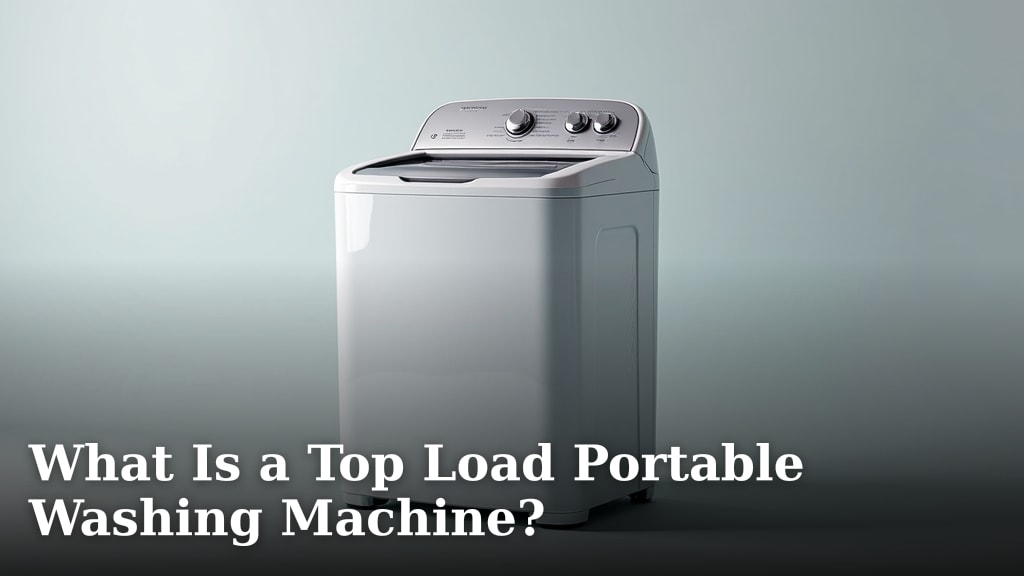
A top load portable washing machine is a compact laundry unit that plugs into a standard outlet and drains into a sink or tub. It’s designed for small spaces or situations where a traditional washer isn’t possible. You get the convenience of washing clothes without needing hookups.
These machines offer a practical solution for apartment dwellers, RV owners, or anyone with limited laundry access. They can handle typical laundry loads and often include basic wash and spin cycles. Many models are surprisingly lightweight and easy to move.
- It’s a small washer that doesn’t need plumbing.
- Plugs into a regular outlet, drains into a sink.
- Great for apartments, RVs, or small homes.
- Makes doing laundry easier in tight spaces.
Let’s break down what makes these handy machines tick and who they’re best for. You might be surprised at how much laundry one can handle!
Understanding Top Load Portable Washing Machines
So, you’re curious about a top load portable washing machine? Think of it as your laundry’s new best friend when space is tight or traditional hookups are a no-go. It’s a washing machine that doesn’t need to be permanently plumbed in. You can simply wheel it out, connect it to a standard water faucet with an adapter, and drain the water into a sink or bathtub. When you’re done, you can tuck it away. It’s a clever solution for making laundry day manageable without a dedicated laundry room.
These units are designed for ease of use and mobility. They typically plug into a regular household electrical outlet. The water supply is usually managed with a hose that connects to your faucet, and the wastewater drains through another hose, often into a nearby sink or tub. This makes them incredibly versatile for various living situations. We found that many users appreciate the ability to do laundry right in their own space, even if it’s an apartment or a smaller home.
How These Compact Washers Work
The magic of a top load portable washer lies in its simple setup. You don’t need a plumber or an electrician to install it. The machine typically comes with a hose that connects to your kitchen or bathroom faucet. You’ll likely need an adapter, which is usually included or easily found at a hardware store. This hose brings fresh water in to fill the drum for washing and rinsing cycles. It’s a bit like filling a large bucket, but the machine does all the work for you.
Once the wash or rinse cycle is complete, the machine needs to drain the dirty water. This is where the second hose, the drain hose, comes into play. You simply place this hose over the edge of your sink or bathtub. The machine then pumps the water out. Many models are designed so this process is quite efficient. We found that the amount of water used is generally less than a full-sized washing machine, which can be a nice bonus.
The Filling and Draining Process
Filling the drum is straightforward. You’ll attach the inlet hose to your faucet, turn on the water, and select your desired water temperature and fill level on the machine. The washer will fill itself up to the pre-set level. Once the cycle is done, the drain hose takes over. Gravity usually helps a bit, but most portables have a pump to ensure all the water is expelled effectively. This is a key feature that sets them apart from machines that require fixed plumbing.
Internal Mechanics and Cycles
Inside, these machines are designed to be compact but capable. They often feature a central agitator, similar to older top-load models, which helps move clothes through the water. You’ll typically find basic wash cycles like “normal,” “delicate,” or “heavy duty,” along with temperature settings. A spin cycle is also standard, designed to wring out as much water as possible before you hang your clothes to dry. Some models even offer a “rinse and spin” option for extra freshness.
Who Benefits Most from a Top Load Portable Washer?
These machines are a lifesaver for certain situations. If you live in an apartment or condo and don’t have in-unit laundry facilities, a portable washer can mean the difference between hauling laundry across town or washing it in your own home. Renters often find these ideal because they don’t require permanent alterations to the property. You can simply take it with you when you move.
RV owners and campers also find them incredibly useful. Having the ability to wash clothes while on the road can save money and offer more convenience, especially on longer trips. For those with a second home or a small vacation cabin, a portable washer provides a simple laundry solution without the need for complex installations. We found that many people use them as a secondary washer for small loads, like baby clothes or delicates, alongside a larger, main washer.
Apartment Dwellers and Renters
For those living in apartments, especially those with limited plumbing or no designated laundry area, a top load portable washer is a game-changer. You can often fit them in a corner of the kitchen, bathroom, or even a large closet. The ability to simply roll it out, connect, wash, and then store it away is a huge advantage. It means you’re not dependent on communal laundry facilities, which can be costly and often crowded.
RV and Tiny Home Enthusiasts
Life on the go or in a minimalist space calls for space-saving solutions. A portable washer fits this perfectly. It allows you to maintain a sense of normalcy and cleanliness no matter where you are. For RVers, it means packing fewer clothes and washing them as needed. In tiny homes, where every square foot counts, a portable unit can be stored when not in use, freeing up valuable living space. It’s about maximizing convenience in minimal footprints.
Individuals with Limited Mobility
For individuals who may have difficulty with stairs or traveling to an off-site laundry facility, a portable washer offers a convenient alternative. Having the ability to do laundry within your own home can be a significant help. This reduces the physical strain and logistical challenges associated with traditional laundry methods. It promotes independence and makes a daily chore much more manageable. We found that ease of use and accessibility are frequently cited benefits.
Key Features to Look For
When you’re shopping for a top load portable washer, there are a few things to keep in mind. Capacity is a big one. While “portable” implies small, they do come in different sizes. Think about how much laundry you typically do. A smaller capacity might be fine for one or two people, while a larger one could handle family loads. We found that checking the dimensions is also critical to ensure it will fit in your intended space.
Think about the cycles and settings. Do you need a quick wash? A delicate cycle for sweaters? Most models offer basic options, but some provide more advanced features like steam or sanitizing cycles. Also, consider the noise level. Some are quieter than others, which can be important if you live in close quarters. Energy efficiency is another factor, though portability often means less energy consumption than full-sized machines. Check the water usage ratings if that’s a concern for you.
Capacity and Size Considerations
The capacity is usually measured in pounds or cubic feet. A common size might be around 1.0 to 2.0 cubic feet. This can typically handle about 5-10 pounds of dry laundry. For a single person or a couple, this is often enough for a few days’ worth of clothes. If you have a family or tend to wash larger items like blankets, you might need to look for a larger model or plan on doing smaller, more frequent loads. Always measure your space – both where you plan to use it and where you’ll store it – before buying.
Wash Cycles, Water Temperature, and Spin Speed
Most portable washers come with a few essential wash cycles. Look for options like “Normal,” “Heavy Duty,” “Delicate,” and “Quick Wash.” Water temperature controls are also important. The ability to select hot, warm, or cold water helps you treat different fabrics appropriately. For instance, hot water is great for whites and heavily soiled items, while cold is best for darks and delicate fabrics to prevent shrinking or color bleeding (CDC).
Spin speed determines how much water is extracted from your clothes. Higher spin speeds mean clothes will come out drier, reducing drying time. While portable units may not spin as fast as their full-sized counterparts, a good spin cycle is still beneficial. Some models offer adjustable spin speeds or a “spin only” option, which can be handy.
Ease of Setup and Storage
This is where portability shines. You want a machine that’s easy to connect and disconnect. Look for clear instructions and well-designed hoses and adapters. Some models have built-in wheels or handles to make moving them around easier. For storage, consider the machine’s dimensions and whether it can fit under a counter, in a closet, or a corner. Some people even store theirs on a sturdy shelf if space is extremely limited.
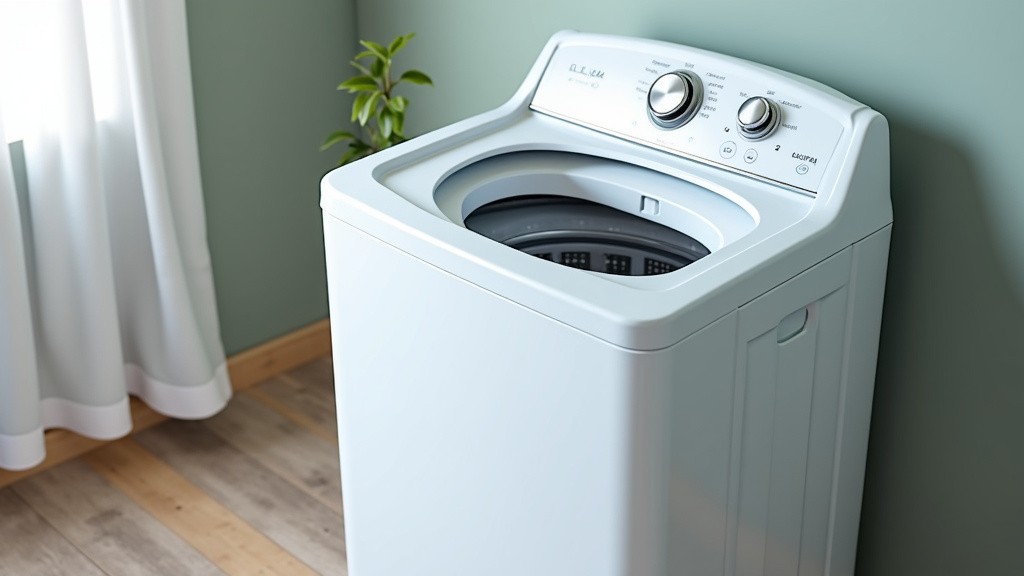
Tips for Using Your Portable Washer Effectively
Once you have your top load portable washer, using it efficiently is key. Always follow the manufacturer’s instructions for loading and operation. Don’t overload the drum; this can prevent clothes from getting clean and put extra strain on the machine. We found that sorting your laundry by color and fabric type is still important, just like with a regular washer.
Use the right amount of detergent. Too much can leave residue on your clothes or in the machine. High-efficiency (HE) detergents are often recommended, even for portable units, as they produce fewer suds. After each use, it’s a good idea to wipe down the interior and exterior of the machine to prevent mildew and keep it looking its best. Leaving the lid ajar can also help air circulate and prevent odors.
Loading Your Machine Correctly
Loading is simpler than you might think. Place your clothes loosely into the drum, ensuring they are not packed too tightly. You want the water and detergent to circulate freely around each item. For most portable washers, you’ll add the detergent directly into the drum before adding clothes, or some have a dispenser. Always refer to your machine’s manual for the specific order.
Choosing the Right Detergent and Fabric Softener
Many experts suggest using a low-suds detergent for portable washing machines. This is because smaller tubs and less powerful pumps can struggle to rinse away excessive suds, which can lead to detergent residue. Liquid detergents or pods designed for HE (High-Efficiency) machines are usually a good choice. Fabric softener can be added during the final rinse cycle, but be mindful not to use too much, as it can build up over time.
Maintenance for Longevity
Regular maintenance will help your portable washer last longer. After each wash, wipe down the drum and the lid. Periodically, run a cleaning cycle with hot water and a washing machine cleaner or vinegar to remove any soap scum or mineral deposits (Cleveland Clinic). Check the hoses for any kinks or leaks and ensure the filters, if accessible, are clean. Proper care ensures your little washer keeps humming along.
| Feature | Top Load Portable Washer | Full-Size Top Load Washer | Full-Size Front Load Washer |
|---|---|---|---|
| Plumbing Required | No (uses faucet/sink) | Yes (direct hookups) | Yes (direct hookups) |
| Mobility | High (easy to move/store) | Low (fixed installation) | Low (fixed installation) |
| Capacity | Small to Medium (5-10 lbs typical) | Medium to Large (12-20+ lbs) | Medium to Large (10-18+ lbs) |
| Water Usage | Lower | Medium to High | Low to Medium |
| Energy Usage | Lower | Medium to High | Low to Medium |
| Cost | Lower initial cost | Medium to High | High |
Making the Most of Small-Space Laundry
A top load portable washing machine is more than just a small appliance; it’s a solution for modern living. It brings the convenience of laundry into spaces where it was previously impractical or impossible. Whether you’re in a cozy apartment, hitting the road in an RV, or simply want a secondary unit for small loads, these machines offer a practical and accessible way to keep your clothes clean. They prove that you don’t need a dedicated laundry room to enjoy fresh laundry.
Think about your daily routine and your living space. Does a portable washer fit your needs? Could it simplify your life? Researching different models and their specific features will help you find the perfect fit. With a little planning, you can bring laundry day home, no matter how small your space may be. It’s about smart solutions for everyday tasks.
- Measure your available space first.
- Check the capacity to match your laundry needs.
- Confirm it includes necessary hoses and adapters.
- Read reviews for ease of setup and noise level.
- Consider where you will store it when not in use.
- Look for models with basic, easy-to-use cycles.
Conclusion
You’ve learned that a top load portable washing machine is a smart solution for bringing laundry convenience to tight spaces. These compact units eliminate the need for permanent plumbing, making them ideal for apartments, RVs, and smaller homes. They offer a practical way to wash clothes without the hassle of laundromats or the expense of full-sized installations. We found that their ease of setup, mobility, and efficient operation make them a worthwhile addition for many shoppers. You can learn how long portable washers last in our guide.
Before you buy, measure your space and consider your typical laundry needs. Thinking about these factors will help you choose a portable washer that truly simplifies your life. Your next load of laundry could be just a few steps away, right in your own home.
Frequently Asked Questions
Can I use a portable washer in any apartment?
Generally, yes, as long as you have access to a standard sink or tub for draining and a regular electrical outlet. Most portable washers connect to a faucet with an adapter, so you won’t need plumbing hookups. Always check your lease agreement or building rules regarding appliance usage, though.
How much laundry can a portable washer actually handle?
The capacity varies by model, but most can handle between 5 to 10 pounds of dry laundry per load. This is typically enough for a few outfits or a small set of bedding for one or two people. For larger families, you might need to do smaller, more frequent loads.
Do portable washers require special detergents?
It’s best to use a low-suds or high-efficiency (HE) detergent. Too many suds can be difficult for the machine’s smaller tub and pump to rinse out completely. This helps prevent residue on your clothes and keeps the machine running smoothly.
How do I connect the water supply and drain the water?
Most portable washers come with an inlet hose that attaches to your faucet with an adapter, usually included or easily purchased. For draining, you simply place the attached drain hose over the edge of your sink or bathtub. The machine pumps the used water out.
Where can I store a portable washing machine when I’m not using it?
These machines are designed for easy storage. You can typically slide them into a closet, tuck them away in a corner of a room, or even store them under a counter if space allows. Their wheels often make them easy to move to and from their storage location.