What Is a Semi Automatic Washing Machine?
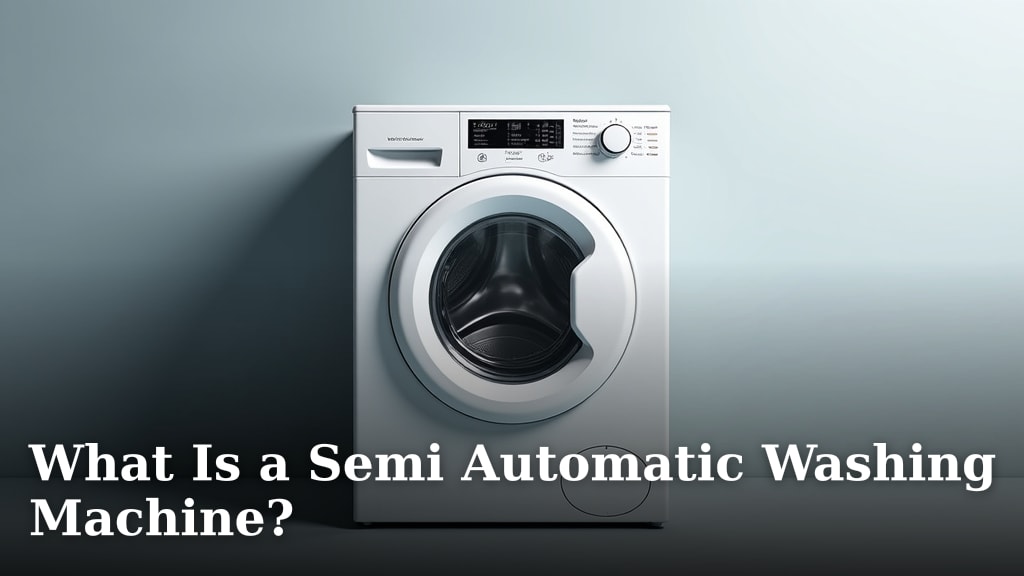
A semi automatic washing machine is a type of washer that requires some manual effort to operate. You fill it with water and detergent, and then you move the clothes between the wash tub and the spin tub yourself. It’s a step up from hand washing but offers less automation than a fully automatic model.
These machines are often chosen for their affordability and water efficiency, especially in areas where water supply might be inconsistent. They are a practical choice for smaller households or those who prefer more control over the washing process. Many people find them to be a cost-effective and reliable option for clean clothes.
- Semi automatic washers need your help.
- You manually transfer clothes to spin.
- They are good for saving water.
- Often a budget-friendly choice.
- Great for homes with limited water access.
Below, we’ll walk you through exactly what a semi automatic washing machine is, how it works, and what makes it different from other types of washers.
Understanding Your Semi Automatic Washer
So, what exactly is a semi automatic washing machine? Think of it as a helpful assistant for your laundry. It handles the heavy lifting of washing and rinsing. But it still needs your direction to move clothes to the drying stage. You’re in charge of filling it with water and detergent. You also need to manually transfer the wet clothes from the wash tub to the spin dryer. It’s a straightforward process that many find very manageable.
How Does a Semi Automatic Washing Machine Work?
These machines typically have two tubs. One tub is for washing and rinsing. The other tub is for spinning and drying the clothes. You start by adding your clothes and water to the wash tub. Then, you add your detergent. You set the timer for the wash cycle. Once the wash is done, you’ll move the clothes to the spin tub. The spin tub spins at high speed to remove excess water. This makes your clothes much lighter and quicker to air dry.
The Wash Cycle
During the wash cycle, the agitator in the wash tub moves back and forth. This motion helps to agitate the clothes and loosen dirt. You can often control the wash time with a timer. Some models let you choose between different wash programs, like delicate or normal. It’s a fairly hands-on process, but it gets the job done effectively.
The Rinse Cycle
After washing, you’ll typically drain the dirty water. Then, you’ll refill the wash tub with clean water for rinsing. You might run a rinse cycle to remove any remaining soap. Again, you’ll move the clothes to the spin tub when you’re ready to rinse them thoroughly.
The Spin Dry Cycle
This is where the second tub comes into play. You place the wet clothes into the spin tub. Close the lid, and the tub starts to spin very quickly. This centrifugal force pushes the water out of your clothes through small holes in the tub. Most semi automatic washers have a timer for the spin cycle, too. This is a great way to get your clothes almost dry, ready for line drying or a separate dryer.
Key Features and Benefits to Consider
What makes a semi automatic washer a good choice for some households? We found that several key features stand out. They often provide a balance of convenience and cost-effectiveness. Let’s break down what makes them appealing.
Manual Control and Water Efficiency
One of the biggest benefits is water control. You decide how much water to use for each load. This is a big plus in areas with water restrictions or inconsistent water pressure. You’re not reliant on the machine to fill up automatically. You can also reuse rinse water for the next wash cycle, which is a smart way to conserve water. Many families appreciate this level of control over their resource usage.
Energy Consumption
Semi automatic machines are generally energy efficient. Because they don’t heat water automatically and have shorter cycles, they tend to use less electricity than fully automatic models. The spin drying feature also means clothes take less time to dry, potentially saving energy if you use a separate dryer.
Affordability and Durability
When you look at the price tag, semi automatic washers are often significantly cheaper than their fully automatic counterparts. Their simpler mechanics mean fewer things can go wrong. This often translates to longer lifespans and fewer repair needs. You’re investing in a machine that is built to last with basic, robust parts.
Portability and Size
Many semi automatic washers are lighter and more compact. This makes them easy to move around if you need to. They can be a great option for smaller apartments, RVs, or even for use on a balcony. If you have limited space, their smaller footprint can be a major advantage. You can tuck them away more easily when not in use.
When is a Semi Automatic Washer the Right Choice for You?
Deciding if this type of washer fits your lifestyle involves a few considerations. We’ve seen that they excel in specific situations.
Situations Where They Shine
- Water Scarcity: If you live in an area with unpredictable water supply, you have direct control.
- Budget Constraints: They are a great way to get clean clothes without a high upfront cost.
- Smaller Households: Perfect for singles, couples, or small families who don’t do massive loads.
- Desire for Control: You like having a hands-on approach to your laundry.
- Limited Space: Their compact size makes them ideal for smaller living areas.
- Electricity Concerns: If you’re looking to minimize your energy bill, they can help.
What to Expect in Terms of Effort
It’s important to be realistic about the manual effort involved. You will be physically moving wet clothes from one tub to another. This might be a challenge for those with mobility issues or anyone who wants a completely hands-off experience. It’s a trade-off for the cost savings and water efficiency.
Comparing Semi Automatic to Other Washers
Understanding the differences helps you make the best choice. How do they stack up against the other main types?
| Feature | Semi Automatic | Fully Automatic | Top Load (Agitator) | Front Load |
|---|---|---|---|---|
| Manual Effort | High (moving clothes, filling water) | Low (load, select cycle, start) | Low (load, select cycle, start) | Low (load, select cycle, start) |
| Water Usage | Low (user-controlled) | Medium to High | Medium to High | Low to Medium |
| Energy Usage | Low | Medium to High | Medium to High | Low to Medium |
| Cost | Lowest | Medium to High | Medium | High |
| Space Required | Compact | Medium to Large | Medium | Medium to Large |
Semi Automatic vs. Fully Automatic
The primary difference lies in automation. A fully automatic washer handles everything: filling with water, washing, rinsing, and spinning. You just load the clothes and press a button. Semi automatic washers require you to step in for certain tasks, mainly transferring clothes. This means fully automatic machines offer more convenience but usually come with a higher price tag and potentially higher utility bills.
Semi Automatic vs. Other Top Loaders
Most standard top-loading machines are fully automatic. They have one tub that does both washing and spinning. Some top-loaders use an agitator (the central post), while others use an impeller (a low-profile disc). Semi automatic machines also typically have an agitator but have two separate tubs for washing and spinning. This separation is a key characteristic.
Semi Automatic vs. Front Loaders
Front-load washers are known for their energy and water efficiency. They also tend to be gentler on clothes. However, they are generally the most expensive type of washer. They also have longer cycle times compared to most semi automatic models. The convenience of a front loader is high, but so is the cost.
A Quick Checklist for Your Semi Automatic Washer
To make sure you’re getting the most out of your semi automatic washer, keep these points in mind:
- Always check pockets before loading clothes.
- Don’t overload the wash tub for better cleaning.
- Transfer clothes promptly to the spin tub after washing.
- Ensure the spin tub is balanced to prevent shaking.
- Drain water properly after each wash and rinse cycle.
- Allow clothes to air dry fully after spinning.
Conclusion
You’ve learned that a semi automatic washing machine offers a practical way to handle laundry. It provides more control over water usage and is often a budget-friendly choice. While it requires more manual effort than fully automatic models, its simplicity can lead to durability and lower energy bills. Consider your specific needs, like available space and your preference for hands-on control, to see if it fits your lifestyle. Weighing these benefits against the manual steps will help you make the best decision for your home.
Frequently Asked Questions
Do semi automatic washing machines use a lot of water?
No, they are known for being water-efficient. You control how much water goes into the wash tub, so you can use less if needed. This makes them a good choice for areas with water restrictions.
Is a semi automatic washer difficult to operate?
The operation is straightforward but involves manual steps. You’ll need to move clothes from the wash tub to the spin tub yourself. This is manageable for most people, but it’s more hands-on than a fully automatic machine.
How much electricity does a semi automatic washing machine use?
They generally use less electricity than fully automatic machines. They don’t have built-in water heaters and often have shorter cycles. The spin drying also means clothes need less time to air dry, potentially saving energy.
Can I use a semi automatic washer if I have limited space?
Yes, many semi automatic washers are designed to be compact and lighter. This makes them easy to move and store. They are often a good fit for smaller apartments, RVs, or even small laundry areas.
Are semi automatic washing machines durable?
Often, yes. Their simpler mechanical design means fewer parts can break down. This can lead to a longer lifespan and fewer repair needs compared to more complex machines.