What Is a Mini Portable Washing Machine?
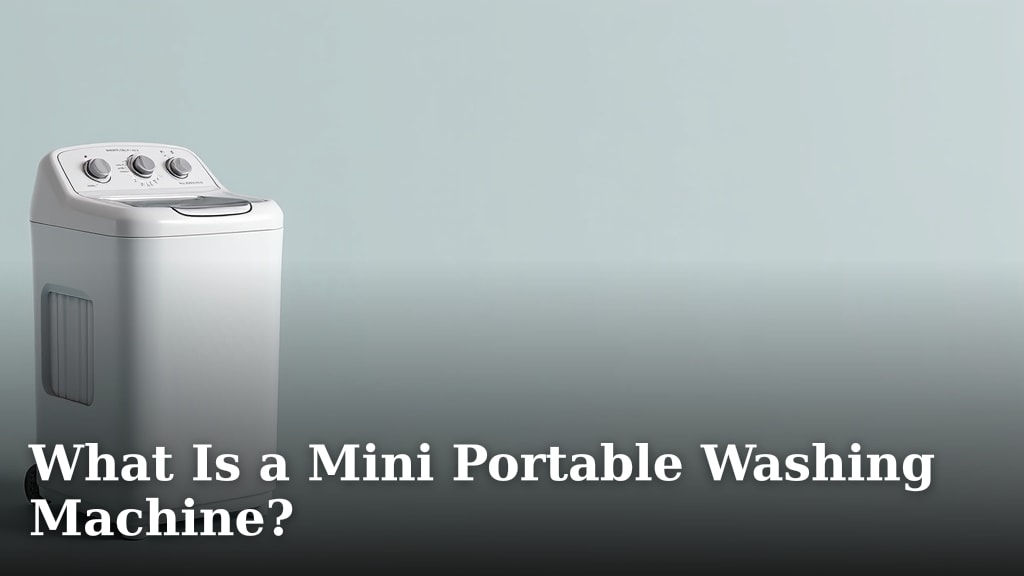
A mini portable washing machine is a compact appliance designed for small loads of laundry. It offers a convenient way to wash clothes in spaces where a full-sized washer won’t fit. These machines typically use less water and energy than standard models.
Think of it as your personal laundry helper for apartments, RVs, dorm rooms, or even for tackling cloth diapers. Many people find them especially useful for washing delicate items or small batches of clothes, saving trips to a laundromat. We found that these devices are quite popular for their space-saving design and ease of use.
- What it is: A small, portable laundry appliance.
- Best for: Small loads, apartments, RVs, dorms.
- Key benefits: Space-saving, energy-efficient, convenient.
- What to expect: Usually handles lighter or smaller loads.
- Think of it like: A mini laundry solution for specific needs.
Let’s break down exactly what a mini portable washing machine is and how it can fit into your life.
Understanding the Mini Portable Washing Machine
You’re probably wondering what exactly a mini portable washing machine is. Simply put, it’s a small, lightweight laundry appliance. It’s designed to wash smaller loads of clothes than your standard washing machine. Think of it as a personal laundry helper. It’s perfect for situations where a full-sized washer just isn’t practical or possible.
These machines are incredibly handy for a variety of living situations. If you live in a tiny apartment or a dorm room, you might not have hookups for a larger machine. An RV or a boat is another common place you’ll find them. They offer a convenient way to keep up with laundry without needing a laundromat. We’ve seen how much people appreciate this convenience. It’s a real space-saver.
How Do They Work?
The way these mini machines operate is quite straightforward. Most models are designed for simplicity. You’ll typically fill the machine with water, add your detergent, and then place your clothes inside. Then, you set a timer or cycle, and the machine does the washing. Some models even have a separate compartment or a second tub for a spin cycle to wring out excess water. This makes drying easier.
Many of these portable washers are electric. They plug into a standard wall outlet, just like any other small appliance. Some are even simpler, using a manual crank or pedal system to agitate the clothes. This type requires a bit more effort from you. We found that the electric models are the most popular for their ease of use and effectiveness. They take the manual labor out of washing.
What to Expect from a Mini Portable Washer
When you decide to get a mini portable washing machine, it’s good to know what you’re getting into. These are not designed to replace your full-sized washer for big family laundry days. Instead, they excel at handling small, light loads. This could be a few items of clothing, delicate garments, or maybe your socks and underwear.
The capacity is the biggest difference. You won’t be washing bedding or large towels. Think more along the lines of a few t-shirts or a pair of jeans. Some models might offer a slightly larger capacity, but always check the specifications. We found that managing expectations about load size is key to being happy with your mini washer.
Key Features and Components
Let’s look at the parts that make up these compact laundry solutions. Understanding the components will help you see how they function and what to look for when choosing one.
The Wash Tub
This is where the magic happens! The wash tub is the main drum where you put your clothes and water. They come in various sizes, usually measured in pounds or kilograms of laundry capacity. The material is typically a durable plastic. Some models have a simple agitator in the center, while others use tumbling action to move clothes through the water.
Water Inlet and Drain
How does the water get in and out? Most models have a hose or a place to pour water in directly. For draining, there’s usually a small drain hose. You’ll need to position this hose to let the water flow into a sink, a bucket, or a drain. Some simpler models might require you to manually tip the machine to empty the water, so pay attention to the drainage system.
Control Panel/Timer
The controls are usually very basic on these machines. You’ll often find a simple timer dial. You set it for how long you want the wash cycle to run. Some might have a few more options, like different wash or spin speeds. For most users, a simple, easy-to-understand control panel is perfectly sufficient. We found that the less complicated, the better for these types of appliances.
The Motor and Agitation Mechanism
This is the heart of the machine. The motor powers the agitation, which is what actually cleans your clothes. The type of agitation can vary. Some have a central post that twists and turns, pushing clothes around. Others have paddles or fins on the inside of the tub that move the clothes. The effectiveness of the motor can impact how well your clothes get cleaned.
Types of Mini Portable Washing Machines
Not all mini portable washers are created equal. There are a few main types you’ll encounter when you start shopping around. Each has its own pros and cons.
Single Tub Washers
These are the most basic and often the most affordable. A single tub washer does everything in one drum. You wash your clothes in it, and then you usually have to manually drain the water and either hang your clothes to dry or use a separate spin dryer. Some might have a built-in spin function, but it’s often less effective than a dedicated spinner.
They are compact and easy to store. The main drawback is the manual effort required for draining and spinning. We found these to be a good choice for very light use or for people who don’t mind a bit of hands-on laundry. They often have a timer for the wash cycle.
Twin Tub Washers
These machines have two separate tubs. One tub is for washing, and the other is for spinning clothes dry. You wash your clothes in the first tub, then transfer them to the second tub for spinning. This is a big step up in convenience compared to single tub models. You get the clothes much drier, which speeds up air drying.
Twin tub washers generally offer more control over your wash cycles. You can often set different wash times and spin times. They tend to be a bit larger than single tub models. Many people consider the twin tub design a great compromise between a full-size washer and manual washing. It’s a popular choice for apartment dwellers.
Washer/Dryer Combo Units
These are the most advanced portable units. As the name suggests, they can both wash and dry your clothes. You load them up, select your cycle, and they handle the entire process. This offers the ultimate convenience in a portable unit. You can wash and dry a small load without doing anything in between.
However, these units are typically more expensive and can be larger than single or twin tub models. The drying function might also take a long time and might not dry clothes as thoroughly as a separate dryer. They can also use more energy. We found that for those seeking maximum convenience in a small space, these are a top contender if the budget allows.
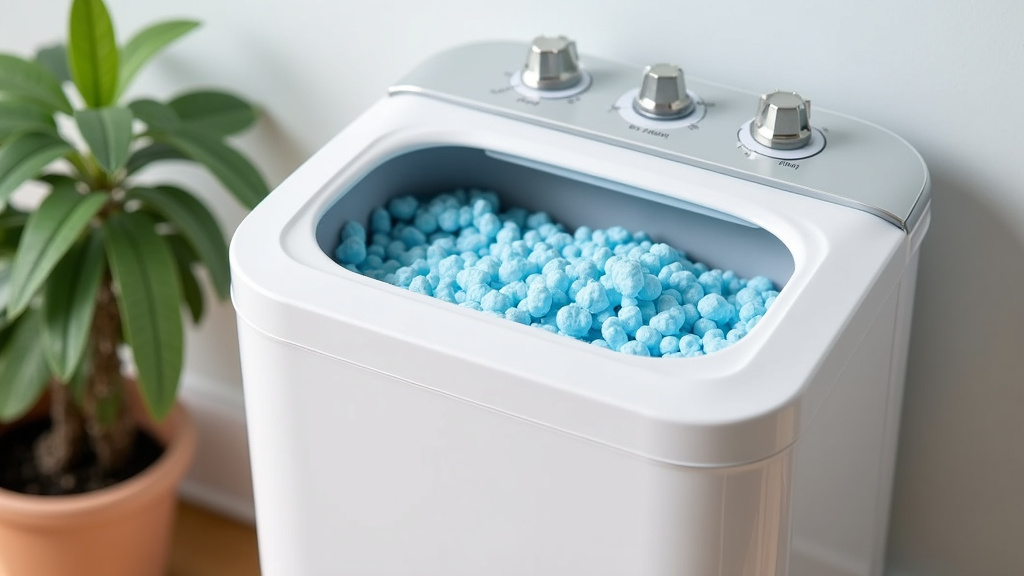
Who Can Benefit from a Mini Portable Washing Machine?
The convenience of a mini portable washing machine isn’t for everyone, but for certain people, it can be a real lifesaver. Let’s consider who might find these machines most useful.
Apartment Dwellers and Those with Limited Space
If you live in a small apartment, you might not have the space or the plumbing hookups for a full-sized washer and dryer. A mini portable machine is a perfect solution. You can often set it up near a sink and drain it easily. They are compact enough to be stored away when not in use. This is a major advantage for those in tight living quarters. Many sources suggest checking local building codes for laundry appliance installations, but portable units usually bypass these concerns.
RV Owners and Campers
For those who travel in an RV or enjoy extended camping trips, keeping laundry clean can be a challenge. Laundromats aren’t always convenient or available. A mini portable washer allows you to wash clothes on your own schedule, saving time and money. They are small enough to fit in most RVs without taking up too much precious space. Some models are specifically designed with RVs in mind, featuring durable construction.
Students in Dorm Rooms
Dorm laundry rooms can be expensive and often have long queues. A personal mini washing machine in your dorm room can be a great investment for students. It allows for quick washes of small loads, so you always have clean clothes. This can be especially helpful for students who are on a tight budget or who have specific laundry needs. Many universities have rules about appliances, so it’s always good to check first.
People with Specific Laundry Needs
There are many reasons someone might need a smaller washing solution. Perhaps you have young children and need to wash cloth diapers frequently. Or maybe you have delicate items that you prefer not to put in a large, potentially rougher machine. For people who want to wash small batches of items, like workout clothes or single outfits, a mini washer is ideal. We found that using a mini washer for these specific tasks can prolong the life of your clothes.
Making the Most of Your Mini Washer: A Quick Checklist
Once you have your mini portable washing machine, you’ll want to use it effectively. Here’s a short guide to help you get started:
- Read the Manual: Always check your specific model’s instructions.
- Don’t Overload: Stick to the recommended capacity for best results.
- Use Appropriate Detergent: Low-sudsing detergent is usually best.
- Manage Water Temperature: Use the right water temperature for your fabrics.
- Spin Cycle is Key: Get as much water out as possible before drying.
- Clean It Regularly: Keep your machine running smoothly with proper care.
Following these simple steps will help ensure your mini portable washing machine serves you well for a long time. It’s all about proper use and a little bit of maintenance.
Conclusion
You’ve learned that a mini portable washing machine is a smart solution for specific laundry needs. They offer convenience and space savings for smaller living situations or specialized tasks. We’ve seen how they can make laundry day much easier without requiring a full-sized appliance. If you’re looking for a way to handle small loads efficiently, understanding your options, like single tub versus twin tub models, is key. Now that you’re informed, consider your personal laundry habits and space to see if a mini portable washer is the right fit for you.
Frequently Asked Questions
Can a mini portable washing machine replace a regular washing machine?
Generally, no. Mini portable washers are designed for small, light loads and can’t handle the volume or types of items a full-sized machine can. They are best as a supplement or for specific situations like small apartments or RVs.
How much water do these machines typically use?
They tend to be very water-efficient, using significantly less water than standard washers. You often add water manually, allowing you to control the exact amount needed for a small load.
Are mini portable washing machines difficult to set up and use?
Most models are quite straightforward. You’ll typically plug them into a standard outlet, add water and detergent, and select a wash time. Drainage usually involves a small hose that can be placed in a sink or bucket.
What kind of detergent should I use with a mini portable washer?
It’s generally recommended to use a low-sudsing detergent, similar to what you might use for handwashing or high-efficiency machines. Too many suds can make rinsing difficult and potentially damage the machine.
How do I dry clothes after washing them in a mini portable washer?
Most mini washers have a spin cycle to remove excess water, but clothes will still be damp. You’ll typically hang them to air dry. Some twin tub models offer a separate spin dryer compartment that helps get clothes drier than a standard wash-only unit.