What Does Portable Mean for a Washing Machine?
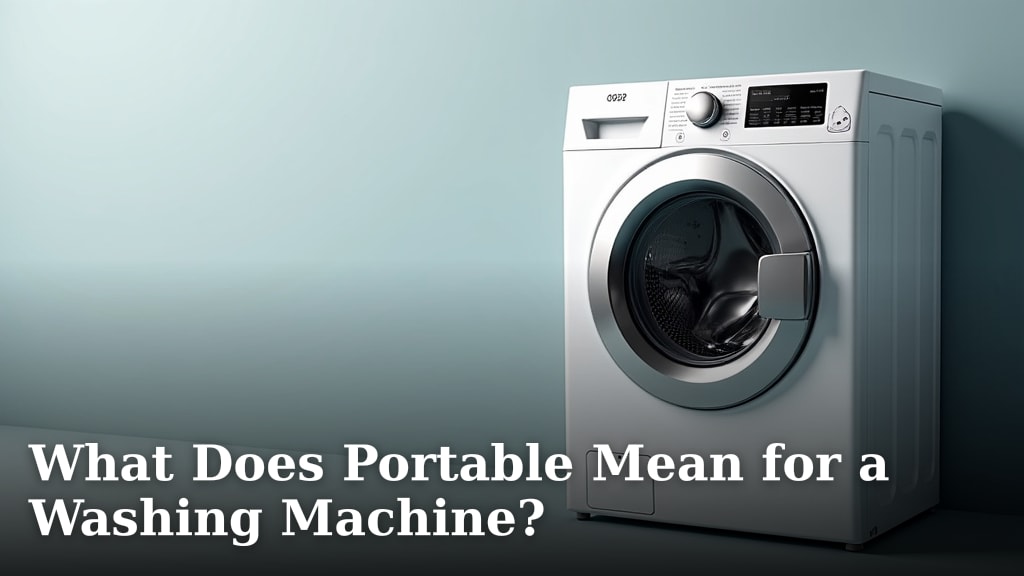
A portable washing machine is a small, movable appliance designed for washing clothes without needing a permanent setup. It’s perfect for apartments, dorm rooms, or homes where space is tight. These machines are lightweight and easy to store when not in use.
Many people find portable washers helpful because they can connect directly to a sink and don’t require special plumbing. We found that they’re ideal for those with limited space or who move frequently. Do you live in a place with no hookups? A portable model might save you a trip to the laundromat.
- A portable washing machine is compact and can be moved easily.
- It typically connects to a sink instead of permanent plumbing.
- Great for small living spaces, rentals, or temporary homes.
- Consider capacity, water usage, and noise levels before buying.
Understanding Portable Washing Machine Design
So, what truly makes a washing machine “portable”? It isn’t just about being small. A portable washer is a self-contained unit designed for temporary setup and easy movement. Unlike traditional machines, it doesn’t need dedicated plumbing or a permanent home.
The core idea is flexibility. You can roll it into a closet or under a sink when you’re done. Many models have wheels or a compact, lightweight frame. We found that this design is perfect for people who rent, live in dorms, or simply don’t have laundry hookups.
Core Features That Define a Portable Washer
Several key features set these machines apart from standard models. The most important is how they connect to water and drain. You won’t need to install special valves or pipes.
- Connects to a Sink Faucet: An adapter typically screws onto your kitchen or bathroom sink, providing cold (and sometimes hot) water.
- Uses an Internal Pump or Gravity Drain: After washing, the machine pumps wastewater out through a hose. You place this hose in the same sink, a bucket, or a nearby drain.
- Freestanding and Compact: They are standalone units. Their smaller footprint lets you place them on countertops, in showers, or on the floor.
The “Portable” vs. “Countertop” Distinction
You’ll see both terms used. Generally, a countertop model is a subtype of portable. It’s small enough for a counter but has a lower capacity. A “portable” washer might be a slightly larger, floor-standing unit with wheels. Both share the same sink-connected philosophy.
Key Benefits of a Portable Model
The main upside is simple: laundry access without a long-term commitment. This solves a major problem for millions. The U.S. Census Bureau notes that a significant number of renter-occupied homes lack in-unit laundry. A portable washer can fill that gap effectively.
You avoid frequent laundromat trips. Think about the time and money saved on quarters, detergents, and travel. For many, it’s about gaining a bit more independence in their daily routine.
Ideal Living Situations for Portable Washers
Where does a portable washer make the most sense? We found the best fit is in spaces where permanent installation isn’t an option or desired.
- Apartments and Rentals: Especially if the landlord prohibits modifications or there are no existing hookups.
- Dorm Rooms and RVs: For quick, frequent loads of small laundry piles.
- Home with Only a Utility Sink: You can wheel the machine over when needed and store it away.
- As a Supplemental Washer: Use it for delicates or small loads to save water and energy.
Limitations and Real-World Considerations
Let’s be honest. A portable washer won’t replace a full-sized machine for a large family. Its biggest limitation is capacity. Most models wash between 1 and 1.5 cubic feet of laundry. That’s roughly a few t-shirts, one pair of jeans, and some socks per load.
Wash cycles can also be longer. The machines use less water and energy, which is great, but it can mean the wash and rinse take more time. Noise levels vary by model, but the pump during draining is often the loudest part.
Water and Energy Use Explained
A standard top-loading washer uses 15-30 gallons per load. Portable washers are far more efficient. According to Energy Star information, compact models can use as little as 10-15 gallons. This efficiency is a key selling point.
You control the cycle. Since you connect it to the sink, you decide the water temperature using your faucet. This hands-on approach can feel more connected to the washing process.
How to Choose the Right Portable Washer
Shopping for one? Don’t just look at the price tag. We found that focusing on a few key specs ensures you get a model that fits your life. Ask yourself these questions before you buy.
| Feature | What to Look For | Why It Matters |
|---|---|---|
| Capacity | 1.0 to 1.6 cu. ft. | Determines how many clothes fit in one wash. Higher is better for fewer loads. |
| Cycle Options | Wash, Rinse, Spin, Delicates | More cycles mean better care for different fabrics. |
| Drain Method | Pump Drain (vs. Gravity Drain) | A pump actively removes water, allowing placement away from a floor drain. |
| Noise Level | Check reviews for “quiet” operation | Important if you live in a small space or wash at night. |
Installation and Setup Tips
Setup is usually straightforward. Most people can do it in about 10 minutes. The most critical step is attaching the faucet adapter securely to prevent leaks. Always use the washers and gaskets provided.
Place the machine on a stable, level surface. A bathtub floor, shower stall, or sturdy countertop works well. Ensure the drain hose is securely in the sink or bucket. Some vibration is normal during the spin cycle.
Maintenance for Longevity
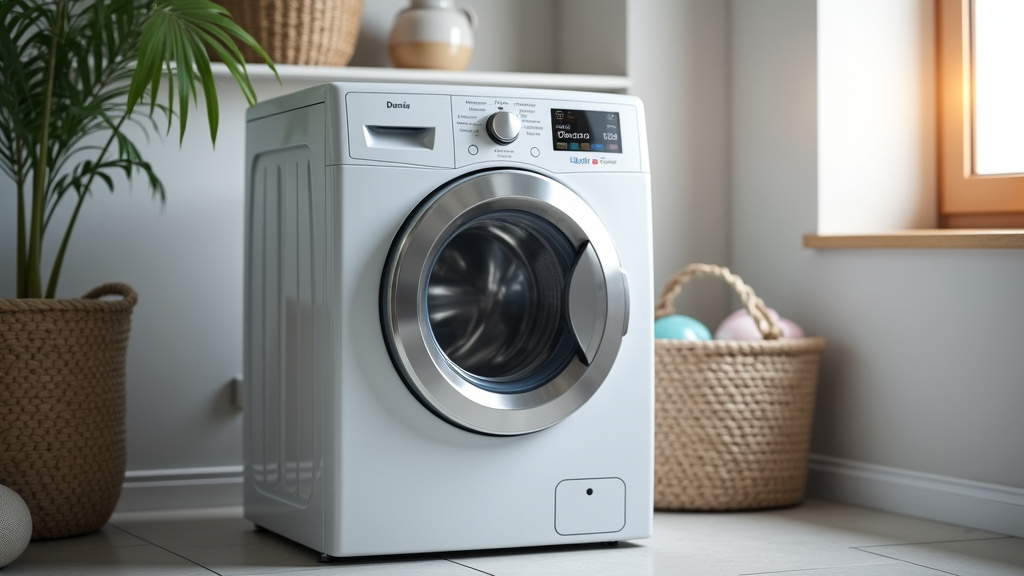
Like any appliance, a little care goes a long way. Wipe down the drum and gasket after use to prevent mildew. Run an empty hot water cycle with vinegar or a cleaner once a month. This removes detergent buildup and keeps it smelling fresh. Our guide to extending your portable washer’s life explains more care routines.
Check the hose connections periodically. Make sure the filter on the pump (if accessible) is clear of lint. Proper care ensures your portable washer lasts for years of reliable service.
Quick Buying Checklist
Ready to shop? Use this simple checklist to compare models. Checking these boxes helps you avoid buyer’s remorse.
- □ Capacity matches my typical laundry load size.
- □ It has a pump drain for flexible placement.
- □ The noise level is acceptable for my space.
- □ It offers the wash cycles I need (e.g., delicate).
- □ The faucet adapter is compatible with my sink.
- □ The weight and dimensions fit my intended storage spot.
Conclusion
A portable washing machine means compact, flexible laundry without permanent plumbing. You can connect it to a sink, move it easily, and store it when not in use. This makes it ideal for small spaces like apartments, dorms, or RVs, saving you time and money from laundromat trips. Remember, it won’t replace a full-sized machine for large loads, but it’s a practical solution for smaller needs. Check the capacity, drain method, and noise level to match your lifestyle. Use the buying checklist to find the right model and simplify your laundry routine today.
Frequently Asked Questions
How do I connect a portable washer to my sink?
First, attach the faucet adapter to your sink faucet using the provided gaskets for a secure fit. Then, connect the inlet hose from the machine to the adapter. Make sure all connections are tight to prevent leaks, and this setup usually takes about 10 minutes.
Can a portable washing machine handle large loads?
Portable washers typically have a capacity of 1 to 1.6 cubic feet, which is smaller than standard machines. They are best for small loads, such as a few shirts or one pair of jeans. If you have larger laundry needs, you may need to run more cycles or consider a full-sized model.
Is a portable washer noisy?
Noise levels vary by model, but most are relatively quiet during the wash cycle. The loudest part is often the pump during draining, which can be noticeable in small spaces. Check product reviews for noise ratings if you plan to use it at night or in a quiet area.
How do I drain the water from a portable washer?
Most portable washers use a pump drain system, which actively pumps water out through a hose into a sink or bucket. Some models have a gravity drain that relies on a sloping hose. Ensure the drain hose is securely placed to avoid spills or backups.
Are portable washers energy efficient?
Yes, portable washers are generally more energy efficient than standard machines. They use less water, often around 10-15 gallons per load, compared to 15-30 gallons for larger models. This efficiency can help reduce your utility bills and environmental impact.