Twin Tub Portable Washing Machine Cover: The Basics
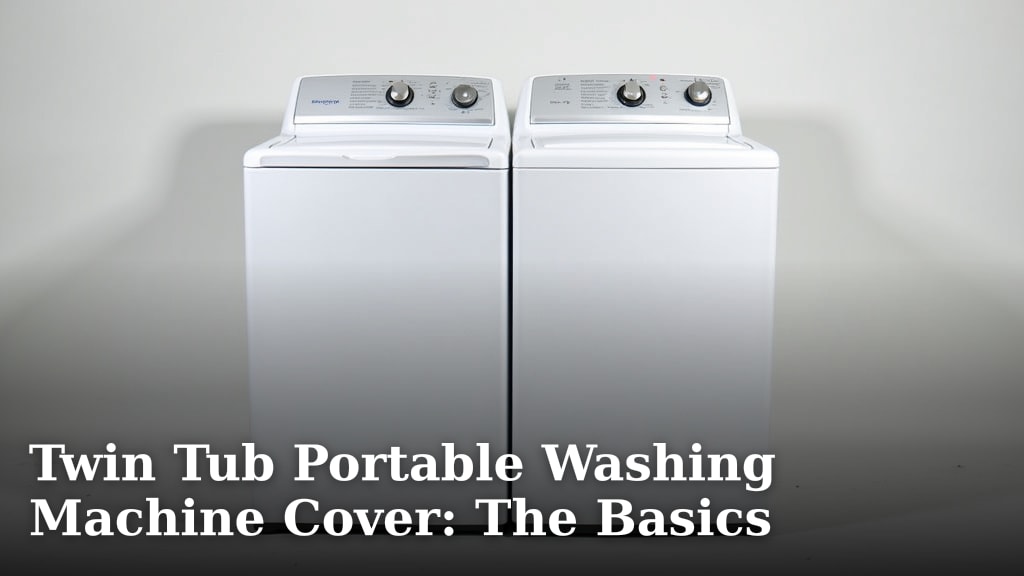
A twin tub portable washing machine cover is designed to protect your appliance from dust, moisture, and accidental bumps. It helps keep your laundry area tidy and can extend the life of your washer. These covers are typically made from durable, water-resistant materials.
When you’re not actively washing clothes, your twin tub washer needs protection. A good cover prevents grime buildup and keeps the machine looking newer for longer. It’s a simple way to ensure your portable washer stays in top condition between uses, especially if it’s stored in a less-than-ideal spot. Think of it as a shield for your hardworking laundry helper.
- Covers protect twin tub washers from dust and moisture.
- They help keep your laundry space neat and tidy.
- Using a cover can extend the lifespan of your machine.
- Materials are usually water-resistant and easy to clean.
Let’s walk through the basics of what a twin tub portable washing machine cover is and why you might want one.
Keeping Your Twin Tub Washer Protected
Your twin tub portable washing machine is a handy appliance. You probably rely on it to keep your clothes clean. But what happens when it’s not in use? A simple cover can make a big difference. It’s like giving your washing machine its own cozy blanket.
Why a Cover is a Smart Move
Think about how much dust can settle in your laundry area. Or maybe there’s a little moisture in the air. Your twin tub washer, even when off, can be exposed to these things. A cover acts as a barrier against them. This keeps the machine cleaner between washes.
It also protects against minor bumps and scrapes. If something gets knocked over in your laundry space, a cover can absorb some of the impact. This helps keep your washer looking its best. It’s a small step for a lot of protection.
Protection from the Elements and Everyday Life
The primary job of a twin tub washing machine cover is protection. This protection comes in a few key forms. Let’s break down what it shields your appliance from.
Dust and Grime Control
Dust bunnies are sneaky. They seem to appear out of nowhere. Without a cover, your twin tub washer can quickly become a magnet for dust. This can get into vents and control panels over time. A cover keeps the surfaces clean and dust-free.
Moisture Resistance
Laundry rooms can sometimes be damp environments. Even if yours isn’t, ambient humidity is a factor. While your washer is designed to handle water when running, prolonged exposure to moisture when off isn’t ideal. A water-resistant cover helps repel moisture. This can prevent rust or corrosion, especially on metal parts (National Association of Home Builders).
Accidental Damage Prevention
Let’s be honest, life happens. Laundry rooms can be busy places. You might accidentally bump into the machine. Or perhaps you drop a cleaning bottle nearby. A cover offers a layer of cushioning. It can prevent minor dings, scratches, or scuffs. This keeps your appliance looking newer for longer.
Keeping Things Tidy
A twin tub washer isn’t always the most aesthetically pleasing appliance. Sometimes, you just want to hide it away. A cover can help blend the machine into your decor. It also helps keep the surrounding area looking neater. No more seeing exposed hoses or dangling cords.
Understanding Cover Materials and Features
Not all covers are created equal. They come in various materials and may have different features. Knowing these can help you choose the best one for your needs.
Common Materials Used
Most covers are made from materials that are both durable and easy to maintain. You’ll commonly find these:
- Vinyl: This is a very popular choice. It’s usually water-resistant and easy to wipe clean. It offers good protection against dust and moisture.
- Polyester: Often treated for water resistance, polyester is strong and durable. It can withstand regular use without tearing easily.
- Oxford Fabric: This is a strong woven fabric, often used for outdoor gear. It’s known for its durability and resistance to wear and tear. Many are coated for water resistance.
- Non-Woven Fabrics: These are less common but can be lightweight and breathable. They might offer more protection against dust than moisture.
Key Features to Look For
Beyond the material, certain features enhance a cover’s usability and effectiveness. Here’s what to consider:
- Water Resistance: This is crucial, especially if your laundry area is prone to humidity or spills. Look for terms like “water-resistant” or “water-repellent.”
- Durability: You want a cover that will last. Check for strong stitching and robust fabric.
- Ease of Cleaning: A cover that can be wiped down with a damp cloth is ideal. Some might even be machine washable.
- Fit: A cover that fits snugly will stay in place better. It will also offer more complete protection. Check the dimensions before buying.
- Ventilation: While not always present, some covers have small vents. This can help prevent mold or mildew buildup if stored in a humid environment. However, for basic dust and moisture protection, it’s not always a necessity.
| Material | Pros | Cons | Best For |
|---|---|---|---|
| Vinyl | Water-resistant, easy to clean, durable | Can sometimes feel stiff, may not be as breathable | General protection from dust, moisture, and minor impacts |
| Polyester | Strong, durable, often water-resistant | Can be heavier than other options | Regular use, good all-around protection |
| Oxford Fabric | Very durable, tear-resistant, often water-resistant | Can be more expensive | Heavy-duty protection, high-traffic areas |
How to Choose the Right Cover for Your Twin Tub Washer
Selecting the perfect cover isn’t complicated. It’s mostly about matching the cover’s specs to your washer and your home.
Measure Your Machine Accurately
This is the most important step. You need to know the dimensions of your twin tub washing machine. Measure its height, width, and depth. Many covers are designed to fit a range of sizes. Make sure your machine falls within those ranges. A cover that’s too small won’t fit. A cover that’s too large might sag or not provide full protection.
Consider Your Laundry Environment
Is your laundry space in a basement? Basements can be more prone to dampness. If so, prioritize a cover with excellent water resistance. Is it a small closet? Then a compact, easy-to-store cover might be best. Think about where your washer lives and what it needs protection from.
Think About Ease of Use
You’ll be putting the cover on and taking it off regularly. How easy is it to do this? Some covers might have zippers or Velcro closures. Others might just be a simple slip-on design. Consider what feels most convenient for your daily routine.
Check Reviews and Ratings
Before you buy, see what other users are saying. Online reviews can offer real-world insights. Look for comments about durability, fit, and how well the cover protects the machine. This can help you avoid common pitfalls. Many sources suggest checking reviews for evidence of long-term performance.
Simple Care for Your Washing Machine Cover
A cover is an accessory, but it needs a little care too. Keeping it clean ensures it does its job effectively.
Cleaning Your Cover
Most vinyl and polyester covers can be cleaned easily. You can often just wipe them down with a damp cloth. For more stubborn dirt, a mild soap and water solution works well. Always check the manufacturer’s instructions if available. Some fabrics might be machine washable on a gentle cycle. Always air dry covers.
When to Replace Your Cover
Even durable covers won’t last forever. If you notice tears, extensive fraying, or the material has become brittle or cracked, it’s time for a new one. A damaged cover won’t protect your washing machine effectively.
Here’s a quick checklist for maintaining your cover:
- Wipe down regularly with a damp cloth.
- Use mild soap for tougher spots.
- Air dry completely after cleaning.
- Inspect for tears or damage weekly.
- Replace if material becomes brittle or torn.
Conclusion
You’ve learned that a twin tub portable washing machine cover is more than just a dust shield. It’s a simple yet effective way to keep your appliance protected from dust, moisture, and accidental damage. By choosing the right material and considering your laundry space, you can find a cover that fits well and is easy to maintain. Investing a little time in selecting and caring for a cover can significantly help your washer last longer. Make sure your twin tub washer stays in top shape by covering it when not in use.
Frequently Asked Questions
Do I really need a cover for my portable washing machine?
Yes, a cover is a smart addition for most users. It shields your machine from dust and moisture, which can reduce its lifespan. Plus, it helps keep your laundry area looking neater and more organized. It’s a small step for significant protection.
Can a cover help prevent rust on my twin tub washer?
A water-resistant cover can definitely help. Laundry areas can get humid or have occasional spills. By repelling moisture, the cover reduces the chance of rust forming on metal parts over time. This is especially helpful if your machine is stored in a damp basement.
How do I know which size cover to buy?
Accurate measurements are key. You must measure your twin tub washer’s height, width, and depth. Then, compare these dimensions to the size range listed by the cover manufacturer. A proper fit ensures full coverage and prevents the cover from slipping off.
Are all twin tub washing machine covers easy to clean?
Most common materials like vinyl and polyester are quite easy to clean. You can usually wipe them down with a damp cloth or use mild soap and water. Always check the manufacturer’s care instructions, as some might be machine washable, but most should be air-dried.
What happens if my cover gets a small tear?
A small tear might not seem like a big deal, but it can worsen over time. It also compromises the cover’s ability to protect your machine from dust and moisture. If you notice tears, significant fraying, or the material becoming brittle, it’s best to replace the cover.