Portable Front Load Washing Machine: What It Means
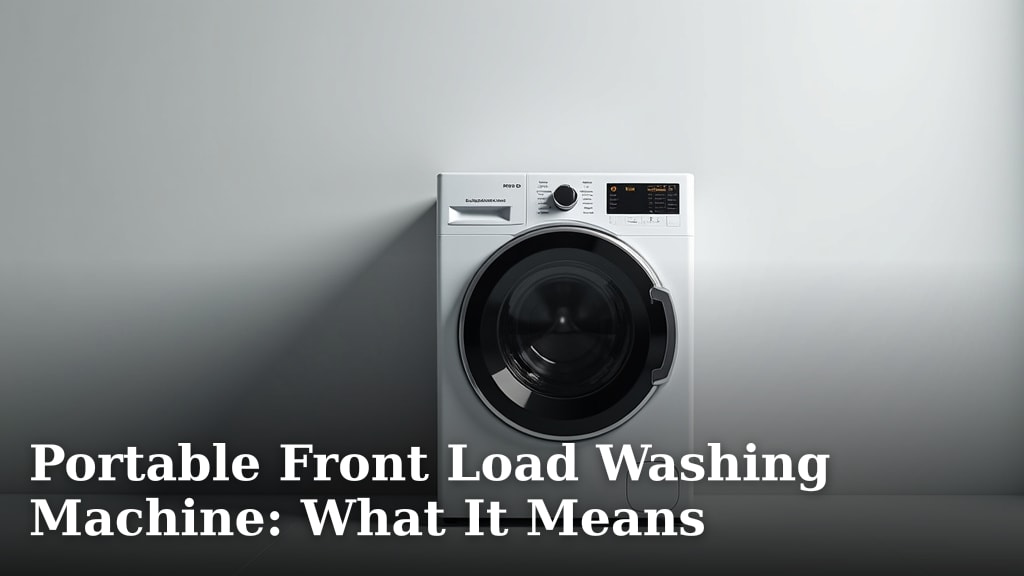
A portable front load washing machine is simply a compact version of a standard front load washer that is designed for easy movement. Unlike full-size machines, these models often feature smaller drums and weigh less, making them ideal for small living spaces like apartments, RVs, or even dorm rooms where a traditional washer won’t fit or can’t be permanently installed. You can easily hook them up to a sink for water and drain, and then store them away.
You might be wondering if these smaller units can still handle your laundry needs effectively. Many portable front loaders offer surprisingly good cleaning performance for their size, often using less water than top loaders. They are a smart choice when space is tight and you need the convenience of washing clothes at home without a major renovation or a bulky appliance. You get the benefits of a front load design in a convenient, portable package.
- Portable front loaders are small and movable washing machines.
- They are perfect for apartments, RVs, and dorms.
- Hookups are usually simple, often connecting to a sink.
- They offer front load benefits in a space-saving design.
- Look for energy efficiency and drum size for your needs.
Let’s dive into what makes these handy machines tick and what you should consider when looking for one.
Understanding Compact Front Load Washers
So, you’re curious about these little washing machines that are small enough to move around? A portable front load washer is essentially a smaller, more adaptable version of the washing machines you might see in a larger home. They are designed with portability in mind, meaning you can easily set them up in tight spaces and then store them away when not in use. They often connect to your regular sink for water supply and drainage, making installation a breeze.
You might be picturing a tiny machine that can barely handle a pair of socks. But surprisingly, these compact units pack a punch. They use the same tumbling action as their full-size front load counterparts, which is generally gentler on clothes and often more water-efficient. If you live in an apartment, an RV, or even a dorm room, and you’ve thought a washing machine was out of the question, you might be pleasantly surprised by what a portable front loader can do for you.
How They Work: The Plumbing and Power
The magic behind a portable front loader is its clever hookup system. Unlike permanent washing machines that require dedicated water lines and drain pipes, these portable units are designed for temporary connections. You typically get a hose adapter that fits onto your kitchen or bathroom faucet. This supplies the water needed for the wash and rinse cycles. When it’s time to drain, another hose, often called a drain hose, directs the wastewater into the sink basin.
This setup means you don’t need a plumber or any major renovations. You can connect the machine, do your laundry, and then disconnect it. Some models even have wheels, making them easy to roll out of the way to a closet or under a counter when you’re done. It’s like having a washing machine on demand, without the commitment of a full-size appliance.
Water Supply: Hooking Up to Your Sink
Connecting the water supply is usually the most straightforward part. Most portable front loaders come with a universal adapter that screws onto your existing faucet aerator threads. You simply unscrew the aerator, screw on the adapter, and then attach the fill hose. It’s a bit like attaching a garden hose to an outdoor spigot, but on a much smaller scale. We found that checking your faucet’s thread size beforehand can save a lot of hassle.
The fill hose is usually a strong, flexible tube. It connects securely to the adapter on your faucet and to the water inlet valve on the washing machine. Once connected, you turn on your faucet to let water flow into the washer. Many users find it helpful to place a towel around the connection point, just in case of any minor drips during setup.
Draining the Water: Where Does It Go?
The drain hose is equally important. This flexible tube carries the dirty water from the washing machine drum to your sink drain. It’s designed to sit securely over the edge of your sink, or sometimes it can be routed into the sink drain itself. Many users find that a simple hook or strap keeps the drain hose in place, preventing it from falling out during the drain cycle. This might sound a bit makeshift, but it’s a very effective system.
It’s important to ensure the drain hose is positioned correctly. If it’s too low, it could cause a siphoning effect, draining the water out too quickly. If it’s too high, the pump might struggle to push the water out. Most manufacturers provide clear instructions on the optimal height for the drain hose. We found that a slight downward slope from the washer to the sink is generally ideal for efficient drainage.
Key Features of Portable Front Load Washers
When you’re looking at these handy machines, you’ll notice they share some characteristics with their larger counterparts, but with some unique adaptations for portability. The most obvious difference is their size. They are significantly smaller and lighter than standard washing machines, making them suitable for smaller living spaces and easier to maneuver. This is their primary selling point, after all.
Beyond just size, there are other features to consider. The drum capacity is a big one. While they are compact, you can still find models with enough space for a decent load of laundry. Energy efficiency is also a factor, as these machines still consume electricity and water. And, of course, the wash programs and cycles offered will determine how well they can handle different types of fabrics and soil levels.
Size and Weight: Designed for Small Spaces
The dimensions of portable front loaders are a major consideration. They are built to fit into tighter spots, often measuring around 18-25 inches in width. This is considerably narrower than a standard 27-inch washer. Their height and depth are also reduced. The weight is another factor; while still substantial, they are manageable enough for one or two people to move, especially if they have wheels. This portability is what makes them ideal for renters or anyone who moves frequently.
We found that before purchasing, it’s wise to measure the exact space where you plan to put the machine. Don’t forget to account for the space needed to open the door and connect the hoses. A little extra room makes operation much smoother. It’s like finding the perfect puzzle piece for your laundry nook.
Drum Capacity: What Can You Fit?
The drum capacity is measured in cubic feet. For portable front loaders, you’ll typically see capacities ranging from about 0.8 to 2.0 cubic feet. This might not sound like much, but it can be enough for daily loads of clothes, towels, or bedding for one or two people. For example, a smaller capacity might handle about 5-8 pounds of laundry, while a larger portable unit could manage 10-15 pounds.
Think about your typical laundry needs. If you’re a single person doing a few loads a week, a smaller capacity might suffice. If you have a couple or a small family, you’ll want to look for the largest capacity you can find within the portable range. It’s a balancing act between space-saving and laundry-doing power. We found that many users successfully wash items like a week’s worth of shirts or a set of twin bedding in these machines.
Wash Cycles and Features: More Than Just Basic Washing
Don’t assume these small machines only have a basic wash and rinse. Many portable front loaders come with a variety of wash cycles, similar to their larger counterparts. You might find options for delicates, heavy-duty, quick wash, and even steam cycles. The control panels are usually user-friendly, with digital displays showing cycle time and options. Some advanced models even offer smart features, allowing you to control them via an app.
Water efficiency is often a strong point for front loaders, and these portable models are no exception. They tend to use less water per load compared to traditional top-loading machines. This can translate into lower utility bills and is better for the environment. When comparing models, look at the estimated water usage and energy star ratings. Many experts point to reduced water consumption as a key benefit of front load technology (Energy.gov).
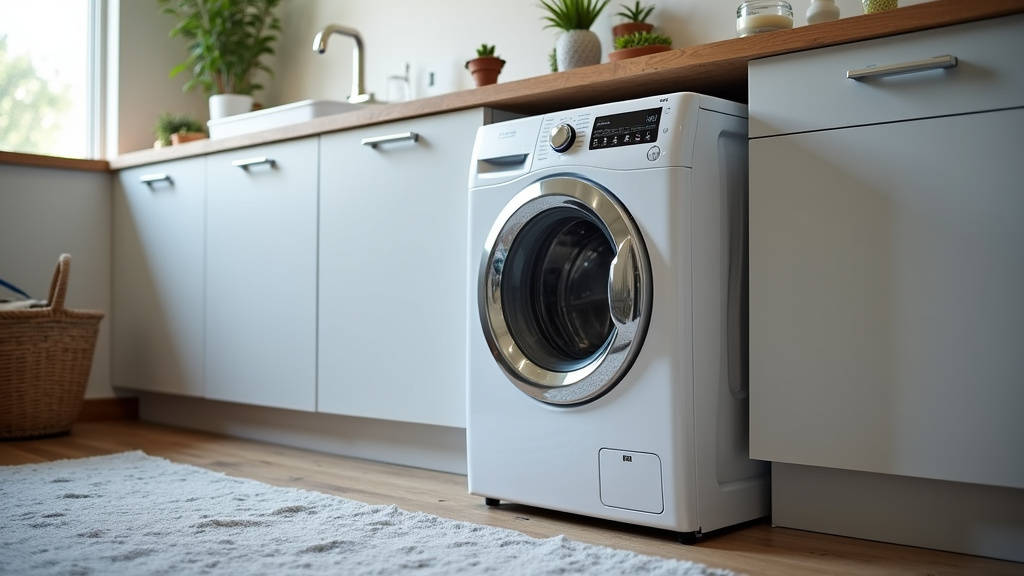
Who Needs a Portable Front Load Washing Machine?
These machines are a fantastic solution for a specific set of circumstances. Their primary appeal is their flexibility and space-saving design. If you’ve ever dreamed of doing laundry without leaving your home, but thought you didn’t have the space or the hookups, then this type of washer might be exactly what you need.
Think about your current living situation. Are you constantly hauling laundry baskets to a communal laundry room? Do you rely on laundromats? If the answer is yes, a portable front loader could save you time, money, and a lot of hassle. It brings the convenience of in-home laundry right to your doorstep, without the major commitment.
Apartment Dwellers and Renters
For those living in apartments, especially older buildings, installing a full-size washing machine might be impossible. Building codes, plumbing limitations, or landlord restrictions can all stand in the way. A portable front loader bypasses these issues entirely. Its temporary hookups mean no permanent changes are required, making it ideal for renters who don’t want to lose their security deposit. You can easily set it up in your kitchen or bathroom, and then pack it up when you move.
RV and Mobile Home Owners
Life on the road or in a mobile home often means limited space. A portable front load washer offers a practical solution for keeping up with laundry without taking up valuable room. Many RV owners integrate these compact washers into their existing cabinetry or utility areas. The ability to simply hook up to a water source and drain into a sink or grey water system makes them perfect for this lifestyle.
Dorm Room Students
College dorms are notoriously small. Lugging laundry across campus can be a chore, especially during busy academic periods. A compact, portable washer can be a game-changer for students. It allows for discreet, convenient laundry right in their living space, saving time that can be better spent studying or socializing. Of course, checking dorm rules regarding appliance use is always a good first step.
Anyone with Limited Space or Mobility Issues
Beyond these specific groups, anyone who faces space limitations can benefit. This could include people living in small studios, tiny homes, or even those looking for a secondary laundry solution on a different floor of their house. Furthermore, individuals with mobility challenges might find the ease of loading and unloading a front-loader, combined with its portable nature, to be a significant advantage over traditional machines.
What to Look for When Buying
Choosing the right portable front load washer involves considering a few key factors to ensure it meets your specific needs. It’s not just about picking the smallest one available. You’ll want to think about capacity, efficiency, and ease of use. Making an informed decision will help you find a machine that makes your laundry routine much simpler. Choosing the right portable front load washer involves considering key factors to ensure it meets your specific needs.
Consider the wash cycles you’ll use most often. Do you need a delicates cycle? A heavy-duty option? Most models offer standard cycles, but some provide more specialized programs. Also, pay attention to the noise level. While manufacturers don’t always list decibel ratings for portable units, reading user reviews can give you a good idea of how quiet or loud a machine is. Nobody wants a noisy appliance, especially in a small living space.
Capacity vs. Footprint
This is the classic trade-off. You want the largest drum capacity your laundry needs demand, but you also need it to fit within your available space. Measure carefully! We found that understanding the external dimensions is critical. A machine might look compact in photos, but its actual size might be too large for your intended spot. Always check the product specifications for width, depth, and height.
Think about how much laundry you do at once. If you’re washing for one person, a smaller capacity might be fine. For a couple, you’ll likely need something in the mid-range. Avoid buying a machine that’s too small, or you’ll end up running loads constantly. Conversely, don’t buy one that’s too large if you simply don’t have the room.
Water and Energy Efficiency Ratings
Look for the Energy Star certification. Appliances with this label are independently certified to be more energy-efficient than standard models. This means they use less electricity and water, saving you money on utility bills over time. While portable units are inherently smaller and use less energy than full-size ones, choosing an Energy Star model maximizes these savings. Guidelines from Energy.gov show that Energy Star certified washers can save significant amounts of energy and water.
Water usage is also important, especially if you are on a water meter or live in an area with water restrictions. Front load washers, in general, are known for their water efficiency. Portable models typically use only about 10-20 gallons of water per load, compared to 30-40 gallons or more for some older top-loaders. This is a considerable saving.
Ease of Setup and Use
How easy is it to connect and disconnect? Most portable front loaders are designed for simplicity. Check what comes included: a faucet adapter, fill hose, and drain hose? Are the instructions clear? Many users appreciate models where the hookups are intuitive and require no special tools. A quick setup and takedown process is a huge convenience.
The control panel should be easy to understand. Are the buttons clearly labeled? Is there a digital display showing the remaining time? Some people prefer simple dial controls, while others like the modern look of digital displays. Reading reviews can offer insights into the user-friendliness of the controls.
Here’s a quick checklist to help you choose:
- Measure your space carefully, including door swing room.
- Determine the drum capacity you need for your laundry loads.
- Check for Energy Star certification for efficiency.
- Read reviews on ease of setup and operation.
- Consider the number and type of wash cycles offered.
- Verify that the included hose and adapter fit your faucet.
Conclusion
You’ve learned that a portable front load washing machine is a clever solution for anyone needing laundry convenience without the space or setup of a full-size unit. These compact, movable washers connect easily to your sink, bringing the power of front-load washing to apartments, RVs, dorms, or any small living space. By carefully considering drum capacity, dimensions, and efficiency ratings, you can find a model that perfectly fits your needs and your home.
Ready to make laundry day easier? Measure your space and start comparing portable front load washer models today to find the one that fits your lifestyle.
Frequently Asked Questions
Can a portable front load washer really clean clothes well?
Yes, portable front load washers use the same tumbling action as larger front-load machines. This gentle yet effective method cleans clothes thoroughly and is often more water-efficient than traditional top-loaders. Many users find they get great results for their everyday laundry needs.
How much laundry can a portable front load washer handle?
Drum capacities typically range from about 0.8 to 2.0 cubic feet. This is enough for about 5-15 pounds of laundry per load, depending on the model. It’s generally suitable for singles, couples, or small families doing smaller, more frequent loads.
Is setting up a portable washer difficult?
No, setup is designed to be simple. Most models come with adapters and hoses to connect directly to your kitchen or bathroom sink for water supply and drainage. It usually doesn’t require tools or permanent plumbing changes, making it very user-friendly.
Will a portable front load washer fit in my small apartment?
Absolutely. These machines are specifically designed for small spaces, often measuring around 18-25 inches wide. Always measure your intended spot, including room to open the door and connect hoses, to ensure a good fit before purchasing.
Are portable front load washers energy efficient?
Many portable front load washers are designed for efficiency and some carry the Energy Star certification. They generally use less water and electricity than larger machines due to their smaller size and front-load design. Look for the Energy Star label when comparing models to maximize savings.