Portable Automatic Washing Machine: The Basics
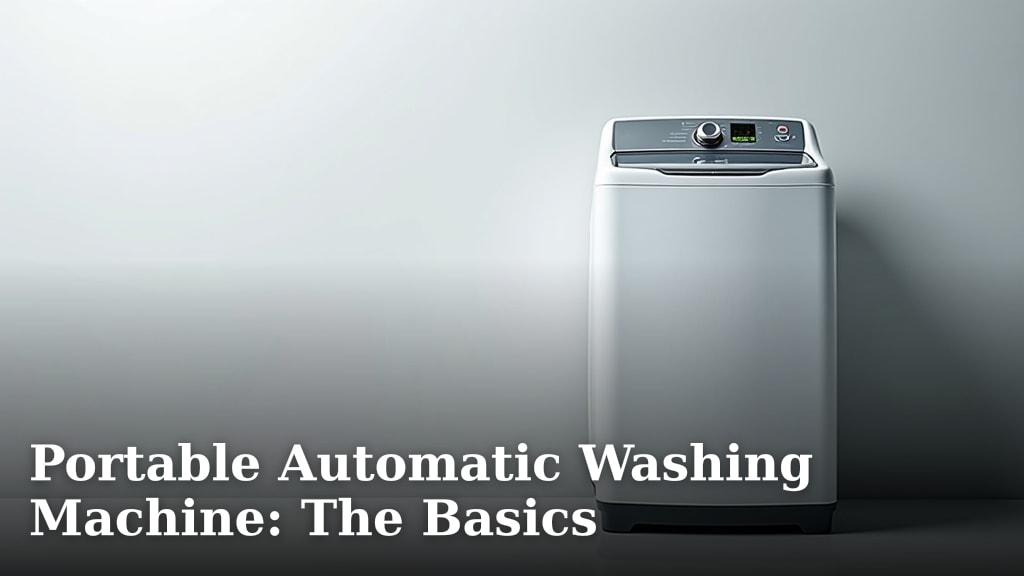
A portable automatic washing machine is a compact, self-contained appliance designed to wash clothes automatically without needing a permanent plumbing connection. These machines are perfect for small living spaces like apartments, RVs, or dorm rooms where traditional laundry hookups aren’t available. They offer the convenience of washing your clothes on your own schedule, just like a larger machine.
We’ve found that these space-saving devices are becoming increasingly popular for people seeking laundry solutions that fit their lifestyle and living situation. They typically operate by being filled with water manually and then draining into a bucket or sink, making them incredibly versatile. You can get your laundry done without leaving your home, which is a huge plus for many shoppers.
- Portable automatic washing machines wash clothes automatically.
- They are ideal for small spaces and temporary living.
- No permanent plumbing connections are required.
- Easy to set up and drain manually.
Let’s break down the basics of portable automatic washing machines and see if one might be the right fit for your laundry needs.
You’ve seen them, right? Those little washing machines that look like they belong in an RV or a tiny studio apartment. They’re not just for campers anymore. Portable automatic washing machines are popping up everywhere, and for good reason. They solve a big problem for a lot of people: how to do laundry without a full-sized hookup. But what exactly *are* they, and how do they work? Let’s get down to the nitty-gritty.
Understanding Your Portable Washer Options
These handy machines offer automatic washing cycles without the need for permanent plumbing. Think of them as scaled-down versions of your home washing machine. They are designed for convenience and ease of use. You can wash a load of laundry right in your own space. This is a big deal if you live in an apartment or dorm. It saves you trips to a laundromat or shared laundry room.
What Makes a Washer “Portable” and “Automatic”?
The term “portable” means it’s not a fixed appliance. You can move it around easily. It doesn’t require special installation. You can often just plug it into a regular outlet. Some models are small enough to fit on a countertop. Others are freestanding but still light enough to carry. The “automatic” part is key. It means the machine handles the entire wash cycle. This includes filling with water, agitating, spinning, and draining. You don’t have to manually move clothes between cycles.
Key Features to Look For
When you’re looking at portable automatic washers, a few things stand out. Most have pre-set wash programs. These are like the settings on a full-sized washer, such as “Normal,” “Delicate,” or “Quick Wash.” You’ll also see options for water temperature and spin speed. Capacity is another big factor. These machines are much smaller than standard ones. They usually handle only 1 to 3 cubic feet of laundry. That’s typically about 5 to 15 pounds of clothes per load. So, they’re great for small loads or individuals.
Materials and Build Quality
Most portable washers are made with durable plastic exteriors. This keeps them lightweight. Inside, you’ll find stainless steel drums for most models. Stainless steel is great because it won’t rust and is gentle on your clothes. Some lower-end models might use plastic drums, which can be less durable over time.
How Do They Connect to Water and Power?
This is where the “portable” aspect really shines. They don’t need a dedicated water line like a full-sized washer. Usually, you’ll connect a hose to a nearby faucet. Many come with adapters for standard kitchen or bathroom sink faucets. You fill the machine with water manually, or the hose does it for you. Once the wash cycle is done, you’ll need a place to drain the dirty water. Often, this means draining into a sink, shower, or a large bucket. You’ll need a standard electrical outlet to power the machine, just like any other appliance.
Common Setup and Drainage Methods
Setting one up is usually pretty simple. You’ll place the machine where you want it. Connect the water inlet hose to your faucet. You might need to secure it with a clamp. For drainage, you’ll typically have a drain hose that hangs over the edge of a sink. Or, it might connect to a bucket placed nearby. Some advanced models even have a small pump to help drain the water. You just need to make sure the drain hose is lower than the water level in the tub for gravity to do its work.
Pros and Cons of Using a Portable Washer
Like any appliance, portable automatic washing machines have their good points and their not-so-good points. Understanding these will help you decide if one is right for you.
The Advantages You’ll Appreciate
The biggest plus is undoubtedly the convenience. You can do laundry whenever you want, without leaving your home. This is a huge time-saver. They are also incredibly space-saving. If you live in a small apartment, a dorm room, or an RV, a traditional washer just won’t fit. These units are often compact enough to tuck away when not in use. Many people also find them to be more energy-efficient than larger machines. They use less water per cycle because they are smaller. This can lead to lower utility bills. Plus, they are often cheaper to buy than full-sized automatic washers.
Where They Might Fall Short
On the flip side, the capacity is the most significant limitation. You can’t wash large items like comforters or heavy blankets. You’ll also be doing more loads for a family. The manual draining can be a bit of a hassle. You have to actively manage where the water goes. This can be awkward if you don’t have easy access to a sink or drain. Some users also find the spin cycles aren’t as powerful as those on full-sized machines. This means your clothes might come out wetter. You might need to spend more time air-drying them. Finally, while they are automatic, the cycles can sometimes be shorter or less thorough than what you’d get with a larger machine. This might mean clothes aren’t as clean after a very quick wash.
Is a Portable Washer Right for Your Living Situation?
We found that these machines are ideal for people who have limited space. This includes apartment dwellers, college students, and RV owners. They are also great for individuals or couples with lighter laundry needs. If you need to wash large loads or bulky items frequently, this might not be your best bet. But for everyday essentials, they offer a great solution. They are a practical way to avoid laundromats.
Types of Portable Automatic Washing Machines
While they all serve a similar purpose, portable automatic washers come in a few main varieties. Knowing the differences can help you pick the best one for your needs.
Single Tub vs. Double Tub Designs
Single tub machines are the most common. They have one drum that does both washing and spinning. You load your dirty clothes, add water and detergent, and the machine handles the rest. Double tub models are a bit different. They have two separate tubs: one for washing and one for spinning. You wash clothes in the first tub, then manually transfer them to the second tub for spinning. These are often simpler and less expensive, but they require more manual effort.
Compact vs. Mid-Size Models
Portable washers are categorized by their size and capacity. Compact models are usually small enough to sit on a countertop. They have the smallest capacities, often around 1-2 cubic feet. Mid-size models are freestanding and larger, with capacities ranging from 2 to 3 cubic feet. These are still considered portable but offer more washing power per load. The choice depends on how much space you have and how much laundry you typically do.
Features to Compare
When you’re comparing models, look at the wash programs available. Do they meet your needs? Check the power consumption if you’re concerned about electricity usage. Also, consider the noise level. Some machines are quieter than others. The dimensions are critical for fitting them into your space. And don’t forget the drainage system. Is it a simple hose, or does it include a pump?
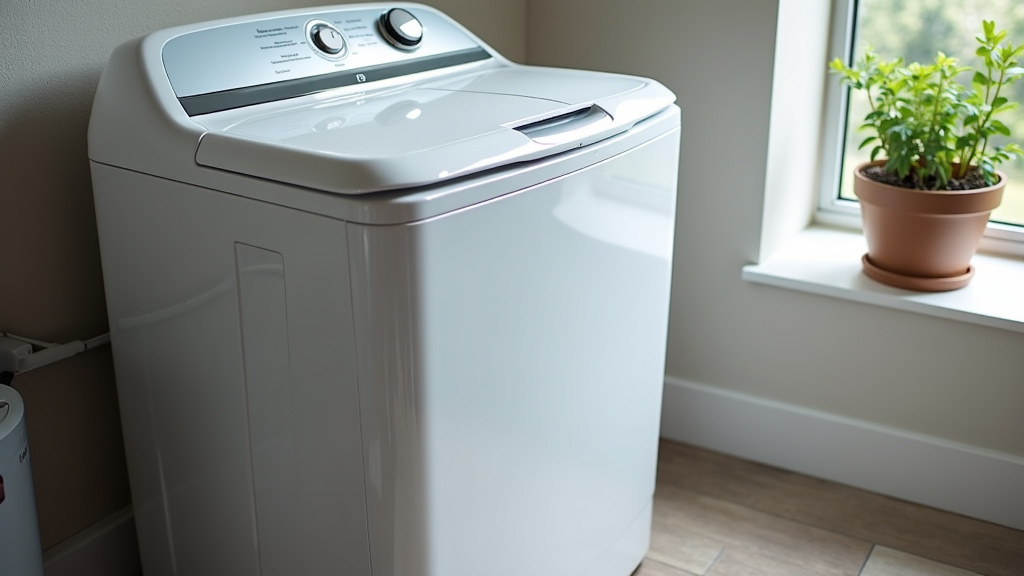
A Quick Checklist for Choosing Your Washer
Here’s a short list to help you decide if a portable automatic washer is your next best friend:
- Do you have limited space for a traditional washer?
- Do you have easy access to a water source (like a faucet) and a drain (sink, shower, or bucket)?
- Do you typically wash small to medium loads of laundry?
- Are you comfortable with manual filling and draining processes?
- Are you looking for a more affordable and energy-efficient laundry solution?
If you answered “yes” to most of these, then a portable automatic washing machine might be exactly what you’re looking for. They offer a practical way to handle your laundry needs, even in the tightest living quarters.
Conclusion
You’ve learned the essentials of portable automatic washing machines. These compact wonders offer a practical laundry solution for smaller living spaces and busy lifestyles. They eliminate the need for permanent hookups, providing convenience and flexibility. While their capacity is limited and manual draining is required, the advantages of space-saving and on-demand washing are clear. Consider your laundry habits and available space carefully.
Your next step is to measure your available space and compare the capacities and features of different models to find the perfect fit for your needs. Make an informed choice to bring laundry convenience right into your home.
Frequently Asked Questions
How much water do portable washing machines typically use?
Portable automatic washers generally use less water than full-sized machines because they are smaller. You’ll fill them manually or via a hose, so the amount depends on the load size and your settings. We found that many models are designed to be water-efficient for their size.
Can I use a portable washing machine in an RV?
Yes, portable automatic washing machines are excellent for RVs. Their compact size and lack of permanent plumbing make them ideal for mobile living. You’ll need access to a water source and a place to drain the water, which are common considerations in an RV setup.
Do portable washers require special electrical outlets?
No, portable automatic washing machines typically plug into a standard household electrical outlet, just like other small appliances. Always check the specific voltage and amperage requirements for the model you are considering.
How often do I need to clean a portable washing machine?
We recommend cleaning your portable washer regularly, similar to a full-sized machine. This usually involves running a cleaning cycle with vinegar or a specialized cleaner to prevent mold and mildew. Wiping down the interior and exterior after use also helps maintain it.
Are portable washing machines noisy?
The noise level can vary between models. Some are designed to be quieter, while others might produce more sound during the wash and spin cycles. Reading reviews can give you a good idea of a specific model’s noise level before you buy.