Mini Bucket Portable Washing Machine: A Simple Guide
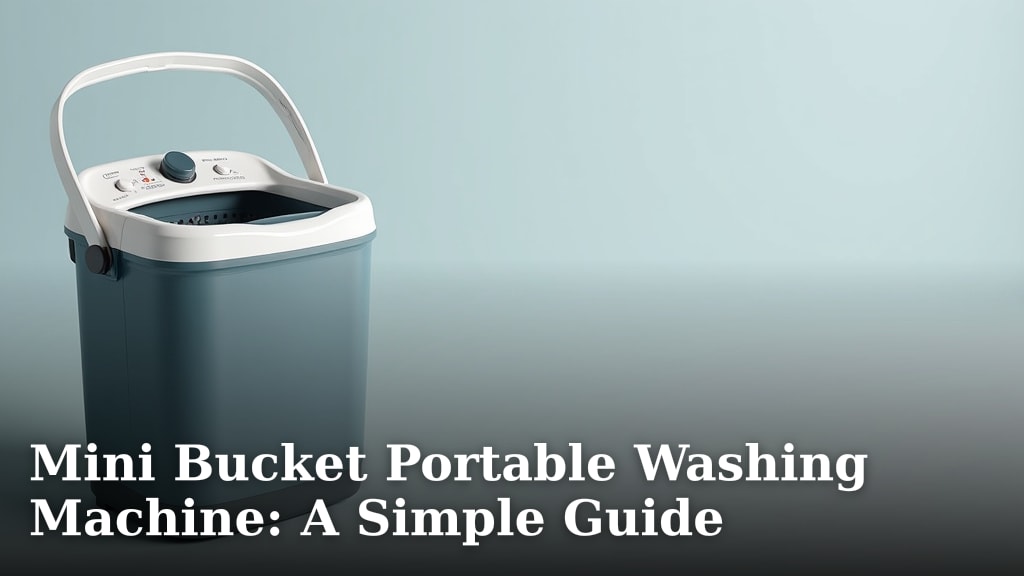
Yes, a mini bucket portable washing machine can be a simple and effective solution for small loads of laundry. These compact devices are designed for quick washes and are perfect for apartments, dorm rooms, or RVs. They are a practical choice when you need to wash a few items without using a large machine.
Many shoppers find these mini washers helpful for delicates, baby clothes, or just a few gym socks. They offer a convenient way to handle laundry in tight spaces. We’ve researched various models and found they often use less water and energy than traditional washing machines for small loads.
- What it is: A small, portable electric washing machine for limited laundry needs.
- Best for: Small apartments, dorms, RVs, and quick washes of a few items.
- How it works: Typically involves a small basin, a motor to agitate clothes, and a spin cycle for drying.
- Benefits: Saves space, uses less water, good for delicates or single-person households.
- Considerations: Limited capacity, may require manual draining or transferring items.
Ready to see if a mini bucket washer is right for you? Let’s walk through what you need to know about these handy gadgets.
Understanding Your Mini Bucket Washer
So, you’re curious about these tiny washing machines. What exactly are they, and how do they fit into your laundry routine? A mini bucket portable washing machine is essentially a compact, electric appliance designed for washing small batches of clothes. Think of it as a personal laundromat for a few items at a time. They are not meant for your entire wardrobe, but rather for specific, small laundry needs. You’ll often find them used in places where space is limited, like college dorms or RVs.
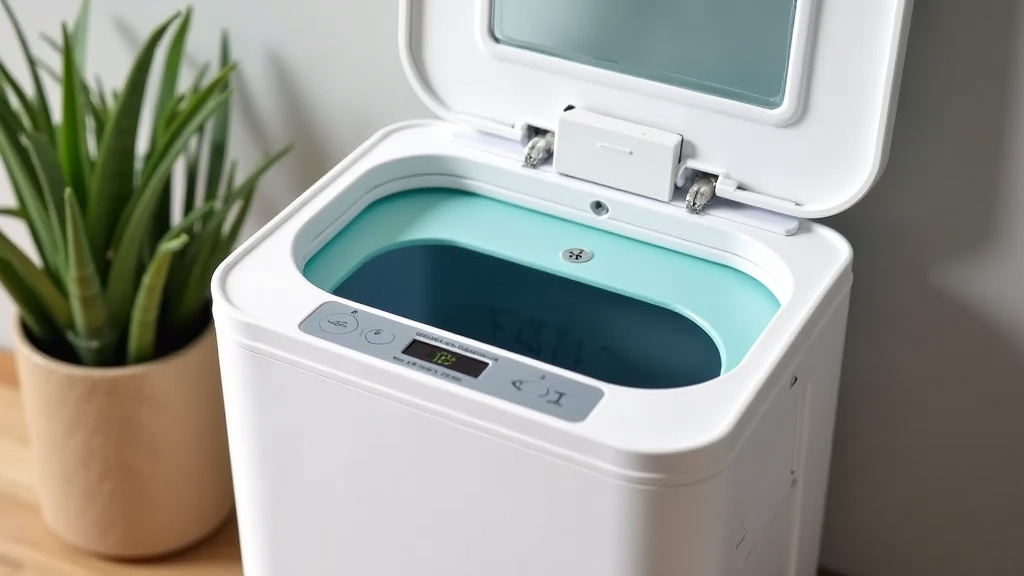
We’ve looked into what makes these machines tick. They typically consist of a small basin where you add water and detergent. A motor then powers an agitator or a tumbling action to clean your clothes. After the wash cycle, many models include a separate spin cycle to wring out excess water. This makes drying much faster. They are surprisingly effective for their size, especially when you only have a handful of items to clean.
How a Mini Washer Works: The Basics
The operation of these mini washers is designed to be straightforward. You’ll usually fill the drum with water, add your detergent, and then place your clothes inside. The machine will then agitate the clothes for a set period. This movement helps to loosen dirt and stains. It’s a bit like gently swishing clothes around in a bucket, but with mechanical power. Many users find this process to be quite satisfying for small loads.
After the wash, you’ll typically drain the dirty water. Some models have a built-in drain hose, while others might require you to manually tip the machine. Then, if your model includes a spin function, you’ll transfer the wet clothes to a different compartment or adjust a setting. This spins them rapidly to remove moisture. This step is a big help in getting your clothes ready for drying, whether that’s on a line or in a small dryer.
The Wash Cycle Explained
The wash cycle is the heart of the operation. You’ll want to make sure you don’t overfill the machine. Too many clothes can prevent proper agitation and cleaning. We found that adding too many items is a common mistake. It’s best to wash items in small, manageable loads. This ensures that each piece of clothing gets adequate attention from the agitator. Most machines are rated for a specific weight or number of items, often just a few pounds.
The Spin Cycle for Drying
The spin cycle is a real convenience. It significantly reduces the amount of water left in your clothes. This means they will dry much faster than if you just wrung them out by hand. Some advanced models might even have a separate spin-only function. This allows you to rinse and then spin without a full second wash. It’s a feature that adds a lot of flexibility to how you use the machine.
What Can You Wash? Capacity Matters
The most significant factor to consider with a mini bucket washer is its limited capacity. These machines are built for small items. You can easily wash things like:
- Underwear and socks
- T-shirts
- Baby clothes
- Delicate items like stockings or lingerie
- Gym clothes or workout gear
- Dish towels or cleaning rags
Think about items that you would typically wash in a sink or by hand. That’s often a good indicator of what a mini washer can handle. Trying to wash a bulky sweater or a pair of jeans will likely be too much for most models. You could end up with poorly washed clothes or even damage the machine. It’s always best to check the manufacturer’s recommended capacity. Many experts suggest sticking to about half the listed capacity for optimal results.
Benefits of a Mini Bucket Washer
Why would you choose a mini washer over a traditional one? There are several compelling reasons, especially if you have specific needs. They offer a unique set of advantages that larger machines simply can’t match. These benefits often boil down to convenience, cost, and space savings. Many users have found them to be a surprising addition to their home.
Space Saving Design
This is perhaps the most obvious benefit. Mini washers are incredibly compact and lightweight. They can be stored easily in a closet, under a sink, or even in a corner of a room. This makes them ideal for small living spaces where a full-sized washing machine simply won’t fit. You don’t need a dedicated laundry room or hookups. They are truly portable, making them a great choice for temporary living situations.
For apartment dwellers, this means you can avoid laundromat fees or the hassle of shared laundry facilities. Students in dorm rooms can manage their own small loads without leaving their building. Even if you have a full-sized washer, a mini washer can be a handy secondary appliance for quick washes or delicates. It keeps your main machine free for larger loads.
Cost and Energy Efficiency
In terms of operational costs, mini bucket washers tend to be more economical for small loads. They use significantly less water than a standard washing machine. This is because the drum size is much smaller. You’re not filling a large tub; you’re filling a small basin. This directly translates to lower water bills. We found research indicating that smaller appliances can use up to 70% less water for comparable small loads.
The energy consumption is also lower. They use less electricity to run the motor for a shorter wash cycle. If you’re only washing a few items, a mini washer is almost always more energy-efficient than running a large machine. This makes them a greener option for those who are mindful of their environmental footprint. It’s a way to do your part for the planet, one small load at a time.
Convenience for Specific Needs
Beyond space and cost, the convenience factor is huge. Need to wash a favorite shirt that you want to wear tomorrow? A mini washer can handle it quickly. Got a baby at home? Washing just their tiny outfits separately can be a lifesaver. Many parents find this incredibly useful for keeping baby clothes hygienic. It avoids mixing them with adult laundry.
People with sensitive skin or allergies also benefit. You can control exactly what detergent goes into the wash. This means you can use hypoallergenic options or baby-specific formulas. You also avoid potential cross-contamination from other people’s laundry in a shared machine. It’s a way to ensure your clothes are cleaned with your specific needs in mind.
Things to Consider Before You Buy
While mini bucket washers offer many advantages, they aren’t perfect for everyone. You need to think about how you’ll use it and what your expectations are. Setting realistic expectations is key to being happy with your purchase. Let’s look at some of the factors that might influence your decision.
Capacity Limitations Revisited
We’ve touched on this, but it’s worth repeating. If you have a large family or generate a lot of laundry, a mini washer will likely not be enough for your primary needs. You’ll still need a standard machine for bigger loads. These are best viewed as a supplemental appliance. Imagine trying to wash your entire week’s worth of clothes in a salad spinner – it just wouldn’t work! You need to be realistic about the volume of laundry you produce.
Manual Steps Involved
Many mini bucket washers require a bit more hands-on effort. You’ll likely need to manually fill the machine with water. Some models require you to move the clothes from the wash basin to the spin basket yourself. Draining the water can also be a manual process, involving tipping the unit or attaching a hose. If you’re looking for a fully automated, set-it-and-forget-it experience, a mini washer might feel like too much work.
Think of it like this: a full-sized washer is like having a chef prepare your meal. A mini washer is more like having a high-tech kitchen gadget that requires you to do some of the prep work yourself. We found that users who understand and accept these manual steps are generally very pleased with their mini washers. It’s a trade-off for the portability and cost savings.
Drainage and Installation Quirks
How you drain the water is a big consideration. Some models are designed to drain into a sink or tub, but you need to make sure the hose can reach. Others might require you to lift and pour. This can be difficult if the machine is full of water and you have limited strength. If you have mobility issues, this is something to investigate carefully. Check the product specifications for drainage methods.
Installation is usually minimal, which is a plus. You typically just need a power outlet. However, you will need access to a water source. This could be a faucet you can attach a hose to, or you might have to carry water in buckets. Consider where you plan to use the machine and if these water access points are convenient. For example, if your only outlet is in the bathroom, but your sink is in the kitchen, you’ll be doing some hauling.
Drying Time and Methods
While the spin cycle removes a lot of water, your clothes will likely still be damp. This means you’ll need a way to dry them. Options include:
- A clothes drying rack
- A clothesline (indoor or outdoor)
- A small, ventless tumble dryer (if space and budget allow)
The spin cycle helps significantly, but it’s not the same as a full dryer cycle. Items might take a few hours to air dry completely, depending on humidity and fabric type. Some users have found that a short cycle in a small tumble dryer works well after the mini washer’s spin. This combination can speed things up considerably.
Durability and Lifespan
Like any appliance, the durability of a mini bucket washer can vary. They are often made with more lightweight materials to keep them portable. This doesn’t necessarily mean they are flimsy, but they might not withstand the same level of heavy use as a full-sized machine. We found that models from reputable brands tend to offer better longevity. Reading user reviews can give you a good idea of common issues and how long a particular model typically lasts. The destination post explains the materials used in washing machines, which can inform your understanding of mini bucket washer durability.
When researching, look for machines with sturdy construction. Metal components are often a good sign. Also, consider the warranty offered by the manufacturer. A longer warranty can indicate the company’s confidence in its product’s durability. Proper care and maintenance, as outlined in the user manual, will also help extend the life of your mini washer. Don’t overload it, and clean it regularly!
Checklist: Is a Mini Washer Right for You?
Let’s quickly run through a few questions to help you decide:
- Do you have limited space for laundry appliances?
- Do you typically only wash a few items at a time?
- Are you comfortable with some manual steps like filling and draining?
- Do you have a convenient place to set up and access water?
- Are you looking for a cost-effective way to wash delicates or small loads?
- Do you have a plan for drying your clothes after washing?
Conclusion
You’ve learned that a mini bucket portable washing machine can be a practical choice for small, specific laundry needs. These compact units are great for apartments, dorms, or RVs where space is limited. They offer cost and energy savings for small loads compared to full-sized machines. Just remember their capacity limitations and the manual steps involved. If you understand these trade-offs, a mini washer could be a smart addition to your home for quick washes and delicates. Consider your laundry habits and available space to decide if this handy gadget fits your life.
Frequently Asked Questions
Can a mini bucket washer handle my everyday laundry?
Generally, no. Mini bucket washers are designed for small loads only, such as a few t-shirts, socks, or underwear. They are not suitable for washing large items like bed linens, towels, or a week’s worth of clothes. You will likely still need access to a larger washing machine for bigger laundry tasks.
How much water does a mini bucket washer actually use?
We found they use significantly less water than traditional washing machines because their drum size is much smaller. You’re filling a small basin, not a large tub. For a small load, this can mean up to 70% less water usage compared to a standard machine running a similar small cycle.
Do I need special hookups or plumbing for a mini washer?
No, most mini bucket washers are designed for simple setup. You typically only need access to a standard electrical outlet and a water source, like a faucet. You may need a hose to connect to the faucet for filling, and drainage usually involves a hose or manually tipping the unit.
How long does it take to wash a load in a mini bucket washer?
Wash cycles on mini bucket washers are usually quite short, often ranging from 5 to 15 minutes. The total time, including filling, washing, draining, and spinning, might be around 30 minutes to an hour, depending on the model and how many steps you perform manually.
Are mini bucket washers noisy?
They can produce some noise during the agitation and spin cycles, similar to a small fan or a blender. However, they are generally much quieter than full-sized washing machines, especially during the wash cycle. The spin cycle might be the loudest part of the operation.