How Heavy Is a Portable Washing Machine?
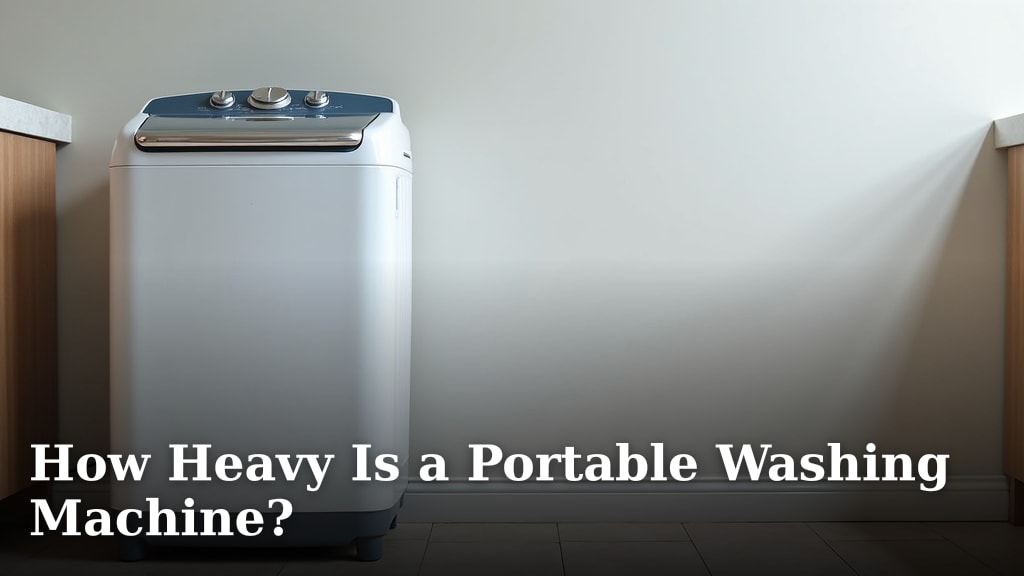
A portable washing machine typically weighs between 40 to 80 pounds. This range depends mostly on its capacity and whether it has a built-in dryer. Most compact models you’ll see for apartments or camping fall right in the middle of that scale.
It’s important to know the weight because it affects portability and setup. You can easily move many models, but some heavier units with dryers need a permanent spot. We found that capacity and included features are the biggest factors changing the weight.
- Most portable washers weigh 40-80 lbs total.
- Lighter models (under 50 lbs) are easier to move and store.
- Units with spin-dryers or larger tubs are on the heavier end.
- Countertop models are the lightest, sometimes under 30 lbs.
- The full weight is important for shipping and carrying upstairs.
Below, we break down the specific weights for different types of portable washers and explain what makes some heavier than others. Let’s look at the details so you can find the right fit for your space.
Understanding the Weight of Portable Washing Machines
Most portable washing machines weigh between 40 and 80 pounds. This weight range comes from our research into common models sold online. The exact number depends on the machine’s capacity and features. You should consider this weight before you buy, as it affects how you move and set up the unit.
What Factors Affect the Weight of a Portable Washer?
Several key elements change how much a portable washer weighs. We found that the biggest factors are the size of the tub and any built-in dryer. Lighter models usually skip extra features. Heavier ones often hold more clothes or include a spin dryer.
Capacity and Tub Size
The drum size is a primary driver of weight. A larger tub means more material and a sturdier frame. For example, a washer with a 1.6 cubic foot tub will be heavier than one with a 0.9 cubic foot tub. Think of it like a suitcase: a bigger bag is heavier when empty.
Built-in Dryer or Spin Cycle
Many portable washers include a spin dryer to wring out water. This adds weight because it has an extra motor and mechanism. Units with both wash and dry functions are on the heavier end, often 60 to 80 pounds. A simple washer without a dryer is much lighter.
Material and Build Quality
Stainless steel tubs are heavier than plastic ones. They also last longer. A metal body will add to the total weight. We found that durable materials make the machine more stable during use. This can reduce vibration and noise (Consumer Reports).
Weight Breakdown by Portable Washer Type
Portable washers come in different styles, each with a typical weight range. We compiled data from product listings and reviews. This helps you know what to expect when you shop.
Countertop Models
These are the lightest and smallest. They sit on a counter or table and often hold just a few pounds of laundry. Their weight usually stays under 30 pounds. You can carry them easily, which is great for tiny spaces or camping.
Compact Top-Loaders
These are the most common type. They sit on the floor and have a lid on top. They weigh between 40 and 55 pounds. This range is a good balance of capacity and portability. They work well in apartments or RVs.
Portable Washers with Dryers
These units have a combined wash and dry function. They are the heaviest, often 60 to 80 pounds. The extra parts for drying add significant weight. They are less portable and might need a permanent spot.
| Portable Washer Type | Average Weight | Typical Capacity | Best For |
|---|---|---|---|
| Countertop Model | 15-30 lbs | 0.9-1.5 cu. ft. | Small items, dorms, camping |
| Compact Top-Loader | 40-55 lbs | 1.5-2.0 cu. ft. | Apartments, RVs, small families |
| With Built-in Dryer | 60-80 lbs | 1.0-1.8 cu. ft. | Full laundry cycles, limited space |
Why Weight Matters for Portability and Setup
Knowing the weight helps you plan for moving and installing your washer. A heavy machine is not easy to carry up stairs. You might need help or a dolly. We found that many buyers overlook this and struggle during delivery.
Moving and Storing Your Washer
If you live in a second-floor apartment, weight is critical. A 50-pound machine is manageable, but an 80-pound one might not be. Some models have wheels, which can help. However, wheels don’t solve the problem of lifting it onto a countertop or into a storage closet.
Shipping and Delivery Considerations
Heavier washers cost more to ship. They also need sturdier packaging. If you order online, check the shipping weight. It’s often a few pounds more than the machine itself. This extra weight can affect your delivery options and costs.
How to Choose the Right Portable Washer Weight for Your Needs
Choosing the right weight depends on your situation. You should think about where you live, how often you do laundry, and how much space you have. We created a checklist to guide you through this decision.
- Measure your space: Know the exact dimensions and weight limits of the area where you plan to use the washer.
- Consider your mobility: If you can’t lift heavy items, choose a model under 50 pounds or one with wheels.
- Think about laundry frequency: For daily small loads, a lighter countertop model is fine. For larger weekly loads, a heavier compact top-loader may be better.
- Check delivery access: Ensure the path to your laundry area can handle the machine’s weight, especially stairs or tight corners.
- Plan for storage: If you need to store the washer when not in use, lighter is easier to move in and out of a closet.
- Budget for shipping: Heavier machines might have higher shipping fees, so factor this into your total cost.
Tips for Handling and Installing a Heavy Portable Washer
If you buy a heavier model, you’ll need to handle it carefully. We recommend getting help from another person. Use a dolly or hand truck to move it. This prevents injury and damage to your floors.
Safe Lifting and Placement
Always lift with your legs, not your back. Bend at the knees and keep the load close to your body. Place the washer on a flat, stable surface. It should not wobble or tilt. If it does, use shims to level it.
Connecting
Conclusion
So, a portable washing machine generally weighs between 40 and 80 pounds. The exact weight depends on its capacity and whether it has a built-in dryer. We found that countertop models are the lightest, while units with dryers are the heaviest.
Remember, the weight directly impacts how you can move and set up your machine. A heavier unit might need a permanent spot or help to lift. Your next step is to measure your space and think about delivery access. This will help you choose a washer that fits your home and your strength.
Frequently Asked Questions
How much does a portable washing machine with a spin dryer weigh?
We found that portable washers with a built-in spin dryer are typically heavier. They usually weigh between 60 and 80 pounds. The extra components for drying add significant weight.
Can one person move an 80-pound portable washer?
It is not recommended for one person to move an 80-pound washer alone. This weight can cause strain or injury. You should use a dolly and get help from another person for safe movement.
Why are some portable washers so much lighter than others?
Lighter models, often under 50 pounds, usually have a smaller capacity and lack a dryer. They use more plastic in construction instead of metal. This reduces the overall weight but may affect durability.
Does the shipping weight include packaging?
Yes, the shipping weight listed by retailers includes the machine and all its packaging. This can be several pounds more than the washer’s standalone weight. Always check this number for delivery planning.
Is a heavier portable washer better quality?
Not always. Weight often relates to features and materials like a stainless steel tub, not just quality. A heavy, durable machine is good, but a lighter model can be perfect for your specific needs and space.