Heavy Duty Portable Washing Machine: A Beginner’s Guide
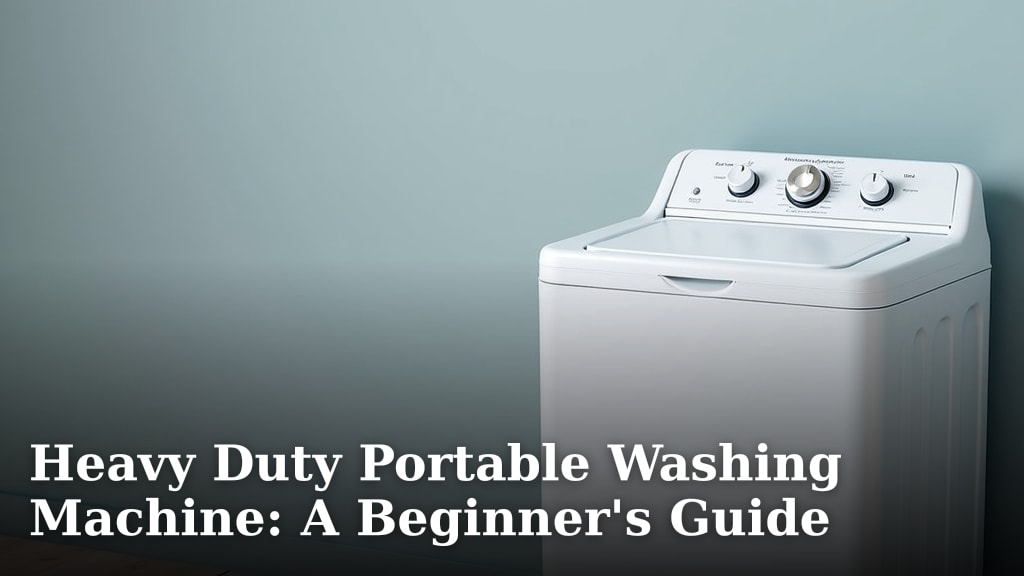
Yes, a heavy duty portable washing machine can be a great solution for small spaces or frequent moves, offering the convenience of laundry without a dedicated hookup. These machines are designed for easy setup and often fit in RVs, apartments, or dorm rooms, letting you handle laundry whenever needed.
We found that choosing the right model involves looking at factors like capacity, washing cycles, and drain methods. Unlike larger, stationary units, portable washers provide flexibility. They are often lighter and require less permanent installation, making them a practical choice for renters or those with limited laundry facilities.
- Portable washers are great for small spaces.
- They offer laundry convenience without permanent hookups.
- Consider capacity and washing cycles when choosing.
- Easy setup is a major benefit for most users.
Ready to learn more? Below, we’ll guide you through the basics of using a heavy duty portable washing machine so you can get your laundry done with confidence. Our guide on how long portable washers last can help you understand the expected lifespan.
Getting Started with Your Heavy Duty Portable Washer
So, you’ve decided a heavy duty portable washing machine is the right choice for your laundry needs. That’s a smart move for many situations! These units offer a practical way to get clean clothes without needing a permanent laundry room. We understand that diving into a new appliance can feel a little daunting, but don’t worry. We’re here to walk you through everything you need to know.
Think of your portable washer as your personal laundry superhero. It’s ready to tackle your dirty clothes wherever you need it most. Whether you’re in a small apartment, an RV, or just want laundry flexibility, these machines are designed for you. They’re typically simpler to operate than their full-sized counterparts. Our goal is to make your experience with it as smooth as possible.
Understanding Your Portable Washing Machine’s Components
Before you even think about washing a sock, it’s helpful to know the main parts of your portable washer. Most units have a wash tub and a spin tub. The wash tub is where your clothes go through the washing cycle. The spin tub is smaller and is used to wring out excess water after washing.
You’ll also find the control panel. This is where you set your wash cycles, water levels, and timers. Water inlet hoses connect to your faucet to fill the tub. A drain hose carries the dirty water away. Understanding these basic parts will make the setup and operation much easier. It’s like knowing the names of your kitchen tools before you start cooking!
The Wash Tub and Spin Cycles
The wash tub is your main workhorse. It’s where the magic happens, with water and detergent cleaning your clothes. You’ll usually select a water level based on how much laundry you have. This helps ensure your clothes get properly cleaned without wasting water.
The spin tub is a lifesaver for drying. After washing and rinsing, you transfer your wet clothes to this smaller tub. It spins at a high speed, much like a salad spinner, to remove a good amount of water. This means your clothes will be much drier when you take them out, reducing drying time significantly. Many experts suggest this spin cycle can remove up to 50% of the water (consumer reports research).
Controls and Settings Explained
Your control panel might look simple, but it packs a punch. Typically, you’ll see a timer dial for washing and another for spinning. Some models also have a selection for water temperature or wash intensity. You’ll want to match these settings to the type of fabric you’re washing.
For example, delicates should use a gentler cycle. Sturdier fabrics like jeans might benefit from a slightly longer wash time. Always check the care labels on your clothing. They offer the best advice for keeping your garments looking great. Following these labels is key to preventing damage to your clothes and your machine.
Setting Up Your Portable Washer: A Step-by-Step Approach
Setting up your heavy duty portable washer is designed to be straightforward. The good news is that most models don’t require permanent plumbing. This is a major advantage for renters or anyone who moves often.
You’ll need a water source and a place to drain the water. Many people use their kitchen or bathroom sink for this. Ensuring a stable, level surface for the machine is also important. A wobbly washer can lead to a noisy and less effective wash.
Connecting to Your Water Source
This is often the trickiest part for beginners, but it’s manageable. Most portable washers come with an adapter that fits onto a standard faucet. You’ll attach the inlet hose to this adapter and then to the machine.
Make sure the connection is snug. You don’t want any leaks! Once connected, you can turn on the water. You’ll then select the desired water level and temperature (if applicable) on your control panel. We found that using a rubber washer inside the faucet adapter can help create a better seal.
Draining the Water Effectively
When it’s time to drain, the drain hose usually rests over the edge of a sink, tub, or even a large bucket. The machine pumps the dirty water out through this hose. It’s essential to ensure the hose is securely positioned so it doesn’t fall out during the draining cycle.
For continuous operation (washing and rinsing without interruption), some people set up a gravity drain. This involves positioning the drain hose lower than the machine, allowing water to flow out on its own. Always make sure the drain location can handle the volume of water. A full sink could cause issues.
Using Your Portable Washer for the First Time
Ready to wash? It’s exciting to use your new appliance! For your very first load, we recommend washing a small load of towels. This helps you get a feel for the machine’s performance. It also gives you a chance to check for any leaks or operational quirks without risking your favorite clothes.
Pay attention to how the machine sounds and how it handles the weight of the clothes. You’ll quickly learn what feels right. This initial test run is a fantastic way to build your confidence.
Loading and Detergent Dos and Don’ts
Don’t stuff the wash tub too full. Overloading can prevent clothes from moving freely, leading to poor cleaning and potential damage. Think of it like a crowded elevator – nobody’s happy and things don’t work well! Most manufacturers suggest loading to about half to two-thirds capacity.
When it comes to detergent, use a high-efficiency (HE) detergent if recommended by your machine’s manual. These detergents produce fewer suds, which is important for portable washers. Too many suds can make them work harder and rinse less effectively. Add the detergent directly to the tub before adding clothes, or as directed by your manual.
Understanding Wash Cycles and Timers
Your timer will count down the wash cycle. Most portable washers have relatively short wash times, often between 5 to 15 minutes. For tougher stains, you might need to pre-treat them before washing.
After the wash cycle, you’ll transfer the clothes to the spin tub. Set the spin timer, usually for just a few minutes. This extracts water. You might need to do a second rinse cycle for heavily soiled items, which involves draining the dirty wash water, refilling with clean water, and running a short wash cycle again.
Maintenance Tips for Longevity
Just like any appliance, your portable washer will last longer and perform better with a little care. Regular cleaning prevents odors and ensures efficient operation. Many experts recommend cleaning the machine at least once a month (appliance maintenance guides).
Think of maintenance as giving your washer a spa day! It keeps it happy and ready for your next laundry day.
Cleaning the Interior and Exterior
After each use, it’s a good idea to wipe down the inside of the wash tub and spin tub with a clean cloth. Leave the lid open to allow the interior to air dry completely. This helps prevent mold and mildew growth, which can cause unpleasant odors.
Periodically, you can run an empty wash cycle with hot water and a cup of vinegar or a washing machine cleaner. This deep cleans the machine and helps remove any lingering soap residue or mineral buildup. Don’t forget to wipe down the exterior too, keeping it looking fresh.
Checking Hoses and Filters
Regularly inspect your water inlet hoses and drain hose for any signs of wear, cracks, or leaks. A damaged hose can lead to water damage, so it’s best to replace them if you notice any issues. Many users find that replacing these hoses every few years is a good preventative measure.
Some models may have small lint filters. Check your manual to see if yours does and how to clean it. A clogged filter can impede water flow and reduce cleaning efficiency. Keeping these components clean ensures your washer can do its job effectively.
When to Consider a “Heavy Duty” Portable Washer
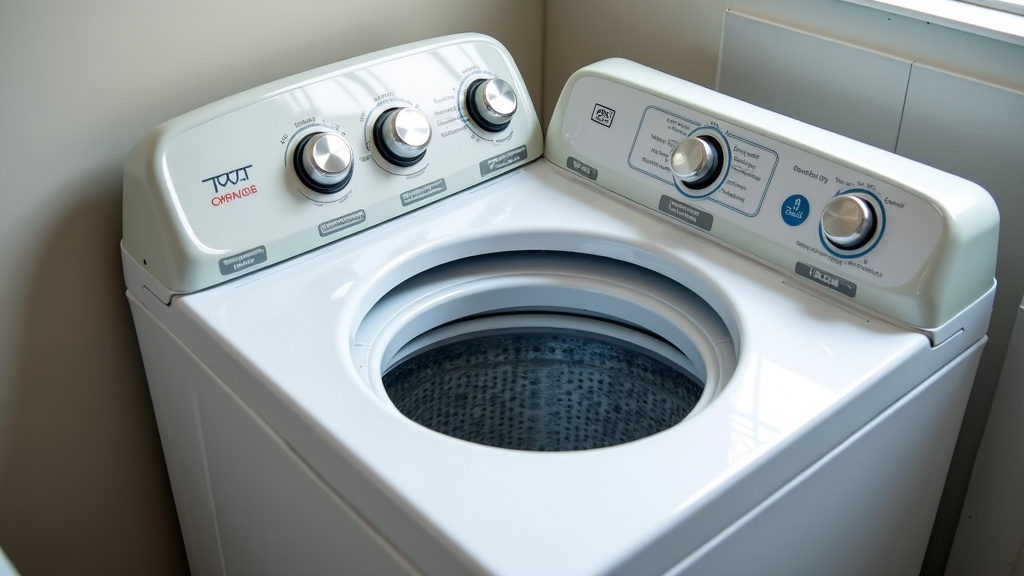
You might be wondering what makes a portable washer “heavy duty.” Generally, this term refers to machines built with more robust materials, potentially larger capacities, or stronger motors designed for more frequent use. If you have a larger household or wash bulky items regularly, a heavy duty model could be a better fit.
They are often designed to handle a bit more wear and tear. If your current portable washer feels a bit flimsy or struggles with heavier loads, it might be time to consider upgrading to a more robust option. Many reviews suggest that these units handle larger loads and more intense cycles without issue (product review analysis).
Capacity vs. Size: What to Look For
Capacity is often measured in pounds or cubic feet. A 10-pound capacity machine is suitable for one or two people. If you have more people in your household or tend to do larger loads, you’ll want to look for a higher capacity, perhaps 15-20 pounds or more.
Don’t let the “portable” aspect fool you; these machines still have a physical footprint. Measure the space where you plan to keep and use the washer. Ensure there’s enough room for the machine itself, plus space to open the lid and access water hookups. A good rule of thumb is to have at least a foot of clearance on all sides.
Motor Strength and Durability
A stronger motor means the machine can handle larger loads and more vigorous washing. If you often wash heavy items like jeans, towels, or bedding, a robust motor is beneficial. Many heavy duty models use metal components in their motor assembly for increased durability.
You can often gauge motor strength by looking at the wattage or amperage listed in the product specifications. Higher numbers generally indicate a more powerful motor. This is something to consider if your current washer seems to struggle or takes a long time to complete cycles.
Troubleshooting Common Issues
Even the best appliances can have occasional hiccups. Knowing how to address common problems can save you time and frustration. Most issues with portable washers are relatively simple to fix yourself.
Think of troubleshooting like being a detective for your laundry. You gather clues and figure out what’s going wrong. Often, the solution is simpler than you think.
Machine Not Starting or Running
First, check if the washer is plugged into a working outlet. Is the lid properly closed? Many machines have a safety feature that prevents them from starting if the lid isn’t shut all the way. Check your power cord for any damage.
Ensure the water supply is on and that the inlet hoses are connected correctly. If it still won’t start, consult your user manual. Sometimes, a tripped circuit breaker can be the culprit. Resetting it might solve the problem.
Excessive Vibrations or Noise
This is often caused by an unbalanced load in the spin tub. Try redistributing the clothes more evenly. If the machine isn’t on a level surface, it can also cause excessive shaking. Use a level to check and adjust the machine’s feet if necessary.
Sometimes, small objects left in pockets can cause rattling noises. Always check pockets before washing! If the noise persists, it might indicate an internal issue that requires professional attention or contacting the manufacturer. Many product manuals offer specific guidance on reducing noise and vibration.
Making the Most of Your Portable Washing Experience
To get the best results from your heavy duty portable washing machine, a little planning goes a long way. Grouping your laundry by fabric type and color is just as important as with a full-sized machine.
Consider how you use your machine. Are you washing small loads frequently, or saving up for larger ones? Understanding your routine will help you select the best cycles and detergent amounts.
Tips for Efficient Washing and Rinsing
Don’t use too much detergent. It’s a common mistake that leads to poor rinsing and can leave residue on your clothes. Always follow the detergent manufacturer’s recommendations for HE machines. Running an extra rinse cycle can ensure all detergent is removed, especially if you have sensitive skin.
If possible, use cold water for most loads. Research from the U.S. Department of Energy suggests that using cold water can save a significant amount of energy compared to hot water washes. This is especially relevant if you’re concerned about utility costs.
Drying Your Clothes After Washing
Since portable washers don’t typically have a separate dryer function, you’ll need to air dry your clothes. The spin cycle removes a lot of water, making this easier. You can hang clothes on a drying rack, a clothesline, or even hang them over shower rods.
Conclusion
You’ve learned how a heavy duty portable washing machine can simplify your laundry routine. From understanding its components and setup to maintenance and troubleshooting, you’re now ready to use yours with confidence. Remember, these machines offer great flexibility for apartments, RVs, or anywhere space is limited. By following the tips on loading, detergent use, and efficient washing, you’ll achieve clean clothes every time.
Your next step is to **gather your supplies** and give your new portable washer a test run. Enjoy the convenience of doing laundry on your own terms!
Frequently Asked Questions
Can I use my portable washing machine in a small bathroom?
Yes, many people successfully use portable washing machines in small bathrooms. You’ll need a sink for water hookup and drainage, and ensure the floor is stable. Always check that the drain hose is securely positioned to avoid spills.
How much laundry can a heavy duty portable washer actually hold?
The capacity varies, but “heavy duty” models typically handle around 15-20 pounds of laundry. This is enough for a small household’s weekly wash, including items like towels and jeans. Always refer to your specific model’s manual for precise capacity guidelines.
What type of detergent should I use in a portable washing machine?
It’s best to use high-efficiency (HE) liquid detergent. These produce fewer suds, which is essential for portable washers to rinse properly. Using too much detergent can lead to residue on your clothes and strain the machine.
Is it normal for my portable washer to vibrate a lot?
Some vibration during the spin cycle is normal, especially if the load is a bit unbalanced. If the vibration is excessive or causing the machine to move, try redistributing the laundry evenly in the spin tub. Ensure the machine is also on a level surface.
How often should I clean my portable washing machine?
For best performance and to prevent odors, clean your portable washer at least once a month. Running an empty cycle with vinegar or a washing machine cleaner can help remove residue. Don’t forget to wipe down the interior and exterior regularly.