Dual Tub Portable Washing Machine: A Quick Guide
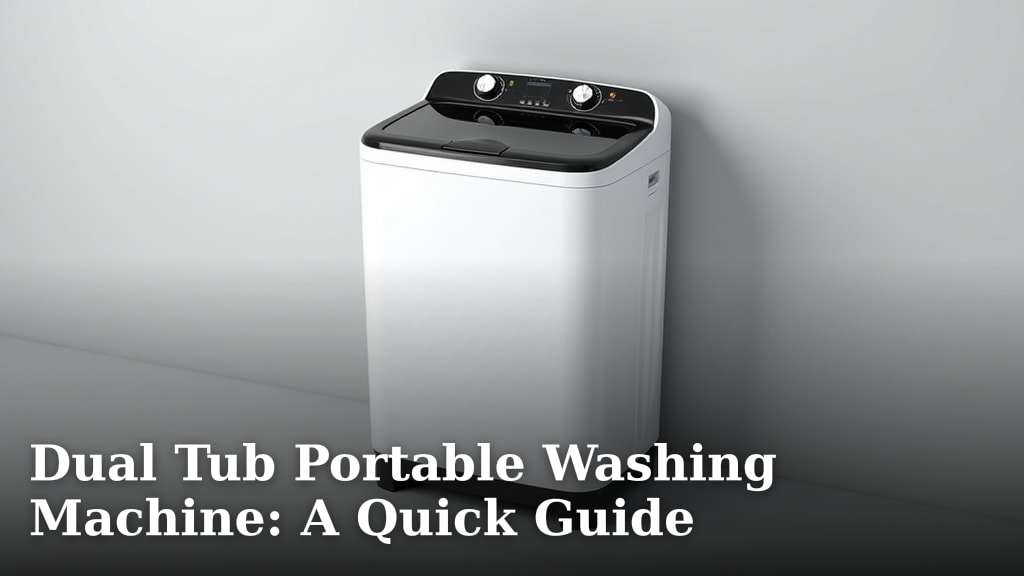
Yes, a dual tub portable washing machine can be a great choice for smaller laundry loads or places without hookups. These compact units let you wash clothes in one tub and spin them dry in the other, saving you time and effort. They are designed for convenience and offer a practical solution for apartments, RVs, or even as a secondary washer.
Many shoppers find these machines helpful for delicates or when you just need to wash a few items quickly. They are often more energy-efficient than full-sized washers and can be stored away easily when not in use. Understanding how to use and care for your dual tub washer ensures it remains a reliable laundry helper.
- Dual tub washers wash and spin dry clothes separately.
- They are ideal for small loads and limited spaces.
- They offer energy savings and easy storage.
- Proper use and maintenance are key.
Ready to make laundry day a breeze? We’ve put together a quick guide to help you understand everything about your dual tub portable washing machine.
Getting Started with Your Compact Washer-Spinner
So, you’ve got a dual tub portable washing machine. That’s fantastic! These clever machines are like having a mini laundry assistant right in your home. They tackle clothes with a washing tub and then a separate spin tub to wring out water. This guide will walk you through how to use and care for yours.
Understanding the Two Tubs
Think of your dual tub washer as two specialists working together. One tub is the washer. This is where the magic of cleaning happens. It agitates your clothes, loosening dirt and grime. The other tub is the spinner. Its job is to remove excess water after the wash cycle.
You’ll fill the wash tub with water and detergent. After washing, you’ll move the clothes to the spin tub. This separation is what makes these units so efficient for small loads. You can even wash one load while spinning another dry.
Essential Features to Look For
When you’re setting up or using your machine, you’ll notice a few key parts. There’s usually an inlet hose for filling the wash tub. You’ll also find a drain hose to let the dirty water out. The control panel is simple, often with timers for the wash and spin cycles.
Some models might have different wash settings for delicate or normal fabrics. Always check your user manual for specific features. Knowing these parts helps you operate your machine with confidence.
Operating Your Dual Tub Washer: A Step-by-Step Guide
Using your dual tub washer is quite straightforward. It’s designed to be user-friendly, even if you’ve never used one before. Let’s go through the process together.
Step 1: Setting Up and Connecting
First, place your washer on a stable, level surface. Ensure it’s near a water source and a drain. You’ll need to connect the inlet hose to a faucet or tap. Make sure it’s securely attached to prevent leaks. The drain hose should hang into a sink, tub, or drain pipe. Avoid placing it too high, as gravity helps drain the water.
Step 2: Loading the Wash Tub
Now, it’s time to add your clothes. Don’t overfill the wash tub. About two-thirds full is usually recommended. Overloading can prevent clothes from moving freely. This means they won’t get as clean. It also puts extra strain on the motor. Check the manufacturer’s guidelines for weight limits. Always sort your laundry by color and fabric type.
Step 3: Adding Water and Detergent
With the clothes in place, it’s time for water. Use the inlet hose to fill the wash tub. You can use warm, cold, or hot water depending on your needs and fabric types. Then, add your detergent. It’s best to use a detergent formulated for high-efficiency or portable machines. Follow the detergent’s instructions for the correct amount.
Some people like to let the water run for a moment to mix with the detergent. This ensures an even distribution. You want to avoid putting detergent directly on dry clothes. This can cause spots.
Step 4: Washing the Clothes
Close the lid of the wash tub. Set the wash timer for the desired duration. Shorter times work well for lightly soiled items. Longer times are for dirtier loads. The machine will agitate your clothes. You can peek through the lid if you want to see how it’s going. Just remember to close it again.
Step 5: Draining and Rinsing
Once the wash cycle is complete, you’ll need to drain the dirty water. Set the drain hose to drain and turn on the drain function. You can then refill the wash tub with clean water for a rinse cycle. Repeat the wash cycle briefly, or just let the clean water agitate the clothes for a minute or two. Then, drain the rinse water.
Step 6: Moving Clothes to the Spin Tub
This is a key step for your dual tub washer. Carefully transfer the wet clothes from the wash tub to the spin tub. Be sure to spread them out evenly around the inside of the spin basket. This is important for balance. A balanced spin helps prevent excessive vibration and noise.
Step 7: Spinning to Remove Water
Place the lid on the spin tub. Set the spin timer. Start the spin cycle. The spin tub rotates very quickly, forcing water out of your clothes through centrifugal force. The water that is spun out will drain away. Spin times are usually shorter than wash times. You might need to experiment to find the best time for your needs.
Step 8: Removing and Drying Your Clothes
When the spin cycle finishes, your clothes will be damp, not soaking wet. You can then hang them on a drying rack, clothesline, or use a dryer. They will dry much faster than if you just wrung them out by hand. Your dual tub washer has done its job!
Maintenance for Longevity and Performance
To keep your dual tub washer working well for a long time, a little regular maintenance goes a long way. Think of it like taking care of a trusty friend.
Cleaning the Tubs and Filters
After each use, it’s a good idea to wipe down the interior of both tubs. This helps prevent soap scum buildup and mildew. Check for any lint filters and clean them regularly. If your machine has a removable lint filter, just pull it out and rinse it under running water. A clean filter helps your machine drain and spin efficiently.
Checking Hoses and Drains
Periodically inspect the inlet and drain hoses. Look for any signs of wear, cracks, or kinks. Ensure the drain hose is clear and not blocked. A blocked drain hose can lead to water backing up in the tub, which is never fun. If you notice any damage, it might be time to replace the hose.
Proper Storage
When you’re not using your washer, make sure it’s stored properly. Ensure the tubs are dry. Leave the lids open for a while to let them air out completely. This helps prevent odors and mildew. Store it in a dry place, away from extreme temperatures. Some people like to cover their machines to keep dust off.
Troubleshooting Common Issues
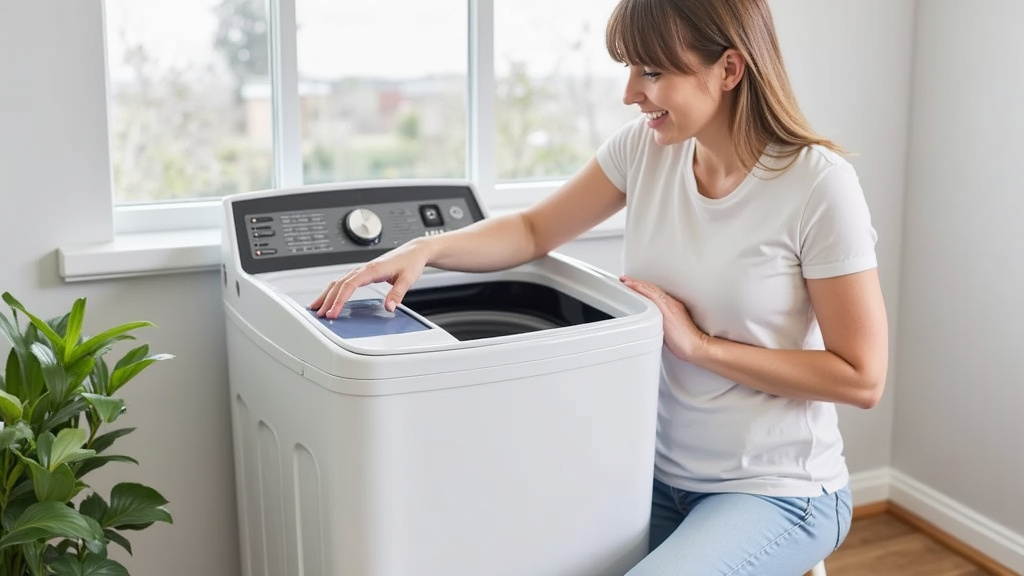
Even the best machines can have occasional hiccups. Here are a few common issues and how you might resolve them.
Machine Vibrates or Moves Excessively
This usually happens if the load is unbalanced in the spin tub. Try redistributing the clothes more evenly. Make sure the machine is on a perfectly level surface. Uneven flooring can make a big difference.
Water Not Draining Properly
Check the drain hose first. Is it kinked or blocked? Is it positioned too high? Also, ensure the lint filter, if present, is clean. Sometimes, debris can get caught in the drain pump.
Washer Not Turning On
First, check if it’s plugged in securely. Is the power outlet working? Test the outlet with another small appliance. If everything seems fine, consult your user manual for specific troubleshooting steps.
A Quick Checklist for Your First Few Uses
To make sure you’re all set, here’s a quick checklist:
- Is your machine on a level surface?
- Are the water inlet and drain hoses securely attached?
- Are you using the correct amount of detergent?
- Is the load balanced in the spin tub?
- Are the tubs dry before storing?
Conclusion
You’ve now got a solid understanding of your dual tub portable washing machine. These handy units offer a convenient way to manage smaller laundry tasks efficiently. By following the steps for operation and maintenance, you can ensure your washer performs reliably for a long time. Remember that proper loading, balanced spinning, and regular cleaning are key to getting the best results. Take a moment today to double-check your machine’s setup and storage habits. You’re ready to make laundry day much simpler!
Frequently Asked Questions
Can I use regular laundry detergent in a dual tub portable washing machine?
Yes, you can generally use regular detergent. However, it’s often best to use a high-efficiency (HE) detergent or one specifically designed for portable or compact machines. These tend to produce fewer suds, which is ideal for smaller tubs and prevents over-sudsing that can affect cleaning and draining.
How much laundry can I realistically wash in a dual tub portable washer?
These machines are best suited for small to medium loads. Overfilling the wash tub can lead to clothes not getting clean. For the spin tub, aim for a balanced load to prevent excessive shaking. Always check your user manual for specific weight capacity recommendations.
How long does a typical wash and spin cycle take?
Wash cycle times can vary depending on the setting and how soiled your clothes are, but they often range from 5 to 15 minutes. Spin cycles are typically shorter, usually around 1 to 5 minutes. You might run a rinse cycle after the wash, which also involves a brief wash and spin.
Is it okay to leave water in the wash tub between uses?
No, it’s not recommended to leave water in the wash tub. After each use, you should drain all water completely. Leaving water can lead to mold, mildew, and unpleasant odors. Always ensure both tubs are dry before storing the machine.
What should I do if my dual tub washer seems noisy during the spin cycle?
Excessive noise during the spin cycle usually means the load is unbalanced. Try stopping the machine and rearranging the clothes in the spin tub so they are spread out more evenly. Also, confirm that the machine is placed on a completely level and stable surface.