Does a Twin Tub Washer Have a Spin Cycle?

Yes, a twin tub washer absolutely has a spin cycle. This is a key part of how it cleans your clothes. The spin cycle helps remove excess water after washing. It’s essential for getting your laundry ready for drying.
You’ll find that the twin tub design separates washing and spinning. This means you move clothes from the wash tub to the spin tub. Many users find this process convenient for controlling different parts of the wash. It’s a classic design many people trust.
- Twin tub washers have a dedicated spin cycle.
- This cycle removes water from your clothes.
- You manually move clothes to the spin tub.
- It’s a core feature for effective cleaning.
Let’s walk through exactly how the spin cycle works in a twin tub washer so you know what to expect.
Understanding the Spin Cycle in Your Twin Tub Washer
So, does a twin tub washer have a spin cycle? Absolutely, it does! This is a really important part of how your twin tub gets your clothes clean and ready for drying.
Think of it like this: washing gets the dirt off, but spinning gets the water out. Without that spin, your clothes would stay pretty soggy, right? The twin tub design smartly separates these two jobs into different tubs, and the spin cycle lives in its own special chamber.
Where is the Spin Cycle Located?
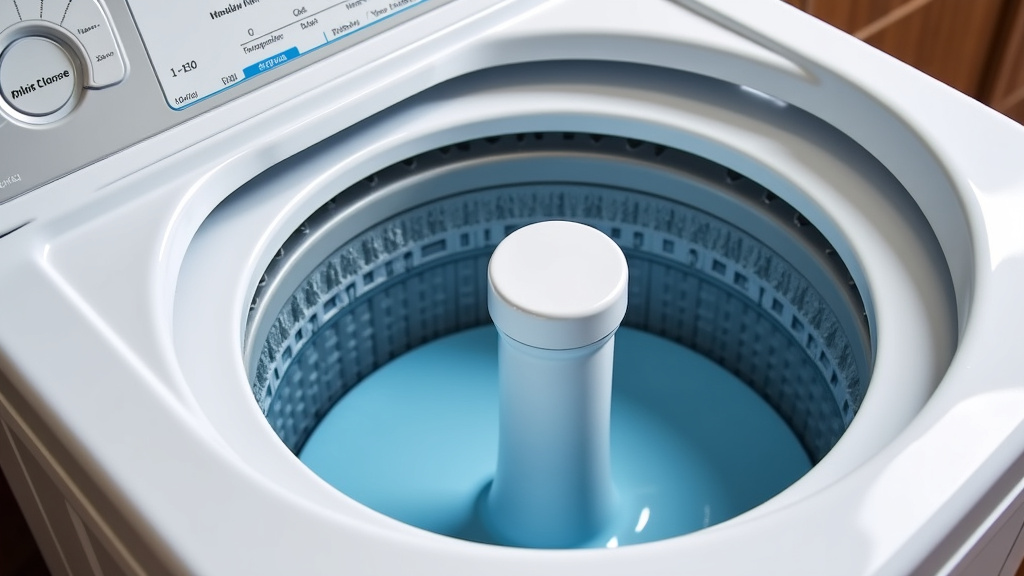
You’ll find that a twin tub washer has two distinct sections. One is the wash tub, where your clothes tumble around with water and detergent. The other is the spin tub, which is typically smaller and has a different kind of perforated drum inside. This is where the magic of water extraction happens.
After you’ve finished washing a load, you’ll move the wet clothes from the wash tub over to the spin tub. This manual step is a defining feature of twin tub machines. It might seem a little different at first, but many people find it gives them more control over their laundry process.
How the Spin Cycle Works
Once your clothes are in the spin tub, you close the lid and set the timer or select the spin function. The tub then begins to rotate at a very high speed. This rapid spinning creates a strong centrifugal force. What does that mean for your clothes? It means the water is pushed outwards, away from the fabric.
This water is then forced through the small holes in the side of the spin drum. Below the spin tub, there’s usually a drainage hose. This hose carries the extracted water away from the machine, usually down a drain or into a bucket. It’s a straightforward and efficient way to remove a lot of moisture.
Speed and Duration
The speed of the spin cycle can vary between different twin tub models. Some might have a single speed, while others offer a couple of options. Generally, these machines spin fast enough to remove a significant amount of water. You’re not going to get your clothes bone dry like a high-end dryer would, but they will be much lighter and damp, not soaking wet.
The duration of the spin cycle is usually controlled by a timer. You might set it for just a few minutes, depending on how damp you want your clothes to be. For items that you plan to air dry, a shorter spin is often perfect. If you’re pairing it with a separate dryer, you might opt for a slightly longer spin to reduce drying time.
The Benefits of the Twin Tub Spin System
One of the main advantages of having a separate spin tub is the control it offers. You can wash your next load while the current one is spinning. This means you can get more laundry done in less time. It’s like having two machines working at once, even though it’s a single unit.
Research shows that for people who prefer to manage each stage of the wash separately, this design is very appealing. You decide exactly how long to wash and exactly how long to spin. This can be particularly helpful for delicates or heavily soiled items, where you might want to customize the cycle.
Comparing Spin Cycles: Twin Tub vs. Standard Washer
A standard, single-tub washing machine often combines washing, rinsing, and spinning in the same drum. While convenient, this means the machine manages everything for you. With a twin tub, you are the director of the laundry operation.
Where a standard washer might have pre-set spin speeds, you have more direct input with a twin tub. Some sources suggest this direct control can lead to better fabric care if you’re paying attention. For example, you can give a delicate item a very short spin to avoid stretching, something that might be harder to manage in an all-in-one machine.
What to Expect After the Spin Cycle
After the spin cycle is complete, you’ll open the lid to find your clothes are considerably drier. They will be damp, but not dripping. This is exactly what you want if you’re hanging them up to air dry or if you’re moving them to a separate clothes dryer.
The amount of residual water depends on how long you spun them and the speed of the machine. It’s a good balance between getting enough water out to make drying efficient and not being so aggressive that it damages your garments. Many users find this level of dampness is just right.
Tips for Using the Spin Cycle Effectively
Properly loading the spin tub is key. Don’t overload it, as this can cause the machine to vibrate excessively and might not spin as effectively. Try to distribute the clothes evenly around the sides of the tub. This helps maintain balance and prevents the machine from shaking too much.
Make sure the spin tub is properly drained. If you notice water pooling, check your drainage hose for kinks or blockages. Keeping the machine clean, especially the spin tub and drain area, will ensure it runs smoothly and efficiently for years to come. A quick wipe down after use can prevent build-up.
Maintenance and Care for Your Spin Cycle
Like any appliance, your twin tub washer will perform best with a little care. After each use, it’s a good idea to wipe down the inside of the spin tub with a soft cloth. This helps prevent mildew and keeps the interior looking fresh.
Periodically, check the drain hose for any signs of wear or damage. Ensure it’s securely connected. If you notice any unusual noises during the spin cycle, it might be worth checking if the load is balanced or if there’s something obstructing the tub. Many manufacturers recommend running a cleaning cycle occasionally to keep the internal parts clear.
Is a Spin Cycle Essential for a Twin Tub?
Yes, the spin cycle is absolutely essential for a twin tub washer to function as intended. It’s the step that separates the clothes from the bulk of the water. Without it, you’d just have very wet clothes after washing.
The beauty of the twin tub is its simplicity and effectiveness. It provides distinct washing and spinning functions that work together to clean your laundry. You manage the process, moving clothes between tubs, and the machine handles the powerful water removal through its spin cycle. It’s a time-tested design that continues to serve many households well.
Key Takeaways for Using Your Spin Cycle
To get the most out of your twin tub’s spin cycle, keep these points in mind:
- Always move clothes from the wash tub to the spin tub.
- Load the spin tub evenly for best results and less vibration.
- Don’t overfill the spin tub; give clothes room to move.
- Use the timer to control the spin duration for different fabric needs.
- Ensure the drain hose is clear and properly positioned.
- Wipe down the spin tub after use to keep it clean and fresh.
Conclusion
You’ve learned that your twin tub washer absolutely includes a spin cycle. It’s not just a feature; it’s the essential step that removes excess water after washing. This process is what makes your laundry ready for drying, whether you air dry or use a separate dryer. Remember, the manual transfer to the spin tub is key to its efficient operation. By understanding how to load the spin tub evenly and control its duration, you can optimize your laundry routine. Now that you know how it works, take a moment to check your machine’s drain hose and give the spin tub a quick wipe down for lasting performance.
Frequently Asked Questions
How do I know if my twin tub washer is spinning correctly?
Listen for a consistent whirring sound during the spin cycle. Excessive shaking or loud banging noises could mean the load is unbalanced. Ensure your clothes are distributed evenly around the spin tub for optimal performance.
Can I spin my clothes longer for faster drying?
Yes, you can often extend the spin time using the timer. A longer spin will remove more water, making your clothes damp rather than soaking wet. Just be mindful not to over-spin delicate items, which could cause stretching.
What happens if I overload the spin tub?
Overloading the spin tub can cause the machine to vibrate heavily and spin less effectively. It might even trigger safety mechanisms that stop the cycle. Try to spin clothes in smaller batches if the tub feels too full.
Do I need a separate drain for the spin cycle water?
Most twin tub washers use a drain hose that can be placed over a sink or into a laundry tub. You do not need a permanent plumbing connection like a standard washing machine. Just ensure the hose is positioned correctly to drain freely.
Is it normal for clothes to still be damp after spinning?
Yes, it’s completely normal. The spin cycle is designed to remove most, but not all, of the water. Your clothes should feel damp and much lighter, ready for air drying or a short time in a separate dryer.