Single Tub Washing Machine With Dryer: The Basics
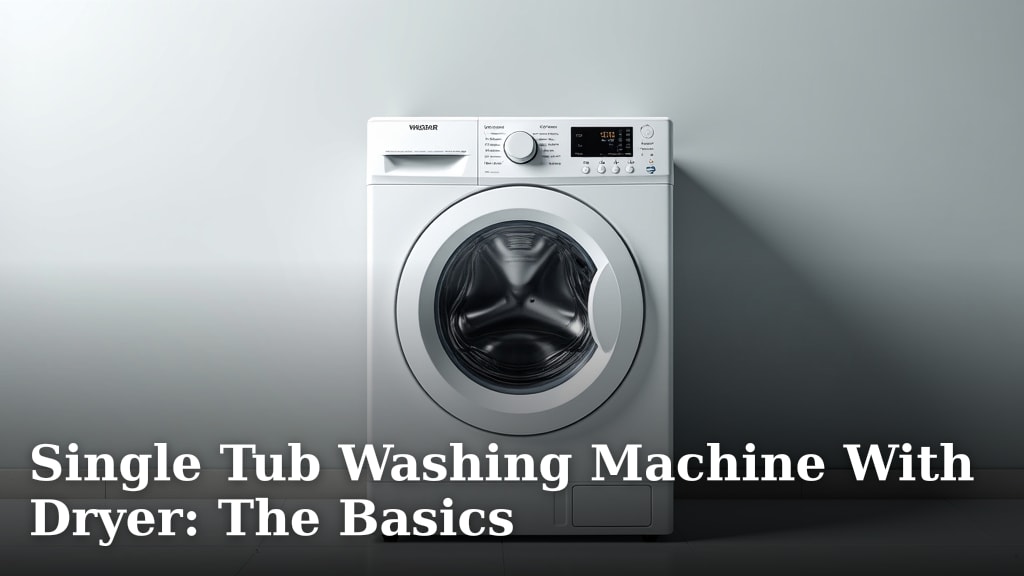
A single tub washing machine with dryer is a compact laundry appliance that washes and dries your clothes in one drum. It’s a great option for small spaces and busy individuals who need to get laundry done quickly. You load your clothes, select a cycle, and let it do both jobs without transferring anything.
These machines offer the convenience of a washer and dryer combined, saving you space and effort. They are particularly useful if you live in an apartment or don’t have room for two separate machines. Many models are designed for energy efficiency, helping you save on utility bills too.
- What it is: One unit for washing and drying.
- Who it’s for: People with limited space or needing convenience.
- Key benefit: Saves space and time by doing both jobs.
- Consideration: Typically smaller capacity than separate units.
Ready to learn more? Below, we break down exactly what makes a single tub washing machine with a dryer a smart choice for your home.
Understanding the All-in-One Washer and Dryer Unit
So, you’re looking at a single tub washing machine with a dryer. What exactly is this appliance? Think of it as a laundry wizard in a single box. It washes your clothes, and then, without you moving a single sock, it dries them too. This is a big deal when you’re short on space. You get the convenience of two machines without the double footprint.
This type of machine is often called a combo washer dryer. It’s designed for people who need laundry done but can’t fit a standard washing machine and a separate dryer. Apartment dwellers, RV owners, or even homeowners with a tiny laundry nook often find these units a perfect fit. They streamline the entire laundry process.
How Does a Single Tub Unit Work?
The magic happens inside one drum. First, you load your dirty clothes. You add detergent and fabric softener, just like a regular washer. Then, you select a wash cycle. The machine fills with water, tumbles your clothes, and drains. Once the wash cycle is complete, it moves into the drying phase.
For drying, the machine typically uses a condenser drying system. This means it doesn’t vent hot, moist air outside like a traditional dryer. Instead, it cools the moist air, collecting the water. This makes it ideal for places where venting isn’t possible. Some models might use a small vent, but condenser types are more common for single-tub units.
You select a drying time or a dry level. The drum then tumbles the clothes while heating the air inside. The moisture is extracted, and your clothes come out dry. It’s a two-step process in one machine. You don’t have to lift a damp load and transfer it.
Who Benefits Most from This Laundry Solution?
The primary group that benefits is anyone with limited living space. This includes people living in small apartments, studios, or dorm rooms. If your home doesn’t have a dedicated laundry room or space for two appliances, this is a fantastic option. It maximizes utility in a small area.
Busy individuals also appreciate the convenience. Think about it: no more waiting for a wash cycle to finish, then starting a separate dry cycle. You can set it and forget it. This saves precious time during a hectic week. It’s like having a personal laundry assistant.
Ideal Scenarios and Living Situations
Imagine living in a city apartment. Space is often at a premium. A full-size washer and dryer might be impossible to fit. A single tub unit can slide into a closet or a small alcove. It meets your laundry needs without sacrificing precious living space. This is a major space-saving advantage.
Another group is those who rent. If you can’t make permanent modifications to your living space, a ventless combo unit is perfect. It doesn’t require external venting. You can take it with you when you move. It’s a practical solution for renters seeking laundry independence.
Furthermore, these machines are great for second homes or vacation properties. You might not need a large capacity. A compact unit handles light laundry needs efficiently. It’s less investment and takes up less room. It’s about having convenience where and when you need it.
Key Features to Look For
When you’re shopping for a single tub washer dryer, a few features stand out. First, consider the capacity. These units are typically smaller than standard machines. Look at the load size in kilograms or pounds. Make sure it can handle the amount of laundry you generate. For a single person or couple, 5-7 kg might be fine. For a small family, you might need 8-10 kg.
Capacity and Load Size Matters
Don’t underestimate the importance of capacity. A common mistake is buying a unit that’s too small. You’ll end up doing laundry more often. Research has shown that consistently overloading a machine can reduce its lifespan (Consumer Reports). So, choose a size that fits your household’s typical laundry needs. A good rule of thumb is to consider your largest wash load.
Wash and Dry Cycles Explained
Look at the variety of wash and dry cycles offered. Most units have standard cycles like cotton, delicates, and synthetics. Some offer specialized cycles for things like wool, quick washes, or steam cleaning. Steam cycles can help sanitize clothes and reduce wrinkles. This can save you ironing time.
Pay attention to the drying options. Can you select different dryness levels? For example, a “cupboard dry” setting for immediate storage, or a “ready to iron” setting. Some machines let you choose the drying time. This gives you more control over the process. The more options, the better you can tailor the cycle to your fabrics.
Energy and Water Efficiency
Check the energy efficiency ratings. In many regions, appliances have energy labels. These labels show how much electricity and water the machine uses. Look for high efficiency (HE) models. These can save you money on utility bills over time. Some studies suggest HE machines can reduce water usage by up to 50% compared to older models (Energy Star). This is good for your wallet and the environment.
Water efficiency is also important. Combo units generally use less water than traditional top-loaders. This is because they are typically front-loaders, which use less water by design. Consider the water consumption per cycle. This information is usually available on the product’s specifications.
Noise Levels and Vibration
Since these machines are often placed in living spaces, noise level is a factor. Some models are designed to be quieter than others. Look for features like brushless DC motors or advanced suspension systems. These can help reduce vibration and noise. Reviews often mention how loud a machine is during operation. This can be a deciding factor if your laundry area is near a bedroom or living room.
Vibration can also be an issue, especially in smaller apartments. A well-balanced machine will vibrate less. Some units have anti-vibration technology. Ensure the machine is installed on a level and stable surface. This minimizes movement during the spin cycle. Even a good machine can be noisy if not properly installed.
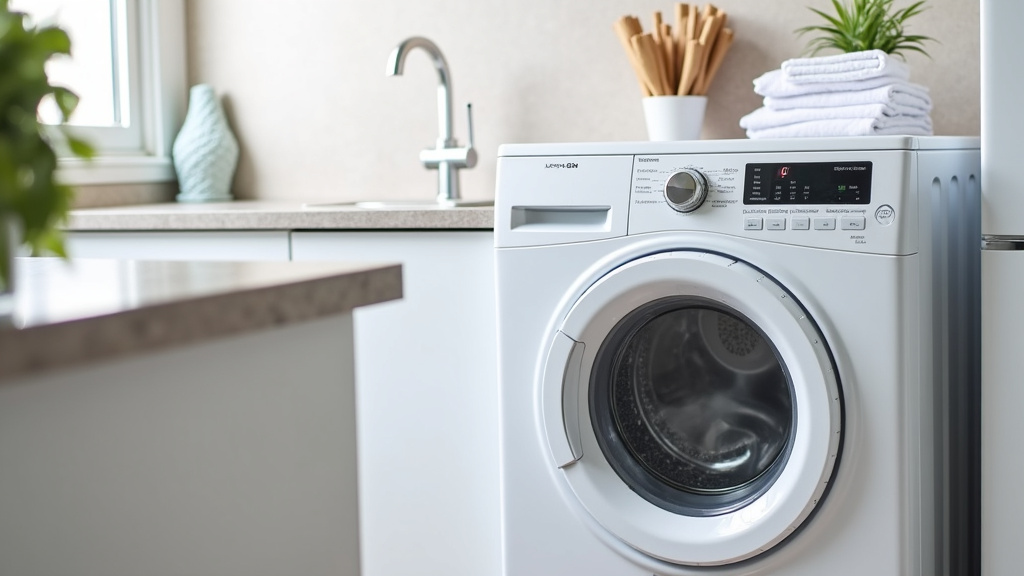
Pros and Cons at a Glance
Let’s break down the advantages and disadvantages of owning a single tub washer dryer.
- Pros:
- Space-saving design: Perfect for small homes or apartments.
- Convenience: Washes and dries in one unit. No transfer needed.
- Flexibility: Many are ventless, ideal for various locations.
- Energy efficient: Often use less water and electricity than separate units.
- Time-saving: Set it and forget it for laundry.
- Cons:
- Smaller capacity: May require more frequent loads for families.
- Longer cycle times: Combined cycles can take more time.
- Drying limitations: Drying capacity is often less than washing capacity.
- Maintenance: Condenser units require filter cleaning.
- Price: Can sometimes be more expensive upfront than a basic washer.
It’s a trade-off between space and capacity. For many, the convenience and space savings outweigh the smaller loads.
Making the Right Choice for Your Home
Choosing a single tub washer dryer involves balancing your needs. Think about your laundry habits. How much laundry do you do per week? What types of fabrics do you wash most often? Do you need quick wash cycles or specialized programs?
Consider the physical space you have available. Measure carefully. Ensure there’s enough clearance for the door to open and for hoses if needed. Also, check your available power outlets and water hookups. A little planning goes a long way.
A Checklist for Your Purchase Decision
Here’s a quick checklist to help you decide:
- Have you measured your available space accurately?
- Does the machine’s capacity match your household size?
- Are the wash and dry cycles suitable for your clothing types?
- What are the energy and water efficiency ratings?
- Is the noise level acceptable for your living situation?
- Have you checked user reviews for reliability and performance?
Taking these steps will help you find an appliance that truly fits your life.
Conclusion
A single tub washing machine with a dryer offers a practical laundry solution for those prioritizing space and convenience. You’ve learned how these all-in-one units work, who benefits most, and what key features to consider. Remember to carefully assess your household’s laundry needs and the space you have available. By comparing capacity, cycle options, and efficiency ratings, you can make an informed decision. Take the time to measure your space and review user feedback. This will help you find a combo unit that fits your lifestyle and home perfectly.
Frequently Asked Questions
How long does a wash and dry cycle take in a single tub unit?
Combined wash and dry cycles can be longer than separate cycles, often ranging from 3 to 6 hours. This is because the machine must complete the wash, drain, and then the entire drying process. Always check the estimated cycle times for specific models you are considering.
Can I wash a full load and then dry only half of it?
Most single tub units recommend drying a load size that is smaller than the washing capacity. This is because wet clothes take up more space and require more air circulation to dry effectively. Always refer to your user manual for specific recommendations on load balancing for drying.
Do single tub washer dryers use more energy than separate machines?
Generally, single tub units are designed for efficiency and often use less energy and water overall than running two separate machines. However, their combined cycles can be energy-intensive due to the drying phase. Look for Energy Star certified models to ensure the best efficiency.
What kind of maintenance is required for a single tub unit?
Condenser dryer systems, common in these units, require regular cleaning of the lint filter and condenser. This ensures optimal drying performance and prevents potential issues. You may also need to wipe down the drum and door seal periodically.
Is a single tub washer dryer suitable for a family of four?
A single tub unit might be challenging for a family of four due to its smaller capacity. You would likely need to do laundry loads daily or even multiple times a day. Consider your typical weekly laundry volume carefully before deciding if it’s the right fit.