What Is a Portable Washer With a Spin Dryer?
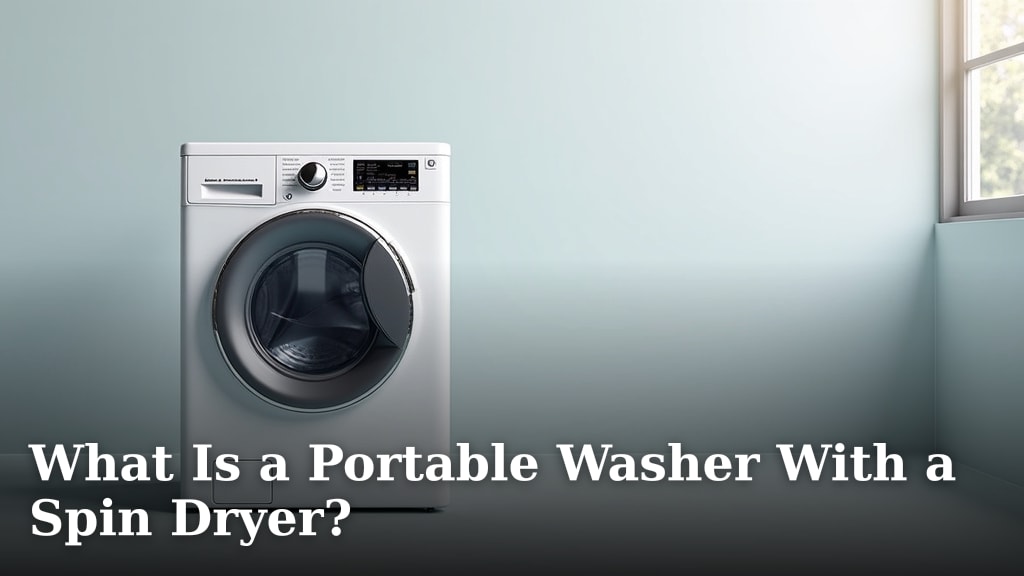
A portable washer with a spin dryer is a compact, freestanding appliance designed for washing and extracting water from clothes. It offers the convenience of doing laundry in small spaces, like apartments or RVs, without needing a permanent plumbing setup. Think of it as your personal, on-demand laundry solution.
These machines are perfect for people who need to wash smaller loads frequently. They often include both a wash cycle and a separate, high-speed spin cycle to remove excess water. This means your clothes come out much drier than with a standard washing machine, reducing drying time significantly.
- It’s a small washing machine.
- It also has a high-speed spin feature.
- Great for apartments and small spaces.
- Cleans and removes water from clothes.
Let’s walk through exactly how these handy machines work and what you should consider before getting one.
Understanding Your Portable Washing Machine With a Spin Dryer
A portable washer with a spin dryer is a clever little appliance. It’s designed to handle your laundry needs when you don’t have space or hookups for a full-sized machine. Think of it as your personal laundry assistant, ready to go whenever you are.
These units typically combine two functions in one compact package. You get a washing tub to clean your clothes. You also get a separate, high-speed spin chamber to wring out excess water. This dual-action system makes them incredibly useful for many situations. We’ll break down how they work and what makes them special.
How Does a Portable Washer With a Spin Dryer Work?
The magic happens in two main stages. First, you load your clothes into the wash tub. You add water and detergent, just like a regular washing machine. Then, you select a wash cycle. The machine agitates your clothes to get them clean.
After the wash cycle is complete, you move the wet clothes to the spin dryer compartment. This part is key. It spins at a very high speed. This centrifugal force pushes the water out of your clothes. It’s similar to how a salad spinner works, but on a much larger and more powerful scale.
The Wash Cycle Explained
Most portable washers use a simple agitation system. A central agitator or the tub itself moves back and forth. This motion helps to move your clothes through the soapy water. It loosens dirt and stains effectively for everyday wear. You typically have a timer to set the wash duration. Some models offer different wash settings for delicate items.
The Spin Cycle: Drying Power
This is where the spin dryer really shines. After washing, you’ll transfer your clothes to the spin basket. This basket is perforated to allow water to escape. When the dryer spins, water is flung outwards and drains away. Many units spin at speeds around 1700 RPM or higher. This means your clothes emerge much drier than from a standard wash cycle alone. This greatly reduces your drying time, whether you’re using a clothesline or a separate small dryer.
Key Features to Look For
When you’re shopping for a portable washer with a spin dryer, a few features stand out. These can make a big difference in how well the machine serves your needs. Understanding these can help you make a smart choice.
Capacity and Size
Portability is key, so size matters. These machines are designed to be compact. They come in various capacities, usually measured in pounds or kilograms of laundry. A common capacity might be 5-10 pounds (about 2-5 kg). This is perfect for a few outfits or a small load of towels. Always check the dimensions to ensure it fits your designated space. You’ll want enough room to operate it comfortably.
Washing and Spinning Speeds
Consider the wash cycles available. Do they meet your needs? Some models offer basic wash and rinse. Others might have delicate or normal settings. For the spin dryer, the RPM (revolutions per minute) is important. A higher RPM generally means clothes will be drier. Many research studies show that faster spin speeds are more effective at water extraction (NCBI). Look for models that advertise a good RPM range for efficient water removal.
Ease of Use and Setup
One of the biggest advantages of these machines is their simplicity. Most don’t require complex plumbing. You usually fill them with water from a faucet or bucket. Drainage can be via a hose that you place in a sink or tub. Controls are typically straightforward – dials or buttons for wash time, spin time, and cycle selection. You want a machine that is intuitive and doesn’t require a manual for every load.
Durability and Build Quality
Even though they are portable, you want a machine that lasts. Look for models made with sturdy materials. Many feature durable plastic exteriors. The internal components should be robust enough for regular use. Reading reviews from other users can give you an idea of long-term reliability. Many experts suggest checking warranty information as well.
Who Benefits Most From a Portable Washer With a Spin Dryer?
These handy appliances are not for everyone, but they are a lifesaver for specific groups. Their compact nature and simple operation make them ideal for certain lifestyles and living situations. You might find yourself fitting the profile perfectly.
- Apartment Dwellers: If you live in a small apartment without in-unit laundry, this is a great solution. It saves trips to a laundromat.
- RV and Camper Owners: For those who travel or live in an RV, having on-board laundry is a luxury. These units are compact and easy to manage.
- Students: Dorm rooms are often tiny. A portable washer can handle small loads of clothes without taking up too much space.
- Elderly or Disabled Individuals: For those with mobility issues, avoiding stairs or laundromats is a significant benefit. A portable washer makes laundry more accessible.
- New Parents: Baby clothes pile up quickly. A portable washer can handle frequent small loads of tiny garments.
- Occasional Users: If you only need to wash a few items now and then, a large machine might be overkill. This offers a cost-effective alternative.
Comparing Portable Washers with Spin Dryers to Alternatives
It’s helpful to see how these machines stack up against other laundry options. This can clarify why they are a good choice for specific needs.
Vs. Full-Sized Washing Machines
Full-sized machines offer larger capacities and more advanced features. However, they require dedicated space and often plumbing hookups. They are more expensive upfront and use more energy and water per load. Portable washers are the clear winner for small spaces and limited hookups. They are also more energy-efficient for small loads.
Vs. Standard Portable Washers (No Spin Dryer)
Some portable washers only wash and rinse. They leave clothes quite wet. You would then need a separate drying method, like a drying rack or a small portable dryer. A model with a built-in spin dryer significantly reduces drying time. This saves you effort and space if you don’t have room for a separate dryer.
Vs. Laundromats
Laundromats are an option when you lack home laundry facilities. However, they involve travel time, waiting for machines, and ongoing costs for each use. Portable washers offer convenience and privacy. Once you buy the unit, the cost per load is much lower. You can do laundry on your own schedule, in your own space.
Important Considerations for Usage and Maintenance
To get the most out of your portable washer and dryer, proper use and care are essential. Following simple guidelines can extend its life and ensure it functions well.
Water and Drainage
You’ll need a water source for filling and a place for drainage. Many people use their kitchen or bathroom sink. Ensure the drainage hose is securely positioned. Avoid overfilling the machine. Most models are designed for specific water levels. Check the user manual for your particular unit.
Detergent Use
Use only a small amount of detergent. High-efficiency (HE) detergents are often recommended, even in small machines. Too much soap can create excessive suds. This can hinder the washing action and be difficult to rinse out. Start with less than you think you need.
Load Balancing
During the spin cycle, it’s important to balance the load. If clothes are unevenly distributed, the machine can vibrate excessively. This can damage the unit and be noisy. Try to place items evenly around the spin basket. Avoid spinning only one heavy item.
Cleaning and Storage
After use, wipe down the interior and exterior of the machine. Leave the lid open to allow it to air dry completely. This prevents mildew and odors. Store it in a dry place. If you need to store it for an extended period, ensure it’s clean and dry first. Many users find that regular, light cleaning makes a big difference in maintaining the machine. Following simple guidelines can help extend its life and ensure it functions well.
What to Expect from a Spin Dryer Cycle
It’s important to manage your expectations regarding the spin cycle. While it removes a lot of water, it doesn’t fully dry clothes. Think of it as a pre-drying step. Clothes will come out damp, not bone dry. You’ll likely need to hang them for a short period to finish the drying process. However, the time needed is significantly less than if you skipped the spin cycle altogether. Research shows that effective water extraction can reduce drying time by up to 50% (CDC guidelines on fabric care).
A portable washer with a spin dryer is a practical solution for many. It brings laundry convenience to small spaces. Understanding its features and how to use it properly will help you get the best results. You can enjoy cleaner clothes without the hassle of a laundromat or the need for permanent installations.
Conclusion
You’ve learned how a portable washer with a spin dryer offers a practical laundry solution for small spaces. It combines washing and powerful water extraction, making clothes ready for quicker drying. These units are perfect for apartments, RVs, or anyone needing laundry convenience without permanent hookups. By understanding their features and maintenance needs, you can make an informed choice. Consider your laundry volume and available space to see if this compact appliance is the right fit for your home. Take the next step by comparing models based on capacity and spin speed to find the best option for your unique needs.
Frequently Asked Questions
How much water do I need for a portable washer?
You typically need to add water manually for each wash and rinse cycle. The amount depends on the model and load size, but most manuals suggest filling the tub to a specific level or until clothes are submerged. Always refer to your unit’s instructions for the best results and to avoid overfilling.
Can I use regular laundry detergent?
Yes, you can use regular or high-efficiency (HE) detergents. However, it’s important to use only a small amount. Too much detergent can create excessive suds, which can make rinsing difficult and affect cleaning performance. Start with a tablespoon or less.
Will the spin dryer fully dry my clothes?
No, the spin dryer removes a significant amount of water, making clothes damp rather than dry. This dramatically reduces drying time, whether you hang them on a line or use a separate dryer. It’s an excellent pre-drying step, not a complete drying solution.
How do I prevent my portable washer from vibrating too much?
Load balancing is key to preventing excessive vibration. Distribute clothes evenly inside the spin basket. Avoid washing a single heavy item alone. If you notice unusual shaking, stop the machine and rearrange the laundry for better balance.
Is a portable washer with a spin dryer noisy?
These machines can produce some noise, especially during the spin cycle due to the high speeds. The amount of noise can vary by model and how well the load is balanced. Placing the unit on a stable, level surface can help minimize vibrations and noise.