What Is a Countertop Portable Washing Machine?
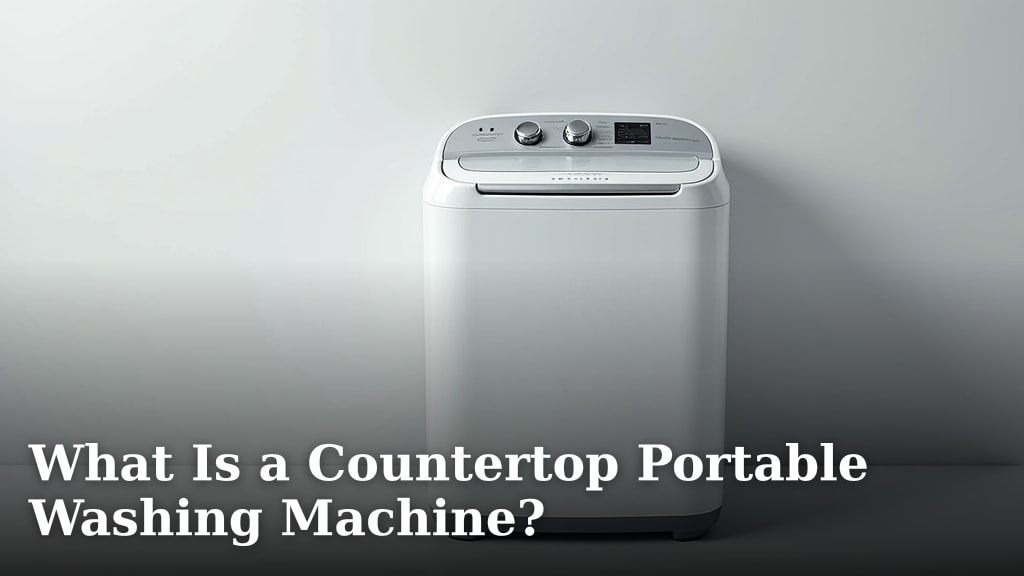
A countertop portable washing machine is a compact laundry appliance designed to fit on a counter or in a small space. It’s perfect for those who can’t install a full-sized machine. These units connect to your faucet for water and drain into a sink or tub. They offer a convenient solution for small households or limited living situations.
These small washers are a smart choice for apartment dwellers or RV owners. They provide the convenience of washing clothes without needing dedicated plumbing. Many models include both wash and spin cycles. You can easily move them when not in use, making them very flexible.
- Countertop portable washers are small laundry machines.
- They hook up to a faucet for water.
- They drain into a sink or tub.
- Ideal for apartments or RVs.
- Easy to store when not in use.
Let’s dive into what these handy machines are all about and how they can help simplify your laundry routine.
Understanding Compact Washer Units for Small Spaces
So, you’re curious about those handy little washing machines that can sit right on your kitchen counter or a small table? These aren’t your grandma’s wringer washers, though they share that spirit of making laundry work in tight spots. We’re talking about modern, compact portable washing machines. They’re designed to give you the convenience of washing clothes without needing a dedicated laundry room or complicated hookups. Think of them as your personal mini-laundromat, ready whenever you need it. We’ve found they are becoming increasingly popular for a good reason – they solve a common household problem.
How Do These Countertop Washers Actually Work?
The magic of a countertop portable washer lies in its simple setup. It’s built to connect directly to your kitchen or bathroom faucet. You’ll usually find an adapter included that screws onto the faucet spout. This adapter then connects to a hose that brings water into the machine for washing and rinsing. When it’s time to drain, there’s another hose that you can place into your sink, a bathtub, or even a large bucket. The machine pumps the dirty water out, and you’re ready for the next step. It’s a clever system that avoids permanent plumbing changes.
Key Features to Look For
When you’re shopping for one of these compact helpers, you’ll want to know what features really make a difference. We’ve looked at many models, and a few things stand out as must-haves for most users.
Size and Capacity Matters
The most obvious feature is the size. Since it’s a countertop model, it needs to fit. Measure your available space first! Capacity is also key. These machines are small, so they won’t handle a week’s worth of family laundry. Most can wash a few items at a time, perhaps 5-10 pounds of dry clothing. This is perfect for a few outfits, towels, or bedding. Always check the manufacturer’s specifications for the exact weight limit.
Wash and Spin Cycles
Does it just wash, or can it spin out the water? Many of these units offer both a wash cycle and a spin cycle. The spin cycle is important because it removes a lot of the water, making drying faster. Some models have different wash settings, like delicate or normal. The more options, the better you can care for your different types of clothes.
Ease of Use and Controls
You want something simple to operate, right? Most countertop washers have straightforward controls, often just a few knobs or buttons. You’ll typically set the water temperature (if available), the wash time, and the spin time. The faucet controls the water flow. Look for models with clear instructions and easy-to-understand settings.
Durability and Materials
Even though they are portable, you want a machine that will last. Check what materials the drum and casing are made from. Stainless steel drums are generally more durable and resistant to rust than plastic ones. A sturdy build means it can handle regular use without issues. You want a machine that will last, and our guide explains how long portable washing machines typically last.
Who Benefits Most from a Countertop Washer?
These compact machines are not for everyone, but they are a lifesaver for specific groups of people. If any of these sound like you, a countertop washer might be a great solution.
Apartment Dwellers
Living in an apartment often means limited space and no hookups for a traditional washing machine. You might not have a dedicated laundry room, or perhaps the building’s shared laundry facilities are inconvenient or costly. A countertop washer gives you the freedom to do laundry right in your unit. You can wash those everyday essentials without leaving your home.
RV and Tiny Home Owners
For those living on the road or in a tiny home, space is at an absolute premium. A portable washer is a fantastic way to have fresh clothes without relying on campground laundromats. They are designed to be compact and easy to store when not in use, which is essential in these living situations. We found that many RV owners praise their convenience.
Single Individuals or Small Households
If you live alone or with just one other person, a full-sized washing machine might be overkill. You might not generate enough laundry to fill a large drum. A smaller machine is more energy-efficient for your needs. It also means less water and detergent are used per load. This can lead to cost savings over time.
Those with Mobility Issues
Bending down to load a front-loader or carrying heavy laundry baskets can be difficult for some. A countertop washer sits at a more accessible height. This can make the chore of laundry much easier and safer. It reduces the physical strain involved in doing laundry.
Temporary Laundry Solutions
Maybe you’re renovating your home and your main laundry area is out of commission. Or perhaps you’re staying in a temporary accommodation. A countertop washer offers a practical, temporary solution. It provides the function of a washing machine without any long-term commitment or installation needs.
Comparing with Other Portable Laundry Options
It’s helpful to see how countertop washers stack up against other portable laundry solutions. This can help you decide which is the best fit for your specific situation.
Twin Tub Washers
These are a very common type of portable washer. They have two tubs: one for washing and one for spinning. You manually move clothes from the wash tub to the spin tub. They are generally very affordable and efficient. We found that their manual nature can be a drawback for some, but others appreciate the control it gives them.
All-in-One Portable Washers
These units combine the wash and spin functions into a single drum, much like a traditional machine. Some are designed to fit in larger spaces, while others are still quite compact. Countertop models are a subset of these, specifically designed for very small spaces like a kitchen counter. They often have more automated cycles than twin tubs.
Washing Bags or Manual Washers
These are the most basic options. They involve a sealed bag or a hand-cranked device where you agitate clothes manually. They require significant physical effort and are best for very small loads or emergencies. They are the cheapest option and require no power, but are the least convenient.
Pros and Cons at a Glance
To help you weigh the decision, here’s a quick look at the advantages and disadvantages of owning a countertop portable washing machine.
| Pros | Cons |
|---|---|
| Space-saving design | Limited capacity |
| No permanent installation needed | Requires manual water hookup/drainage |
| Ideal for small loads and single users | Slower wash times than full-size machines |
| Energy and water efficient for small needs | May not be suitable for large or bulky items |
| Portable and easy to store | Can be noisy during spin cycles |
Making the Most of Your Countertop Washer
Once you have your compact washer, there are a few tips to ensure you get the best performance and longevity out of it. Simple habits can make a big difference.
- Always check the load size. Overloading can strain the motor and not clean clothes effectively. Stick to the manufacturer’s recommended weight.
- Use the right detergent. High-efficiency (HE) detergents are usually recommended. Use smaller amounts than you would for a regular machine.
- Clean the lint filter. Most portable washers have a small lint filter that needs regular cleaning to maintain efficiency.
- Drain completely. After each use, ensure all water is pumped out. This prevents mold and mildew growth.
- Allow it to air out. Leave the lid open for a while after use so the inside can dry. This is a simple step to keep it fresh.
Is a Countertop Washer Right for Your Laundry Needs?
Ultimately, the decision depends on your living situation and laundry habits. If you have limited space, no hookups, or primarily small loads, a countertop portable washing machine could be an excellent solution for you. It brings the convenience of washing clothes closer to home, making laundry day a little less of a chore. We found that for many people struggling with space or plumbing, these units are a true home run.
Conclusion
You’ve learned that a countertop portable washing machine is a practical solution for many laundry challenges. If you face space limitations or lack plumbing, these compact units offer a convenient way to wash clothes. They are easy to set up and use, connecting to your faucet and draining into a sink. For apartment dwellers, RV owners, or small households, this type of washer can greatly simplify your routine. Consider your typical laundry load size and available counter space to see if this smart appliance fits your needs. Ready to explore your options? Start by measuring your space and looking at models with the features you find most important.
Frequently Asked Questions
How much water does a countertop portable washer use?
These machines are designed to be water-efficient for small loads. You’ll typically use less water than a full-sized machine for a comparable amount of laundry. The exact amount varies by model and cycle, but they are generally more economical for smaller needs.
Can I use a countertop washer for delicate items?
Yes, many countertop portable washers offer different wash cycles, including settings for delicate fabrics. Always check the manufacturer’s specifications to ensure the model you choose can handle your specific clothing types gently.
Do these machines require electricity?
Yes, countertop portable washing machines require electricity to power the motor for washing and spinning. You’ll need to plug them into a standard electrical outlet, similar to other small appliances.
How do I dry my clothes after using a portable washer?
After the spin cycle removes excess water, you will need to air dry your clothes. You can use a drying rack, hang them on a clothesline, or in an RV, find creative ways to hang them to dry.
Are countertop portable washers noisy?
Like most washing machines, countertop models can produce some noise, especially during the spin cycle. However, they are generally quieter than older, larger machines. Placing them on a stable surface can help minimize vibration and noise.