Small Portable Washing Machine: What to Know
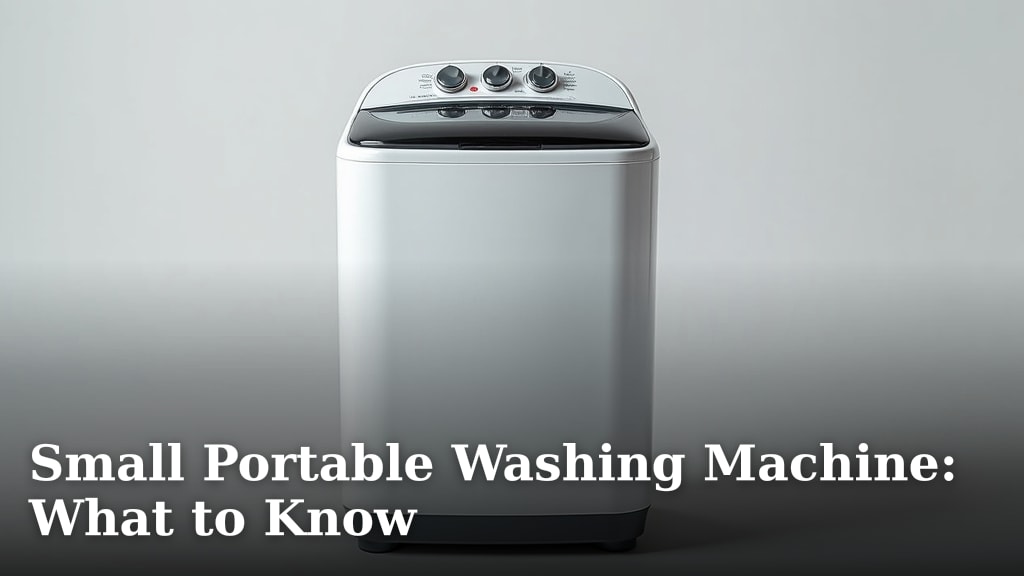
A small portable washing machine is a compact appliance designed for washing clothes in small spaces. They are great for apartments, RVs, dorm rooms, or anyone who needs to do laundry without a full-sized machine. Many models can wash and spin-dry small loads efficiently.
These machines offer a convenient solution for frequent small washes. You can avoid trips to the laundromat and save time. They come in various sizes and styles, from simple twin-tub models to more automated single-tub units. Finding the right portable washer depends on your specific needs and space.
- What it is: A compact washing machine for small spaces.
- Who it’s for: Apartment dwellers, campers, students.
- Benefits: Saves time, convenient, no laundromat needed.
- Consider: Size, capacity, and features.
Below, we’ll walk you through what you need to know about choosing and using a small portable washing machine.
Understanding Your Small Portable Washing Machine Options
So, you’re looking into a small portable washing machine? That’s smart! These little workhorses can make laundry day so much easier, especially if you don’t have hookups for a big machine. Let’s break down what makes them tick and what you should be looking for. We’ve found they are a fantastic solution for many people.
What Exactly Is a Portable Washer?
Think of it as a mini washing machine. It’s a self-contained unit that hooks up to a faucet for water and drains into a sink or tub. You don’t need permanent plumbing. Many are lightweight, so you can easily store them away when not in use. This makes them ideal for those tight on space.
Why Consider a Portable Washer?
The biggest perk is convenience. You can wash small loads whenever you need to. No more hauling heavy baskets to a laundromat or waiting for machines to be free. You’ll also find they can be quite energy-efficient for smaller loads. For folks in apartments, dorms, or RVs, they are practically a necessity. We found that regular small washes can prevent big laundry pile-ups.
Types of Small Portable Washing Machines
Not all portable washers are created equal. They range from very basic to surprisingly advanced. Understanding these differences will help you pick the right one for your needs. We’ve seen a big variety on the market.
The Classic Twin-Tub Models
These are perhaps the most common type you’ll see. A twin-tub has two separate compartments: one for washing and one for spinning clothes dry. You manually move wet clothes from the wash tub to the spin tub. They are generally simple to operate and often very affordable. Many users appreciate the control they have over the wash and spin cycles.
How Twin-Tubs Work
You fill the wash tub with water and detergent, add your clothes, and set the timer. After washing, you drain the water and move the clothes to the spin tub. The spin tub rotates very fast to remove excess water. You’ll still need to hang your clothes to dry completely. We found that this process is straightforward after the first use.
Single-Tub Automated Washers
These look and function more like a traditional washing machine, but in a compact size. They have one tub that both washes and spins. Many offer pre-set wash cycles and automatic draining. They are often easier to use than twin-tubs because there’s less manual intervention. You add clothes, detergent, and press start.
Features to Expect
Single-tub models might have different water temperature settings, multiple wash programs (like delicate, normal, heavy-duty), and sometimes even a delay start function. Some can connect directly to a faucet with a hose and have an automatic drain pump. They tend to be a bit pricier than twin-tubs but offer more automation.
Spinner-Only Models
Sometimes, you might find a standalone spin dryer. This isn’t a washing machine itself, but it’s a fantastic companion. If you have a small washing setup or are washing by hand, a spin dryer can remove a lot of water quickly. This significantly reduces drying time. We found these are especially useful in humid climates.
Key Features and Considerations When Buying
Choosing the right portable washer means looking beyond just its size. There are several factors to consider to ensure it fits your lifestyle and laundry needs. It’s like picking out any appliance; you want it to work well for you.
Capacity: How Much Can It Hold?
Capacity is usually measured in pounds or kilograms. A typical small portable washer might handle anywhere from 5 to 15 pounds of laundry. This is usually enough for a few outfits, a couple of towels, or a small set of bedding. Consider how much laundry you generate in a week. A 10-pound capacity might be enough for one person. For two people, you might want to look at 12-15 pounds. We found that it’s better to have a little extra capacity than not enough.
Size and Weight: Where Will It Go?
These machines are designed to be portable, but “portable” can mean different things. Check the dimensions carefully to make sure it will fit in your intended space, whether that’s a closet, under a counter, or on a balcony. Also, consider its weight if you plan to move it around frequently. Some are light enough to carry, while others are heavier and might need wheels. A smaller footprint is often key.
Water Inlet and Drainage
Most portable washers connect to a standard faucet with an adapter. Make sure the model you choose comes with the necessary hose and adapter, or that they are easily available. For drainage, most simply drain into a sink or bathtub. Some single-tub models have a small drain pump that can push water out, which can be handy if your sink is higher than the washer. We found that clear instructions on setup are always a good sign.
Wash Cycles and Features
What kind of clothes do you wash most often? If it’s mostly everyday items, a basic wash and spin cycle might be all you need. If you have delicate items or heavily soiled clothes, look for models with multiple cycle options. Some even offer temperature control or a soak function. Think about what features would truly simplify your laundry routine.
Noise Level
Portable washers can be noisy, especially during the spin cycle. If you live in close quarters or are sensitive to noise, check reviews for comments on sound levels. Some models are designed to be quieter than others. This is something many users prioritize, especially in apartments.
Durability and Build Quality
While these are generally less expensive than full-sized machines, you still want something that will last. Look for models made with sturdy materials. Stainless steel drums are often more durable than plastic ones. Reading customer reviews can give you a good idea of how well a particular model holds up over time.
Setting Up and Using Your Portable Washer
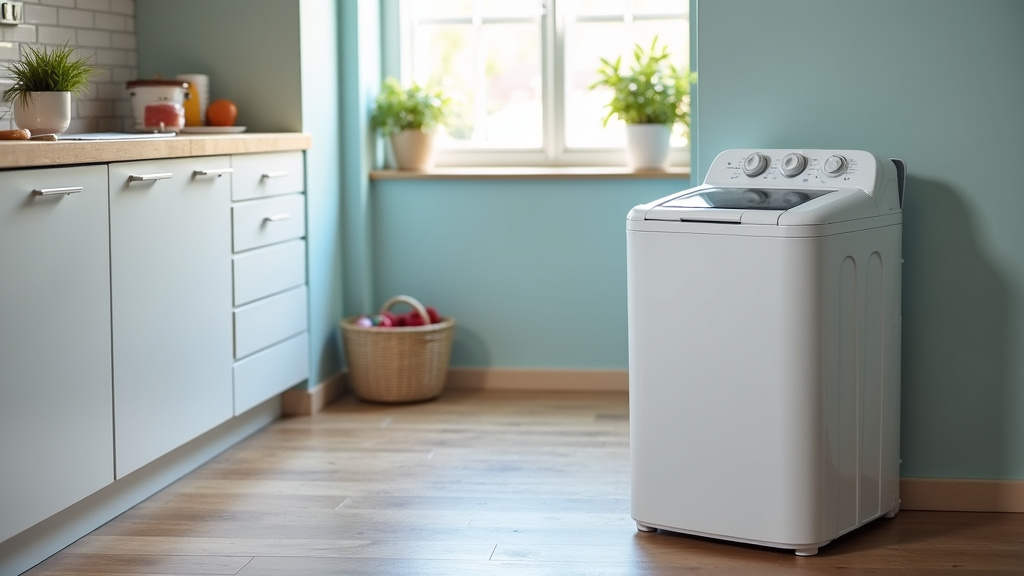
Once you have your portable washer, setting it up is usually pretty straightforward. The key is to follow the instructions carefully, especially regarding water connections and drainage. We found that most users get the hang of it quickly.
Connecting the Water
Most models come with a hose and an adapter that screws onto your faucet. Ensure a snug fit to prevent leaks. Some people use a universal faucet adapter for a more secure connection. Turn the water on slowly at first to check for drips. You can usually control the water level manually or through the machine’s settings.
Draining the Water
The drain hose usually rests in a sink or bathtub. For models without a pump, you might need to manually lift the machine or the hose to help drain all the water. If your washer has a pump, make sure the drain hose is positioned correctly to empty into your receptacle. Proper drainage is key to preventing mold and mildew.
Loading and Operating
Don’t overload the machine! This can prevent clothes from getting clean and can strain the motor. Distribute the weight evenly in the tub. Follow the detergent recommendations; using too much can lead to excessive suds. Always ensure the lid is securely closed before starting any cycle.
Maintenance for Longevity
After each use, wipe down the interior of the drum and the exterior of the machine. Leave the lid open to allow the interior to air dry completely. This prevents odors and mildew. Periodically check the hoses for any signs of wear or damage. Many manufacturers suggest running a cleaning cycle with vinegar or a dedicated washer cleaner every few months. This keeps your machine running smoothly.
A Quick Checklist for Choosing Your Portable Washer
Before you click “buy,” run through this quick checklist to make sure you’re getting the best fit for your needs:
- Capacity Needed: Will it handle your typical load size?
- Space Available: Does it fit where you plan to put it?
- Water/Drainage: Is the hookup simple for your setup?
- Features: Do the wash cycles match your laundry needs?
- Reviews: What do other users say about reliability and noise?
- Budget: Does it fit comfortably within your spending plan?
Conclusion
You’ve learned that a small portable washing machine offers real convenience for small spaces and light laundry needs. Whether you choose a simple twin-tub or a more automated single-tub, understanding capacity, size, and hookups is key. Taking care of your machine with regular cleaning and proper use will ensure it serves you well for a long time. Your next step is to measure your space, consider your typical laundry load, and compare models based on the features that matter most to your routine. You’ll soon be enjoying fresh, clean clothes without the hassle.
Frequently Asked Questions
Can a portable washing machine handle my whole week’s laundry?
Generally, portable washers are best for small, frequent loads. They typically handle 5-15 pounds of laundry at a time. For larger families or heavy laundry days, you might still need to supplement with a laundromat or a larger machine.
Do portable washing machines require special plumbing?
No, most portable washers do not require special plumbing. They usually connect to a standard faucet with an adapter and drain into a sink or bathtub. This makes them ideal for apartments and RVs where permanent hookups aren’t possible.
How long do small portable washing machines typically last?
With proper maintenance and care, many small portable washing machines can last several years. Regularly cleaning the drum, ensuring proper drainage, and avoiding overloading the machine will help extend its lifespan. With proper maintenance and care, many small portable washing machines can last several years.
Are portable washing machines noisy?
Noise levels can vary by model. While they can be louder than full-sized machines, especially during the spin cycle, many users find the noise acceptable for their living situation. Checking user reviews can give you a better idea of a specific model’s noise output.
What’s the difference between a twin-tub and a single-tub portable washer?
A twin-tub has separate compartments for washing and spinning, requiring you to move clothes manually. A single-tub model combines both functions in one drum and is often more automated, working more like a traditional washing machine.