Is a Portable Washing Machine Really Worth It?
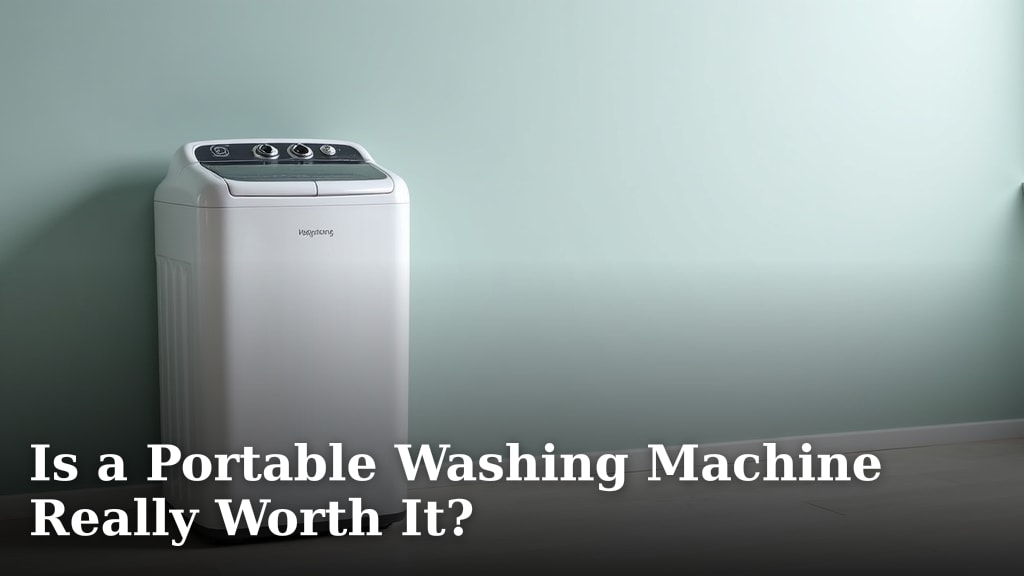
Yes, a portable washing machine is often worth it for people in apartments, dorms, or small homes without in-unit laundry. It can save you time and money by letting you wash clothes at home instead of going to a laundromat.
These machines are compact and convenient, perfect for tight spaces. We found that they handle light to medium loads well, making them a practical choice for singles or couples. However, they might not suit large families who need to wash bulky items often.
- Great for small spaces like apartments, RVs, or dorm rooms.
- Saves time and reduces trips to the laundromat.
- Ideal for light to medium loads, not large or heavily soiled laundry.
- Cost-effective long-term, but check the initial price and features.
- Requires access to a water hookup and outlet, so plan your setup.
Below, we’ll break down the key factors like cost, features, and user experiences to help you decide if a portable
Who Gets the Most Value from a Portable Washer?
So, is a portable washing machine right for you? The short answer is: yes, for the right person in the right situation. It’s not a magic solution for everyone, but for many, it’s a fantastic tool. It shines brightest when your living space has no hookups, you have a limited budget, or your laundry needs are light and regular.
Think about your last trip to the laundromat. Did you haul heavy bags? Wait for a machine? Spend money on detergent and quarters? Now imagine just wheeling a small washer over to your sink, tossing in a few shirts, and hitting a button. That’s the core appeal.
The Ideal Candidates: A Quick Profile
We found that users who report the highest satisfaction typically fall into a few common groups. Understanding if you fit one can save you time and money.
- Apartment Dwellers: Especially those in older buildings without in-unit laundry.
- College Students: Living in dorms with shared or distant laundry facilities.
- Couples or Singles: Who generate smaller, regular loads rather than weekly mountains of clothes.
- RV and Tiny Home Owners: Where every square inch of space and gallon of water counts.
- People with Limited Mobility: Who find frequent trips to a laundromat physically difficult.
Breaking Down the Cost: Is It a Smart Investment?
The big question for most shoppers is about money. Let’s do some simple math. A standard top-load washing machine can use up to 40 gallons of water per load. Most portable washers use about 10-15 gallons. Over a year, that water saving is real, especially if you pay for water (Environmental Protection Agency).
But the real comparison is against the laundromat. Let’s assume a laundromat visit costs $4 per wash and $4 per dry. If you do two loads a week, that’s $16 per week, or $832 per year. A good portable washer might cost $300-$600 upfront. It could pay for itself in under a year.
Upfront vs. Long-Term Costs
The initial price tag is just one piece. We also found ongoing costs to be minimal. They use significantly less detergent. Many users report needing just 1-2 tablespoons per load. Energy use is also low because they don’t have large, energy-hungry motors like full-size machines.
One important cost note: you may need to buy adapters. A typical model connects to your kitchen faucet. An adapter kit for a bathroom sink might be a small extra expense. Always check what’s included in the box.
Space and Setup: The Practical Realities
A portable washer is only “portable” with a little planning. You need a few things for a smooth operation. Most units require a standard electrical outlet and access to a water source, usually a sink faucet.
You’ll roll it over, connect a hose, and switch the faucet to the cold water setting. When done, you drain the machine into the sink. Yes, you have to stay nearby to manage the drain hose. It’s not as simple as pushing a button and walking away for an hour.
Capacity: How Many Clothes Can It Actually Hold?
This is a critical detail. Portable washers are not sized the same as full-size machines. A typical compact model might have a 1.6 to 2.0 cubic foot capacity. That’s enough for about 10-12 pounds of laundry. In real terms, that’s roughly:
- 4-5 pairs of jeans
- 6-7 t-shirts
- Several towels
Trying to stuff a king-size comforter in is a recipe for a damaged machine and wet, unwashed laundry. Know your load limits.
Performance: How Clean Do Your Clothes Get?
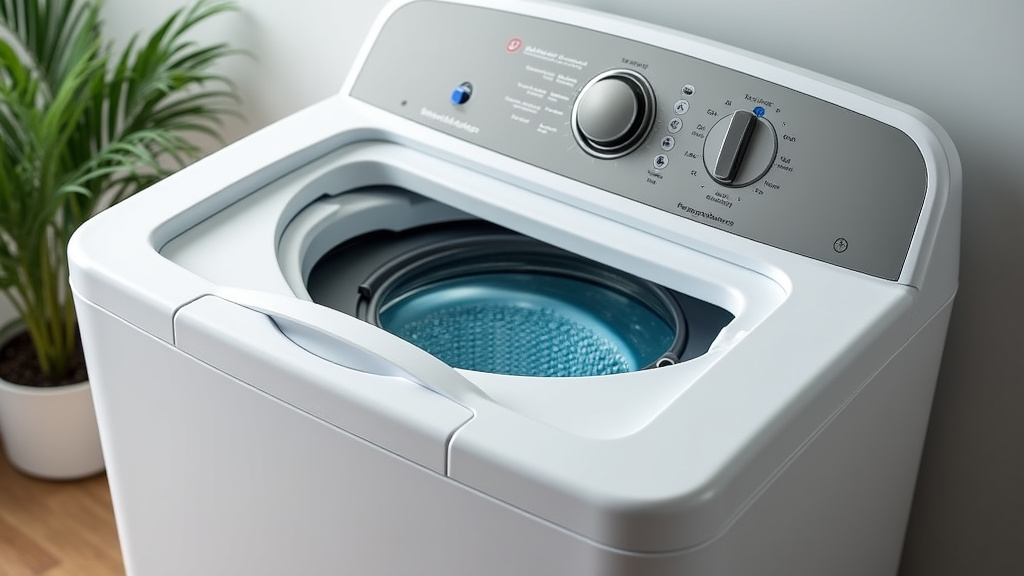
You might wonder if a small machine can really get clothes clean. For everyday items like shirts, pants, and underwear, it does a very good job. They use a rolling agitator or pulsator that cleans through friction and water flow. Most models offer multiple wash cycles, including gentle and quick wash.
Where they struggle is with heavily soiled items or bulky bedding. Think muddy sports uniforms or large comforters. For tough stains, you might need a pre-treatment. And remember, you’ll need a separate drying solution—either a drying rack or trips to a laundromat dryer.
Noise and Vibration
Some models can get quite loud and walk across the floor on a spin cycle. This is a common point in user reviews we analyzed. Placing the washer on a rubber mat or a piece of sturdy plywood can help absorb vibration and keep it in place. It’s a simple, inexpensive fix that makes a big difference.
Portability vs. Performance: The Trade-Offs
Let’s be honest. A portable washer is a compromise. You are trading capacity and brute-force cleaning power for ultimate convenience and space savings. It’s not meant to replace a full-size machine if you have the room and hookups for one.
Imagine it as a reliable sports sedan. It’s perfect for daily commuting and weekend errands (your regular laundry). But you wouldn’t use it to haul a sofa across the country (a pile of king-size bedding). Understanding this trade-off is key to happiness with your purchase.
Spin Cycle Efficiency: Will Clothes Come Out Damp?
The spin cycle is where many portable models vary. A faster spin extracts more water, meaning less time on the drying rack or in a dryer. Some budget models have a slower spin, leaving clothes very wet. We recommend looking for models that specify a high spin speed (RPM) if air-drying is part of your plan. This can cut drying time significantly.
Making the Decision: Your Portable Washer Checklist
Still on the fence? Walk through this quick checklist. If you check four or more of these boxes, a portable washer is likely a very smart buy for you.
- ☐ My home or room has no in-unit washer/dryer hookups.
- ☐ I currently spend over $30 per month at the laundromat.
- ☐ I do laundry for just 1-2 people most of the time.
- ☐ I have a kitchen sink or bathroom sink I can use for connection and draining.
- ☐ I am comfortable with a machine that holds about one week of my regular clothes.
- ☐ I have a plan for drying (air-dry rack, ceiling-mounted pulley, or access to a dryer).
Key Features to Look For When Shopping
If you’ve decided to buy, focus on these specific features. They separate the great models from the frustrating ones.
First, prioritize a stainless steel wash tub. It resists odors and mildew better than plastic. Next, look for multiple cycle options. A delicate cycle is essential for sweaters. Finally, check the drain hose length and make sure it will reach your sink comfortably.
Common Pitfalls to Avoid
Knowing what to avoid is as important as knowing what to buy. Don’t choose a model solely based on the lowest price. It might lack the crucial spin speed you need. Also, don’t forget to measure your space. Check the dimensions and ensure you have room to move the machine in and out for connection.
The Verdict: Value Weighed in Real Terms
We reviewed countless user experiences, and the pattern is clear. For the right person, a portable washing machine delivers outstanding value. It’s not about having a lesser appliance. It’s about having the right appliance for your specific life. It buys you back time, reduces weekly stress, and eliminates a recurring expense.
It won’t work for every household. But if you find yourself nodding along to the needs we’ve described, it’s more than worth it. It’s a simple upgrade that can make your daily routine a little easier and a lot more convenient.
| Scenario | Portable Washer Value | Consideration |
|---|---|---|
| Apartment with no hookups | Very High | It’s a primary laundry solution. |
| Laundromat regular (2+ loads/week) | High | Payback period can be under a year. |
| Family of four+ with bulky items | Low to Medium | Best as a supplement, not sole machine. |
| Need to wash delicates often | High | Gentle cycles protect expensive clothes. |
The decision comes down to your space, your habits, and your budget. By weighing these factors honestly, you can choose with confidence.
Conclusion
After weighing the evidence, a portable washing machine is absolutely worth it for the right person. It shines for apartment dwellers, students, and anyone tired of laundromat trips. The key is matching it to your needs. You must accept the trade-off: less capacity for greater convenience and lower long-term costs. It won’t replace a full-size machine for a large family. But for singles, couples, or as a supplemental unit, its value is clear. Your next step is simple. Revisit the checklist in this article. If you check four or more boxes, it’s time to start comparing models that fit your space and budget.
Frequently Asked Questions
How long does a portable washing machine typically last?
With proper care, most quality models can last between 5 to 8 years. The lifespan depends heavily on usage frequency and maintenance. Regularly cleaning the filter and ensuring proper water drainage will help maximize its years of service. See our guide to portable washer lifespan for tips on maximizing durability.
Can you hook up a portable washer to a bathroom sink?
Yes, you usually can, but it often requires a separate adapter kit. Most machines connect to a standard kitchen faucet. Check the product specifications and look for a universal adapter if you plan to use a bathroom sink or utility tub.
Do portable washers have dryers, or do you need a separate one?
Portable washers are wash-only machines. They do not have a built-in dryer. You will need an alternative drying plan, such as a drying rack, a ceiling-mounted pulley system, or occasionally using a laundromat dryer for bulkier items.
Are they very noisy during the spin cycle?
Yes, many models can be loud and vibrate during the high-speed spin cycle. We found that placing the washer on a rubber mat or a thick plywood base is an effective, low-cost way to absorb vibration and reduce noise for your home.
Is it safe to use them in an RV while traveling?
It can be, but you must ensure a stable power and water source at your campsite. Most users recommend securing the machine to prevent tipping. Always consult the manufacturer’s guidelines for use in recreational vehicles for safety details.