What Exactly Are Washing Machines Made Of?

What Goes Into Making a Washing Machine?
A modern washing machine is a clever mix of simple materials and smart electronics. It’s built to be **strong, water-resistant, and quiet**. You might be surprised to learn that many of its core parts have been used for decades. Manufacturers focus on durability and cost-effectiveness. Let’s look at the key components, from the outside shell to the hidden controls.
The Sturdy Outer Shell and Frame
The part you see and touch every day is designed to last. This outer casing serves two main jobs: it contains the machine’s movement and keeps you safe from moving parts.
The Cabinet and Drum
The outer **cabinet** is almost always made from painted **steel**. This sheet metal is folded and shaped for rigidity. It’s coated with a tough enamel or powder coat to resist scratches and rust. This protects the machine and looks neat in your laundry room.
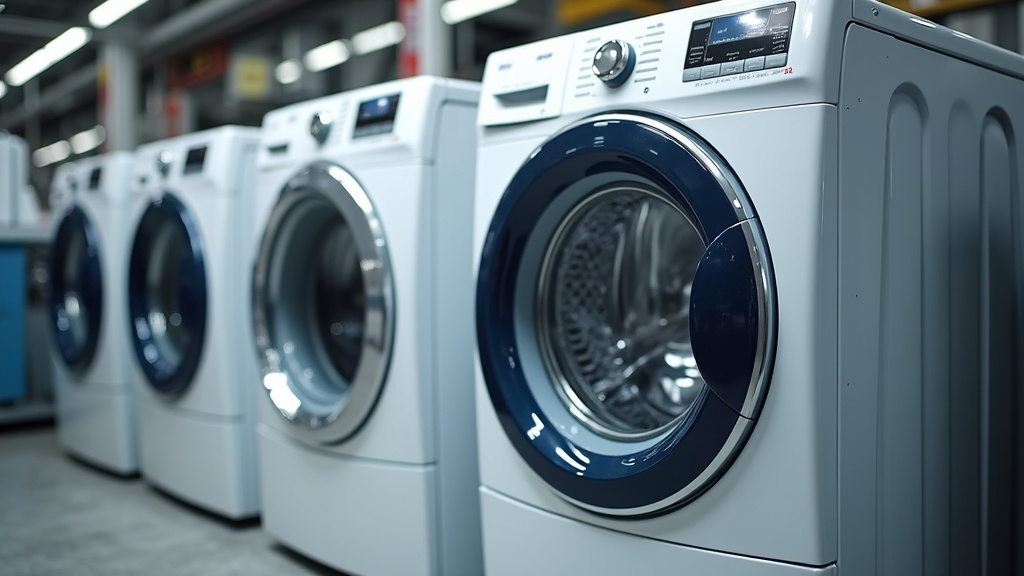
Inside, the drum that holds your clothes is also typically **stainless steel**. This is a crucial choice. Stainless steel resists **rust and odors**, even after years of use with detergent and hot water. Some budget models might use a coated steel, but stainless steel is the standard for quality. The drum is perforated with small holes to allow water to flow in and out.
The Solid Base and Legs
Beneath everything is a **base frame** or pedestal. This is usually made from heavy-gauge steel or a composite. It provides a solid foundation. Attached to this are adjustable **legs**. They help you level the machine on uneven floors, which is essential to reduce **vibration** and noise.
The Water-Handling Parts: Tub and Hoses
This is where the washing happens. These parts are constantly in contact with water and chemicals. They must be made from **waterproof and chemically resistant** materials.
The Inner and Outer Tubs
The system is actually two tubs. The **inner tub** is the perforated drum your clothes go in. As mentioned, it’s stainless steel. Surrounding it is the **outer tub**. This one doesn’t spin; it holds the water during the wash and rinse cycles. It is almost always molded from a high-strength **polypropylene plastic**. This plastic is tough, won’t corrode, and helps dampen noise.
The Hoses
Your washing machine has at least two hoses. The **fill hoses** bring hot and cold water in. These are often reinforced **rubber or PVC** with braided rayon or steel for strength. The **drain hose** expels used water. It’s a corrugated, flexible hose made of similar PVC material. **Tip:** Many manufacturers now recommend replacing fill hoses every 5 years to prevent leaks.
Internal Mechanical Parts
These are the components that make the drum spin and agitate. They endure a lot of stress. Strength and low friction are key here.
The Motor, Pulleys, and Belt
Most washers use a **drive motor**. It’s an electric motor, often an induction or a more efficient **brushless DC motor**. In many models, the motor connects to a **pulley** on the drum’s shaft using a **rubber drive belt**. This belt transfers the power. Some newer, high-end models use a **direct drive** motor. This attaches directly to the drum, eliminating the belt and pulley for potentially less noise and maintenance.
The Bearings and Suspension
For the drum to spin smoothly at high speeds, it rests on **sealed ball bearings**. These are made of hardened **steel**. They’re packed with lubricant and sealed to keep water out. To control the shaking during spin cycles, modern machines use a **suspension system**. This often includes **steel springs** and **dampers or shock absorbers**. The dampers use a piston and silicone fluid to cushion the movement. This system is why your washer doesn’t walk across the floor.
Seals, Gaskets, and Insulation
Keeping water in and noise down requires specialized, flexible parts.
The Door Seal
The most important seal is at the front opening. It’s a large, **flexible gasket** that forms a watertight seal between the spinning drum and the stationary front panel. This part is made from **EPDM rubber** or **silicone**. These materials remain flexible over time and resist mold growth. A worn or moldy seal is a common reason for leaks.
Sound-Dampening Material
To make machines quieter, manufacturers add **acoustic insulation**. This might be thick pads of **felt or fiberglass** attached to the cabinet. Some use a dense foam. This material absorbs vibration and muffles the sound of the motor and spinning drum. You might hear this called a **sound package** in product descriptions.
The Brain: Electronics and Controls
This is where the simple mechanics meet modern technology. The electronics manage every cycle.
The Control Board
At the heart of your washer’s controls is a **Printed Circuit Board (PCB)**. This is the “brain.” It’s a board made of fiberglass, covered with a maze of copper traces and tiny components like capacitors and microchips. It’s often housed in a protective plastic case. It receives your inputs and directs the motor, water valves, and heating element.
Sensors and Switches
Your washer is full of small, smart sensors. An **optical or magnetic sensor** might detect how fast the drum is spinning. A **pressure switch** uses an air tube to measure water level in the outer tub. A simple **thermistor** measures water temperature. These sensors feed data to the control board. This allows the machine to adjust cycles automatically. For example, it knows when the tub is full enough or if the load is balanced.
A Quick Material Comparison
It’s helpful to see the main materials side-by-side. Here’s a simplified breakdown of what you’ll find inside most common washing machines.
| Component | Primary Material | Why It’s Used |
|---|---|---|
| Outer Cabinet | Painted/Enamel-Coated Steel | Durability, rust resistance, looks |
| Inner Drum | Stainless Steel | Resists rust, odors, and staining |
| Outer Tub | Polypropylene Plastic | Waterproof, corrosion-resistant, dampens noise |
| Drive Belt | Reinforced Rubber | Flexible, strong, grips pulleys |
| Door Seal/Gasket | EPDM Rubber or Silicone | Flexible, watertight, mold-resistant |
| Hoses (Fill/Drain) | Reinforced PVC or Rubber | Flexible, strong, chemical-resistant |
| Motor & Bearings | Steel, Copper Wiring | Strength, conductivity, precision |
Why These Materials Matter for You
The material choices directly affect your **cleaning performance, noise level, and how long the machine lasts**. A stainless steel drum cleans better and stays fresher. Good suspension parts mean less shaking and a longer life for the machine. Quality seals prevent messy, damaging leaks.
We found that manufacturer specs often highlight these materials. For example, the U.S. Department of Energy notes that efficient motors and better insulation contribute to a washer’s overall energy savings. So, the materials aren’t just about strength; they’re also about saving you money on utility bills over time.
Checklist: What to Notice About Your Washer’s Build
Next time you’re shopping, or when you look at your own machine, keep these material checkpoints in mind. They are quick indicators of quality.
- Inner Drum Material: Is it **stainless steel** or coated? Stainless is the premium choice.
- Door Seal: Feel it. Is it thick, flexible **rubber or silicone**, or thin plastic?
- Hoses: Are the fill hoses **braided** for extra strength, or simple rubber?
- Warranty on Key Parts: Does the manufacturer offer a longer warranty on the **motor** or **drum**? This shows confidence in their materials.
- Noise Ratings: Look for the decibel (dB) rating. Lower numbers often mean better insulation and construction.
- Brand Reputation: Many experts say researching brand reliability is as important as checking specs. Some brands are known for using more robust components.
Understanding what’s inside your washer helps you make a better choice and care for it properly. It’s a tough appliance, but it’s made of parts that benefit from gentle use—like not overloading it and using the right detergent.
Conclusion
Now you know the key materials inside a washing machine, from the stainless steel drum to the polypropylene outer tub. Each part is chosen for a specific job, like resisting rust, dampening noise, or ensuring a watertight seal. This mix of materials directly impacts how well your washer cleans, how quiet it runs, and how long it lasts.
Your next step is simple. When you’re shopping for a new washer or inspecting your current one, use this knowledge. Check the inner drum material and feel the quality of the door seal. These are quick ways to gauge the machine’s build. Understanding what’s inside helps you choose a reliable machine and care for it properly.
Frequently Asked Questions
Why is the inner drum usually stainless steel?
Manufacturers use stainless steel for the inner drum because it’s highly resistant to rust, scratches, and stains from detergent. It doesn’t hold odors like some coated metals can, and it provides a smooth surface that’s gentle on clothes. This material choice is a key indicator of a durable, high-quality washer.
What is the outer tub made from, and why?
The outer tub, which holds the water, is almost always molded from a high-strength polypropylene plastic. This material is ideal because it’s completely waterproof, won’t corrode, and helps absorb vibration, making the machine run quieter. It’s a cost-effective and reliable choice for containing water.
Are the hoses included with my washer safe to use long-term?
The included fill hoses are typically reinforced rubber or PVC. While they are safe, we recommend replacing them every five years as a precaution against leaks. Upgrading to a braided stainless steel hose provides extra strength and peace of mind against bursting.
How does the material affect washer noise levels?
Materials play a big role in noise. A polypropylene outer tub dampens sound better than metal. Quality acoustic insulation (like felt pads) inside the cabinet absorbs motor and spin-cycle noise. Finally, a robust steel suspension system with springs and dampers prevents the machine from walking and thumping during the spin.
Why do some plastic parts feel flimsy?
Not all plastic is the same. Critical parts like the outer tub use engineering-grade polypropylene that is very tough. However, some control panels or non-structural covers may use lighter plastics to reduce cost and weight. Focus on the quality of the core components—like the drum, seals, and tub—for the best longevity.