How to Choose a Portable Washing Machine?
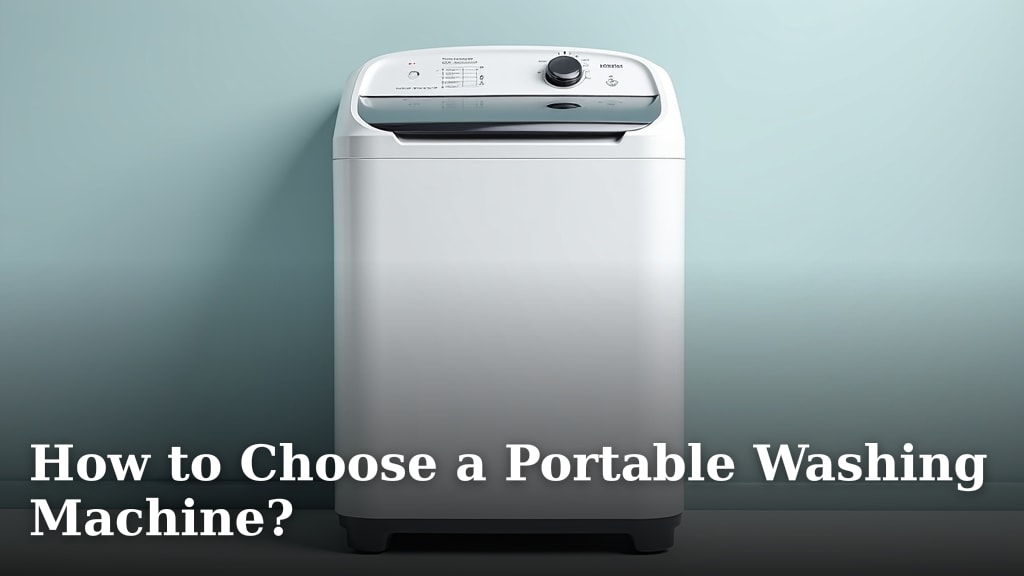
Choosing a portable washing machine is simpler when you know what to look for. You’ll want to consider the size, capacity, and energy efficiency that best fits your needs. Think about how much laundry you do and the space you have available. A good choice can make laundry day much less of a chore.
Portable washers are great for small living spaces. They can be used in apartments, RVs, or even dorm rooms. We found that many people appreciate the convenience they offer. They don’t require permanent plumbing, making them very flexible. Getting the right one means a little research upfront.
- Consider your laundry volume.
- Check the machine’s dimensions.
- Look at water and energy usage.
- Think about drain hose length.
- Read user reviews for reliability.
Let’s walk through the key features and considerations to help you pick the perfect portable washing machine for your home.
Selecting Your Ideal Portable Washing Machine
Choosing a portable washing machine can feel like a big decision, but it doesn’t have to be overwhelming. We’ve researched what matters most to shoppers. You’ll want to match the machine’s capabilities to your laundry habits and living space. Let’s break down the key features to help you find the perfect fit.
Understanding Portable Washer Types and Sizes
Portable washing machines come in a few main designs. You’ll typically see single tub models and twin tub models. Single tub units wash and spin in the same drum. Twin tub units have separate drums for washing and spinning. This design can sometimes speed up your laundry process.
Single Tub Washers: The All-in-One Solution
These are the most common type. You load your clothes, add water and detergent, and the machine does the rest. They often have pre-set cycles for different fabric types. Many have built-in spin cycles to remove excess water. They’re generally easier to use if you’re new to portable washers.
Twin Tub Washers: For More Control
With a twin tub, you can wash a load while another load is in the spin cycle. This can save you time. You have more manual control over each stage. This might appeal if you like to oversee the entire washing process. They can be a bit more hands-on to operate.
Considering Physical Dimensions
When you’re short on space, size is everything. Before you buy, measure your intended spot carefully. Think about closets, bathrooms, or even kitchen corners. Also, consider how you’ll move the machine. Portable doesn’t always mean lightweight. Some can weigh 30-50 pounds, which might be manageable for most.
You’ll want to ensure there’s enough clearance around the machine. This helps with ventilation and prevents it from overheating. Check the height too, especially if you plan to store it under a counter. Always compare the machine’s dimensions to your available space. This prevents costly returns.
Capacity: How Much Laundry Can It Handle?
Portable washer capacity is usually measured in pounds or kilograms. This tells you how much dry laundry the machine can hold. A common range is 1.0 to 3.0 cubic feet. Choosing the right capacity is vital. It prevents you from overloading the machine or doing too many small loads.
Matching Capacity to Your Needs
Are you usually washing just a few items, like socks and underwear? Or do you have larger items like towels and bedding? For singles or couples, a smaller capacity machine (around 1-2 cubic feet) might be perfect. If you have a family or wash bulky items often, you’ll need a larger capacity model.
We found that many users underestimate their laundry volume. It’s better to go slightly larger than you think you need. This allows for flexibility. Overloading a machine can lead to poor cleaning and strain on the motor. It’s a common mistake to avoid.
The Drain Hose Factor
How will the water drain from your portable washer? Most come with a flexible drain hose. You’ll need to position this hose so water can flow out. This could be into a sink, bathtub, or a larger bucket. Check the length of the included drain hose. Make sure it will reach your chosen drainage point comfortably.
Some models offer adjustable drain heights. This can be very helpful if you’re draining into a shallow sink. You don’t want the hose to be too high, as this can cause the pump to work harder or even backflow. A simple test is to simulate the drain height before purchase.
Water and Energy Efficiency Considerations
Even portable washers use water and electricity. Look for models that highlight their efficiency. Some machines are designed to use less water per load. Others might have lower energy consumption ratings. This can save you money on utility bills over time.
Water Usage Per Cycle
Unlike standard machines that connect to plumbing, portable washers often require you to manually fill them. This means you have direct control over water usage. However, some models have built-in sensors. These can help optimize water levels for the load size. Research models that mention water-saving features. This can be a big plus for your budget and the environment.
Energy Consumption Ratings
Check for Energy Star certifications if available. These indicate that a product meets strict energy efficiency guidelines set by the EPA. While not all portable washers are Energy Star rated, some will still list their estimated annual energy use. Compare these figures between models. A lower kilowatt-hour (kWh) rating suggests better energy efficiency.
Key Features to Enhance Convenience
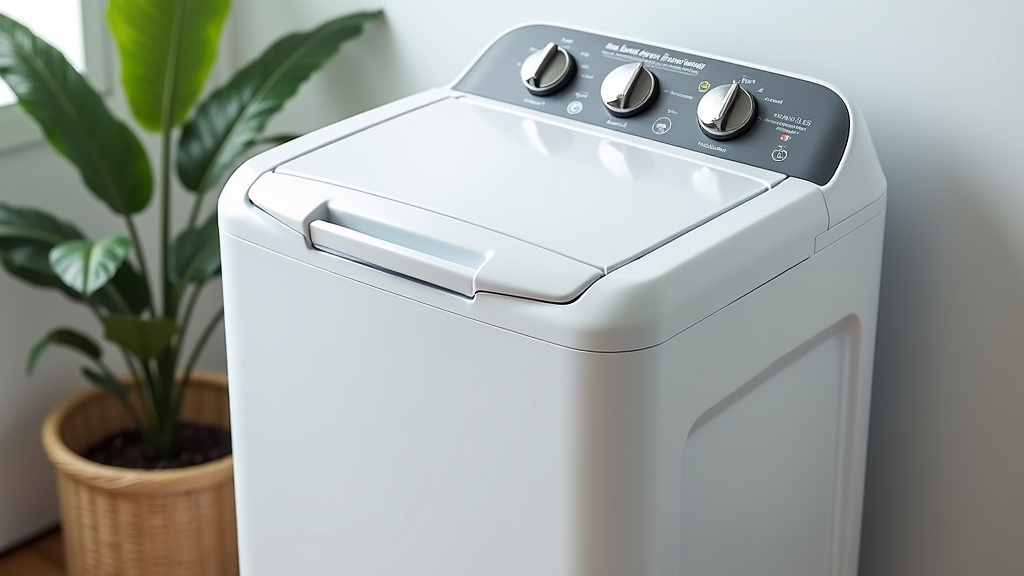
Beyond the basics, several features can make using your portable washer much easier. Think about what would simplify your laundry routine the most. Little details can make a big difference in your daily life.
Ease of Setup and Portability
Most portable washers are designed for straightforward setup. You usually just need an electrical outlet and a water source. Some models come with quick-connect hoses for faucets. Others might require you to fill the drum manually. Consider how easy it is to move the machine if you need to store it after use. Wheels or carrying handles can be very helpful.
Noise Level and Vibration
Living in close quarters means noise can be a major concern. We found that some portable washers can be quite loud during the spin cycle. Look for user reviews that specifically mention noise levels. Some manufacturers may also offer noise-reduction technology. Checking for vibration dampening features is also wise.
Built-in Water Heater vs. Manual Heating
Some advanced portable washers have built-in water heaters. This means you can wash clothes in hot water without needing to hook up to a hot water faucet. For models without this feature, you’ll need to fill the machine with warm or hot water yourself. This requires an extra step and potentially more effort. Decide if this convenience is worth the extra cost.
Durability and User Reviews
Before making your final choice, spend time reading user reviews. They offer real-world feedback on how well a machine performs over time. Look for patterns in comments regarding reliability, cleaning performance, and durability.
What Real Users Are Saying
Pay attention to reviews from people who have similar living situations. For example, if you’re in an apartment, look for reviews from other apartment dwellers. They can highlight issues you might encounter. A machine that consistently gets good reviews for durability is often a safer bet. Many experts suggest checking reviews from multiple retail sites.
Warranty and Customer Support
Check the warranty period offered by the manufacturer. A longer warranty can provide peace of mind. Also, consider the availability and reputation of their customer support. If a problem arises, you’ll want to know you can get help easily. This can prevent a small issue from becoming a major headache.
Quick Checklist for Your Portable Washer Purchase
Here’s a quick rundown of things to keep in mind:
- Laundry Volume: How much do you wash weekly?
- Space Available: Measure your spot carefully.
- Drainage: Where will water go? Is the hose long enough?
- Capacity: Choose a size that fits your load needs.
- Features: What extras add convenience for you?
- User Reviews: Check for real-world performance and reliability.
Conclusion
You’re now ready to choose your portable washing machine! We found that focusing on capacity and space is key for small living. Always consider how you’ll handle drainage and check user reviews for real-world performance. Matching the machine’s features to your laundry habits ensures it truly simplifies your life. Take a moment to measure your space and think about your typical load size. Your perfect portable washer is out there, waiting to make laundry day easier.
Frequently Asked Questions
How do I know if a portable washing machine is too small for my needs?
If you frequently find yourself doing multiple small loads back-to-back, your washer might be too small. Overloading can also lead to poor cleaning and damage the machine. We suggest opting for a slightly larger capacity if you’re unsure.
Can I use a portable washing machine without a dedicated drain hookup?
Yes, most portable washers use a flexible drain hose that you can place into a sink, bathtub, or even a large bucket. Just ensure your chosen drainage spot is lower than the machine’s drain outlet.
Are portable washing machines noisy?
Some portable washers can be noisy, especially during the spin cycle. We recommend checking user reviews for specific comments on noise levels. Some models are designed with vibration dampening features to reduce sound.
Do I need a special water connection for a portable washing machine?
No, portable washers are designed for flexibility. You can typically fill them manually with water from a faucet using a hose attachment or even by hand for smaller loads. Some models even offer quick-connect hoses for standard faucets.
How long does a portable washing machine typically last?
The lifespan can vary based on usage and build quality. We found that machines with good user reviews for durability and those with longer warranties tend to last longer. Regular maintenance and avoiding overloading will also help extend its life. The lifespan can vary based on usage and build quality; our guide to how long a portable washing machine lasts explains this.