Can a Twin Tub Portable Washer Rinse Clothes?

Yes, you absolutely can rinse clothes with a twin tub portable washer. The second tub on these handy machines is specifically designed for rinsing and spinning out water. It’s a straightforward process that many users find very effective for getting clothes clean without a full-sized machine. You’ll be able to give your laundry a good rinse after washing.
Many shoppers wonder about the rinsing capability of these compact washers. We found that twin tub washers offer a two-stage washing process. You wash your clothes in one tub and then move them to the second tub for rinsing. This setup provides a much cleaner result than just washing alone. It’s a smart design for smaller living spaces.
- Twin tub washers have a separate tub for rinsing.
- You move washed clothes to the rinse tub.
- This allows for a thorough rinse cycle.
- It’s a practical solution for small spaces.
Let’s walk through exactly how the rinsing function works with your twin tub portable washer step by step.
Rinsing Your Laundry with a Twin Tub Portable Washer
You might be wondering if a twin tub portable washer can truly get your clothes clean, especially when it comes to rinsing. The good news is, yes, it absolutely can! These machines are designed with a dual-tub system for a reason, and rinsing is a core part of that. You’ll find the process is quite effective for giving your garments a good clean.
The second tub on your twin tub washer is your dedicated **rinse and spin cycle** area. It’s not just an extra basin; it’s a functional component that works with the washing tub to complete the laundry process. Many users find this setup to be a practical and efficient way to handle laundry in smaller living spaces.
Understanding the Twin Tub Washing Process
Let’s break down how your twin tub washer tackles rinsing. Think of it like this: you wouldn’t just wash a dish and call it clean, right? You rinse it to get rid of soap residue. Your twin tub washer works on a similar principle.
The Two-Tub Advantage
The main appeal of a twin tub is its two distinct tubs. One tub is for washing, and the other is for rinsing and spinning. This separation is key to achieving cleaner clothes compared to a single-tub machine that might do both in sequence, potentially leaving soap behind.
How the Rinse Tub Works
After you’ve washed your load in the first tub, you’ll move the wet clothes over to the second tub. This second tub is where you’ll add fresh water for rinsing. It’s a simple transfer that ensures your clothes are thoroughly cleaned of detergent.
Adding Rinse Water
You’ll typically add clean water directly into the rinse tub. The amount of water depends on the size of your load and how much rinsing you prefer. Some users like to do a double rinse for extra assurance, especially with heavily soiled items or sensitive skin concerns.
The Spin Cycle for Drying
Once the clothes are in the rinse tub with fresh water, you can run a short rinse cycle. After the rinse, you’ll drain this water. Then, you can use the spin function in this same tub to remove excess water. This is a critical step that helps your clothes dry faster, much like a conventional washing machine.
Step-by-Step Rinsing Guide
Let’s walk through the actual process of rinsing clothes with your twin tub washer. It’s designed to be intuitive, so you’ll get the hang of it quickly.
1. Draining the Wash Water
Before you can rinse, you need to get rid of the soapy water from the wash tub. Most twin tub washers have a drain hose. You’ll either need to position this hose over a drain or into a bucket. Turn on the drain function for the wash tub. We found that ensuring the hose is securely placed is important to avoid spills.
2. Transferring Your Clothes
Once the wash tub is drained, carefully move your wet, soapy clothes into the rinse tub. You might want to use a laundry basket or a large bowl to make this transfer easier and to avoid dripping water everywhere. Handle the wet clothes gently to prevent stretching.
3. Adding Fresh Rinse Water
Now, add clean water to the rinse tub. Fill it enough to cover your clothes adequately. If you’re concerned about detergent residue, you might consider using cooler water for the rinse cycle, as some sources suggest it can help lift soap particles more effectively (NCBI).
4. Running the Rinse Cycle
Close the lid of the rinse tub and set the timer for the rinse cycle. This is usually a shorter cycle than the wash. It’s just long enough to agitate the clothes and loosen any remaining detergent. You’ll see the water start to agitate, similar to the wash cycle.
5. Draining the Rinse Water
After the rinse cycle is complete, it’s time to drain the soapy rinse water. Again, position your drain hose over a drain or into a bucket and activate the drain function for the rinse tub. You might choose to repeat this step if you prefer a very thorough rinse.
6. The Spin Cycle
With the rinse water drained, place your damp clothes into the spin basket within the rinse tub. Secure the spin basket. Close the lid and set the spin timer. The spin cycle will rapidly rotate the basket, forcing water out of your clothes through centrifugal force. This is how you get them ready for air drying.
Tips for Optimal Rinsing
To make sure you get the best results from your twin tub washer’s rinsing capabilities, here are a few handy tips we’ve gathered.
- Don’t Overload the Tubs: Overfilling can prevent proper agitation and rinsing. Keep loads manageable for both the wash and rinse cycles.
- Use the Right Amount of Detergent: Too much soap means more rinsing is needed. Always follow the detergent manufacturer’s guidelines. Many experts advise using less detergent than you might think for portable washers (Consumer Reports guidance).
- Consider Water Temperature: For most rinses, cool or lukewarm water is fine. Hot water might be good for certain types of fabrics or to help remove waxy residue, but it can also set some stains.
- Check for Soap Residue: After spinning, give your clothes a quick feel. If they still feel a bit stiff or slippery, an extra rinse might be beneficial.
- Clean Your Washer Regularly: Just like any appliance, a clean twin tub washer performs better. Wipe down the tubs and hoses periodically.
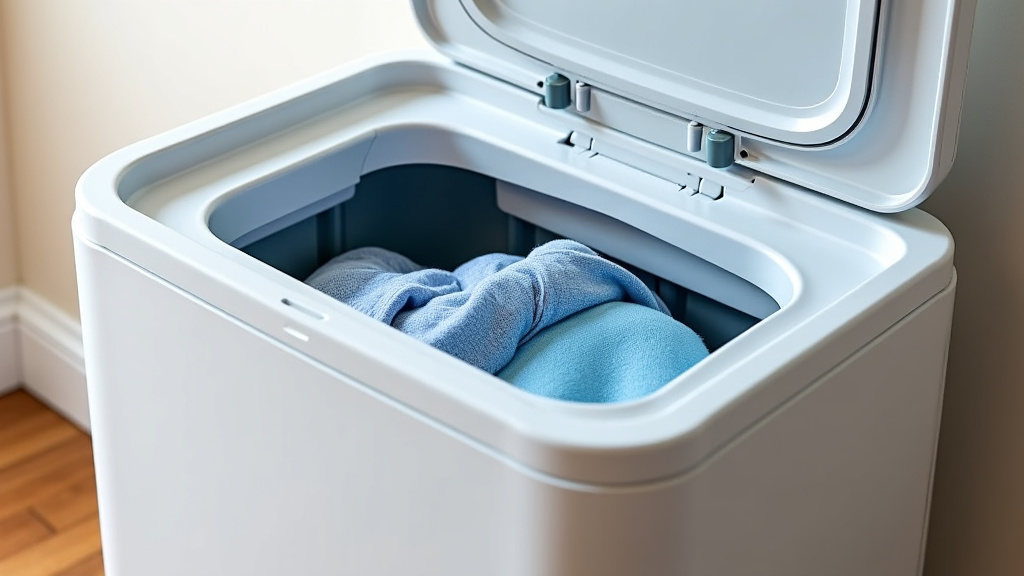
When to Consider an Extra Rinse
There are a few situations where you might want to add an extra rinse cycle to your routine. If you have particularly sensitive skin, ensuring all detergent is out is paramount. Many dermatologists recommend thorough rinsing to minimize potential skin irritation (American Academy of Dermatology).
Heavily soiled items, like work clothes caked with mud or grease, might also benefit from an additional rinse. This helps to ensure all the dirt and detergent are removed. If you notice any lingering suds or a stiff feel to the fabric after the initial rinse and spin, don’t hesitate to run through the rinse cycle one more time.
Rinsing vs. Full-Cycle Washers
So, how does this rinsing process stack up against a standard, full-sized washing machine? Twin tub washers offer a more hands-on approach. You are actively involved in moving clothes and managing water. This manual element gives you a lot of control over the rinsing process.
Full-sized washers automate the rinse cycle, typically filling the tub with clean water, agitating briefly, and draining. While convenient, this single rinse may not always be sufficient for everyone’s needs, especially if they use a generous amount of detergent. The twin tub’s separate rinse tub allows for potentially more thorough rinsing because you can see the water and decide if it needs another cycle.
Control Over Your Wash
With a twin tub, you have direct control. You can choose exactly how much water to use for rinsing and how long to rinse for. This level of customization is often not available with single-tub machines, which have preset cycles. This can be a real advantage if you have specific laundry needs or preferences.
Is it Worth It? The Verdict on Rinsing with a Twin Tub
Based on our research and understanding of how these machines work, a twin tub portable washer is definitely capable of rinsing clothes effectively. The second tub is purpose-built for this, and the two-stage process of washing and then rinsing provides a cleaner outcome than washing alone.
While it requires a bit more manual effort than a fully automated machine, the control you gain over the rinsing process is a significant benefit. For anyone looking for a compact laundry solution that still delivers clean, well-rinsed clothes, a twin tub washer is a practical and capable choice.
Here’s a quick checklist to help you remember the key steps:
- Drain wash water completely.
- Transfer clothes carefully to the rinse tub.
- Add fresh water for rinsing.
- Run the rinse cycle.
- Drain the rinse water.
- Use the spin cycle to remove excess water.
Conclusion
You can absolutely count on your twin tub portable washer to rinse clothes effectively. The separate rinse tub is designed for this exact purpose, offering a two-stage process that leads to cleaner laundry. While it involves more hands-on steps than a standard machine, you gain excellent control over how thoroughly your clothes are rinsed. This makes a twin tub a practical and capable choice for anyone needing a compact laundry solution that still delivers fresh, well-rinsed garments.
Ready to give it a try? Just follow the simple step-by-step guide whenever you do your next load!
Frequently Asked Questions
Can I rinse my clothes multiple times with a twin tub washer?
Yes, you can easily perform multiple rinses with a twin tub washer. After the first rinse cycle and draining, you simply add fresh water again and repeat the rinse process. This allows you to customize how thoroughly your clothes are rinsed, which is great for sensitive skin or heavily soiled items.
How much water should I use for rinsing in a twin tub washer?
You should add enough clean water to the rinse tub to adequately cover your clothes. The exact amount will depend on the size of your laundry load and your personal preference. Many users find that filling the tub until the clothes are submerged is a good starting point.
Does the spin cycle in the rinse tub help remove detergent?
The spin cycle primarily removes excess water from your clothes after rinsing. While it doesn’t directly remove detergent, it helps prepare your clothes for drying by getting them much less damp. Thorough rinsing in the water before spinning is what gets the detergent out.
What if I don’t have a drain nearby for the rinse water?
If you don’t have a nearby drain, you can use a large bucket or container to catch the rinse water. You’ll need to manually empty the bucket after each drain cycle. This method works well for many users who have limited plumbing access.
Are twin tub washers good for delicates that need extra rinsing?
Twin tub washers can be very good for delicates, especially if they require thorough rinsing. The separate rinse tub gives you direct control over the water and cycle length, allowing you to be gentle yet effective. You can ensure all detergent is removed without over-agitating the fabric.