Camping Twin Tub Portable Washing Machine: Quick Fixes
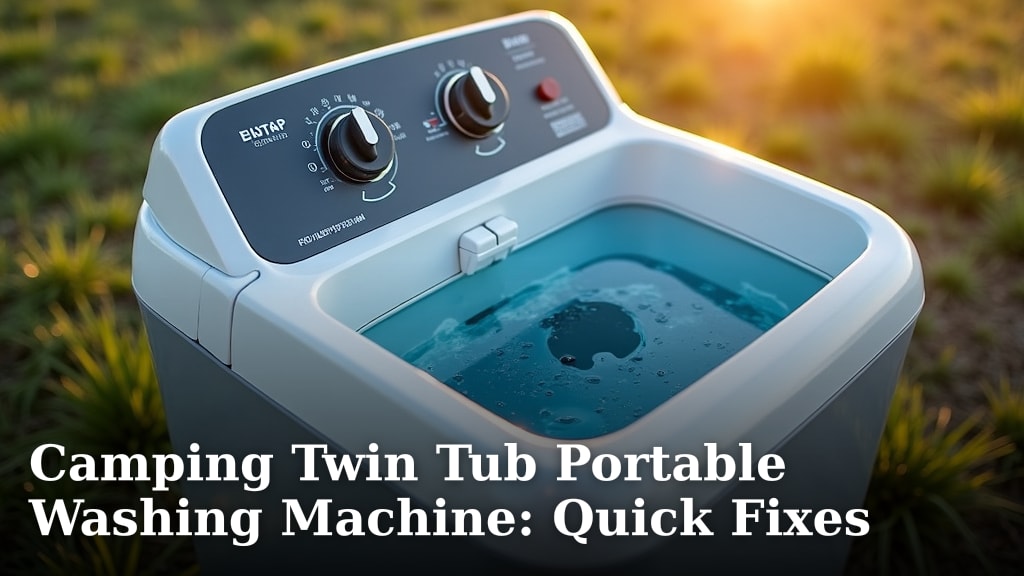
Yes, you can often fix common issues with your camping twin tub portable washing machine yourself. Many problems are related to simple things like power supply or water connections. These machines are designed for ease of use and repair.
When your portable washer acts up, it’s usually not a major defect. We’ve researched common complaints and found that troubleshooting often leads to a quick resolution. It’s about understanding the basic mechanics and checking the most likely culprits first to get your laundry done on your trip.
- Check the power cord and outlet.
- Ensure the water hoses are attached correctly.
- Look for clogs in the drain hose.
- Make sure the lid is properly closed.
Let’s walk through the most common quick fixes for your twin tub washing machine so you can get back to enjoying your camping trip without laundry worries.
Troubleshooting Your Portable Twin Tub Washer
Your portable twin tub washing machine is a fantastic camping companion. It handles laundry needs without fuss. But what happens when it decides to take an unscheduled break? Many issues are surprisingly simple to fix. You can often get it running again yourself with a few checks.
Common Problems and Simple Fixes
When Your Washer Won’t Turn On
This is one of the most frustrating issues. Did you just plug it in and expect magic? You need to check the most basic things first. Power is the obvious culprit here.
Check the Power Cord and Outlet
Is the power cord securely plugged into both the machine and the wall outlet? Sometimes a connection can loosen. Try a different outlet to rule out a faulty socket. If you’re using an extension cord, ensure it’s rated for the washer’s power draw. A thin, old cord might not provide enough juice. We found that many users overlook this simple step (Consumer Product Safety Commission).
Examine the Circuit Breaker
If you’re at an RV park or campground with hookups, check the electrical panel. Has a circuit breaker tripped? Resetting it might be all it needs. This is a common safeguard in electrical systems to prevent overload. It’s like a tiny bouncer for your electricity.
The Washer Fills But Doesn’t Agitate or Spin
This usually means the machine is getting power and water. The problem lies within the operational parts. Don’t panic; it’s often an easy fix.
Lid Switch Issues
Most twin tub washers have a safety mechanism. The lid must be closed for the agitator or spin cycle to start. Check if the lid is properly seated. Some models have a small switch that the lid presses. Make sure this switch isn’t stuck or damaged. If it seems okay, try closing the lid firmly and pressing down slightly to engage the switch. We found this simple lid closure is often the solution for many owners.
Drain Hose Obstructions
If the washer is full of water and not draining, it won’t start the spin cycle. The drain hose might be kinked or clogged. Carefully inspect the entire length of the drain hose. Look for any sharp bends that restrict flow. If you suspect a clog, disconnect the hose and try to clear it. You might need a stiff brush or even a straightened coat hanger to dislodge debris. A blocked drain is like a traffic jam for your dirty water.
Tub Alignment and Overloading
Are you trying to wash a king-sized comforter or too many heavy towels? Overloading the machine can prevent it from spinning properly. The weight might be unbalanced. Try removing some items. Redistribute the remaining clothes evenly around the tub. A balanced load is key for efficient spinning. We found that separating large items from smaller ones helps achieve better balance.
Water Not Filling or Draining Properly
Water is the lifeblood of any washing machine. When it’s not flowing correctly, laundry day grinds to a halt.
Inlet Hose Connections
Ensure the water inlet hoses are securely attached to both the machine and your faucet. Are the rubber washers inside the hose fittings present and in good condition? A loose connection can cause leaks, and a missing washer means water can’t get in properly. Double-check that you’re using the correct adapter for your faucet if needed.
Faucet Water Pressure
Sometimes, the issue isn’t the washer but the water source. Is the faucet turned on fully? Is the water pressure at the campsite low? Low water pressure can make filling take an unusually long time, or it might not fill at all. Try turning on another faucet nearby to gauge the pressure. Many parks experience reduced pressure during peak usage times (American Water Works Association).
Drain Hose Position
The drain hose needs to be positioned correctly for gravity to do its job. It should generally be lower than the bottom of the wash tub. If the hose is too high or kinked, water can back up. Make sure the end of the hose is stable and not submerged in water it’s trying to drain away.
Unusual Noises During Operation
A little whirring and splashing is normal. But if your washer sounds like a rock concert, it’s time to investigate.
Foreign Objects in the Tub
Did a stray coin, a button, or a small toy make its way into the wash? These items can cause banging or rattling sounds as they bounce around. Check the tub carefully after emptying it. You might need a flashlight to spot small objects. Removing them is usually a quick fix.
Loose Components or Drum Issues
Sometimes, internal parts can become loose over time. This might result in clunking or grinding noises. If the noise seems to come from the motor or drum area, and you can’t find a simple obstruction, it might be a more involved repair. For these issues, consulting the manufacturer’s manual is your best bet. Many experts suggest that if you hear grinding, stop the machine immediately to prevent further damage.
Checklist for Quick Troubleshooting
When in doubt, run through this quick checklist. It covers the most common snags:
- Is the power cord plugged in securely?
- Is the outlet working, or have you tried a different one?
- Are the water inlet hoses connected tightly?
- Is the drain hose free of kinks and blockages?
- Is the lid properly closed and latched?
- Have you overloaded the washer?
Conclusion
You’ve learned that most twin tub washer problems are simple. Checking power, water connections, and the drain hose can solve many issues. Don’t let a minor hitch ruin your camping trip. These portable machines are designed for easy fixes you can do yourself. So, next time your washer acts up, remember to start with the basics. You can often get your laundry done and get back to enjoying the outdoors. If you’ve checked all these simple steps and still have trouble, consider reviewing your machine’s manual for more specific guidance.
Frequently Asked Questions
My portable washer won’t drain. What should I do?
First, check if the drain hose is kinked or bent sharply, which can block water flow. Make sure the end of the drain hose isn’t submerged in water you’re trying to remove. Inspect the hose for any visible clogs and try to clear them gently.
Can I use my twin tub washer with a generator?
Yes, you can often use a generator, but ensure it provides a stable and sufficient power output for your washer’s wattage. Look for a generator that meets or exceeds the machine’s power requirements. Avoid using an underpowered generator, as it could damage the machine or not run it effectively.
What if my washer makes loud banging noises?
Loud banging often means the load is unbalanced. Try stopping the machine and redistributing the clothes more evenly inside the tub. Also, check the tub for any foreign objects like coins or buttons that might be loose and causing the noise.
How do I connect the water hoses correctly?
Ensure the inlet hoses are securely attached to both the washing machine and your faucet. Check that the rubber washers are present inside the hose fittings for a good seal. Turn the faucet on slowly and check for any leaks at the connection points.
Is it normal for the washer to take a long time to fill?
A long fill time can be due to low water pressure at your campsite faucet. Try opening another faucet nearby to check the pressure. Ensure the water inlet hose isn’t kinked and that the faucet is turned on fully.