Countertop Portable Washing Machine and Dryer: Tips and Basics
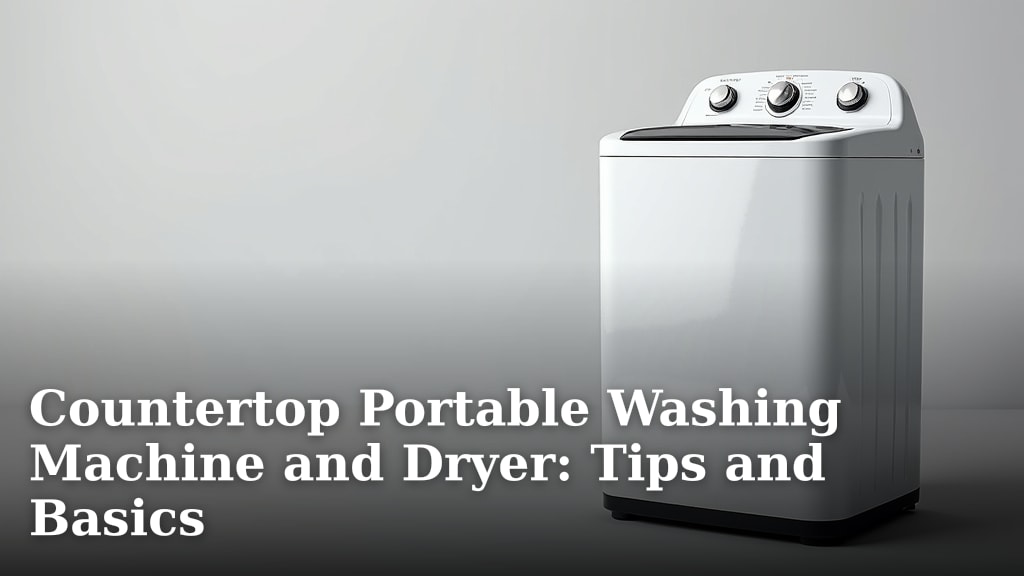
Yes, countertop portable washing machines and dryers are a great option for small living spaces. They can effectively wash and dry your clothes without needing a dedicated laundry room. You’ll find they offer a convenient way to handle laundry needs right in your kitchen or bathroom.
These compact units are designed for apartments, dorms, or RVs. They typically connect to a standard water faucet and drain into a sink. Many models are surprisingly efficient and can handle small loads of laundry with ease.
- Portable washers are ideal for small spaces.
- They connect to a sink and drain easily.
- Look for models with both wash and dry functions.
- Consider the load capacity before buying.
Let’s look at the basics and some helpful tips to make using your new countertop washer and dryer as smooth as possible. Our guide on how long portable washers last can help you understand the expected lifespan.
Getting Started with Your Compact Washer and Dryer
So, you’ve decided on a countertop portable washer and dryer. That’s a smart move for anyone living in a smaller space. These units can really simplify your laundry routine. They tuck away neatly and connect easily. Let’s go over the basics to get you started off right.
Understanding How They Work
These machines are designed for convenience. They typically connect to your kitchen or bathroom sink’s faucet. You’ll use an adapter for this. The drain hose usually hangs over the sink’s edge. This means you don’t need permanent plumbing. It’s like having a mini laundry room that fits on your counter.
Water Connection
Most models come with a universal adapter for your faucet. You just screw it on. Make sure your faucet type is compatible. Some require a specific aerator. Always check the manufacturer’s instructions. A good seal is important to prevent leaks.
Drainage System
The drain hose is usually quite flexible. It simply rests in your sink basin. As the machine finishes a cycle, water flows out. You’ll want to make sure the sink is clear. Avoid running the washer if the sink is full of dishes. This could cause a messy backup.
Key Features to Look For
When choosing your unit, several features stand out. Think about what matters most for your laundry needs. You don’t want to be surprised later.
Wash and Dry Combo vs. Separate Units
Many people prefer a two-in-one unit. These wash and dry clothes in the same drum. You load dirty clothes, and they come out clean and dry. Separate units mean you have one for washing and another for drying. Combo units are great for saving space. However, drying times can be longer than separate dryers. Also, the drying capacity is often smaller than the washing capacity.
Load Capacity
This is a really important factor. Countertop models are small. Their capacity is usually measured in pounds or cubic feet. A typical small unit might handle 5-10 pounds of laundry. This is good for a few outfits or a small load of towels. Larger families might need to do multiple small loads. Think about how much laundry you generate weekly. Don’t overestimate what these compact machines can handle.
Spin Speed
Spin speed, measured in revolutions per minute (RPM), affects how dry your clothes are after washing. Higher RPMs mean more water is extracted. This leads to shorter drying times. Look for units with at least 1000 RPM. This will help your clothes feel less damp coming out of the wash cycle.
Timer and Settings
Check the available wash cycles and temperature settings. Do they match the types of clothes you wash most often? Most units have basic cycles like “Normal,” “Delicate,” and “Quick Wash.” Some offer more advanced options. A clear, easy-to-use control panel is a big plus. You want to set it and forget it, mostly.
Making the Most of Your Portable Laundry Solution
Once you have your unit, using it efficiently is key. A little planning goes a long way. You’ll want to get the best results possible from your investment.
Loading Your Machine Properly
Don’t overload the machine. This is the most common mistake. Overloading can damage the unit. It also leads to clothes not getting clean. Leave some space in the drum. Clothes need room to tumble freely. For combo units, remember the drying capacity is often less than the washing capacity. You might need to remove some items before drying.
Detergent Use and Water Temperature
You’ll need to use a high-efficiency (HE) detergent. These are designed for machines that use less water. Using regular detergent can create too many suds. This can cause overflow and damage the machine. Follow the detergent manufacturer’s guidelines for amounts. For water temperature, cold water is often best for everyday loads. It saves energy and is gentler on fabrics. Hot water can be used for heavily soiled items or whites. Always check clothing care labels first.
Drying Your Clothes Effectively
If your unit has a drying function, be patient. These dryers are typically ventless. They work by condensing moisture. This process can take longer than a standard dryer. For best results, don’t overstuff the machine for drying. You might want to air dry delicates or items that shrink easily. Some people prefer to spin clothes at a high speed to remove excess water before drying. This can help reduce the drying time.
Maintenance and Care
Regular maintenance keeps your machine running smoothly. After each use, wipe down the interior drum and door seal. This prevents mold and mildew buildup. Leave the door slightly ajar between uses. This allows air to circulate. You should also periodically clean the lint filter, if your model has one. Check the manufacturer’s manual for specific cleaning instructions. Many suggest running a cleaning cycle with a bit of vinegar or a specialized cleaner every few months. This helps keep the machine fresh and functioning optimally.
Troubleshooting Common Issues
Sometimes, things don’t go as planned. Don’t panic; many common issues are easy to fix.
Not Draining Properly
This is often due to a kinked drain hose. Make sure it’s straight and not blocked. Also, check that the sink drain isn’t clogged. Sometimes, the pump filter needs cleaning. Refer to your manual for its location and how to clean it.
Excessive Vibration or Noise
Ensure the machine is on a level surface. Uneven flooring can cause a lot of shaking. Make sure the leveling feet are adjusted correctly. Check that the load is balanced. An unbalanced load can cause excessive vibration.
Error Codes
If your machine displays an error code, consult your user manual. The manual will explain what each code means. It will also provide steps to resolve the issue. Often, it’s a simple fix like a door not being closed properly.
Here’s a quick checklist to keep your portable laundry experience smooth:
- Always use HE detergent.
- Do not overload the machine for washing or drying.
- Ensure the unit is on a level surface.
- Check and clean the lint filter regularly.
- Wipe down the drum and seal after each use.
- Leave the door ajar between cycles for air circulation.
Conclusion
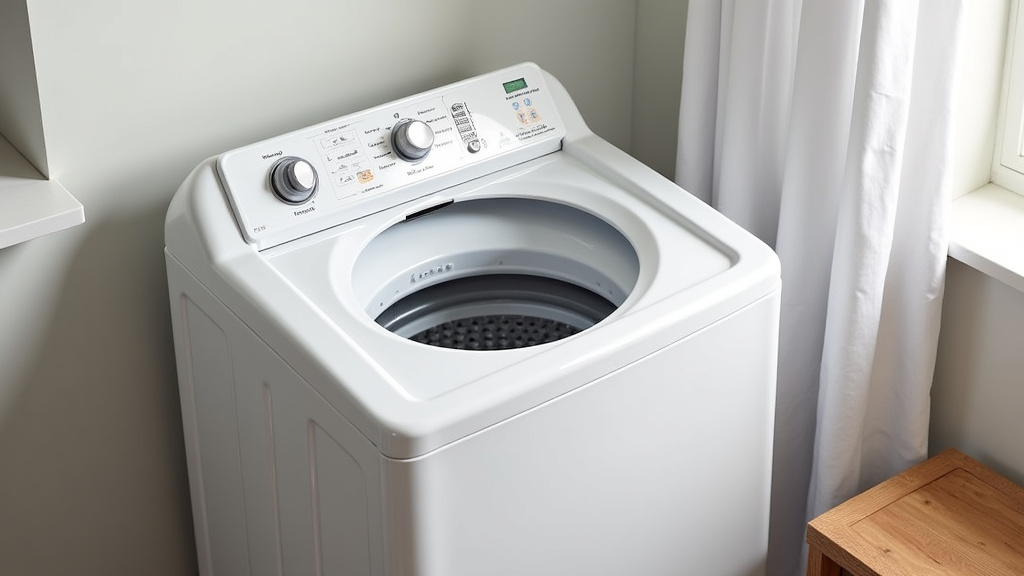
You’ve now got the basics covered for using your countertop portable washing machine and dryer. These compact helpers are a smart choice for small living spaces. You can achieve clean, dry clothes without a full laundry room. Remember to always use HE detergent and avoid overloading the machine. Proper maintenance will keep your unit running efficiently for a long time. Ready to get started? Your next step is to carefully review your chosen model’s manual and gather the recommended supplies.
Frequently Asked Questions
Can I use my portable washer and dryer in a small bathroom?
Yes, a small bathroom is often a perfect spot for a countertop portable washer and dryer. Just ensure you have access to a sink faucet for water connection and a sink basin for drainage. Make sure there’s enough space for the unit and for you to access it easily.
How much laundry can a countertop portable washer handle?
Countertop portable washers typically handle small loads, usually between 5 to 10 pounds. This is suitable for a few outfits, towels, or a small set of sheets. You might need to do multiple smaller loads for larger laundry needs.
Do I need special plumbing for these units?
No, you do not need special plumbing. These units are designed to connect to a standard sink faucet using an adapter. The drain hose simply hangs over the edge of your sink, making them ideal for renters or those without a dedicated laundry hookup.
How long does it take to dry clothes in a combo unit?
Drying times in combo units can be longer than with a standard dryer. Because they are ventless and use condensation, a single load might take 1 to 2 hours or more to dry completely. Drying capacity is also usually less than the washing capacity, so you may need to remove some items before drying.
How do I prevent mold and mildew in my portable washer?
To prevent mold and mildew, wipe down the drum and door seal after each use. Always leave the door slightly ajar between washes to allow air circulation. Periodically running a cleaning cycle with vinegar or a specialized cleaner also helps keep the machine fresh.